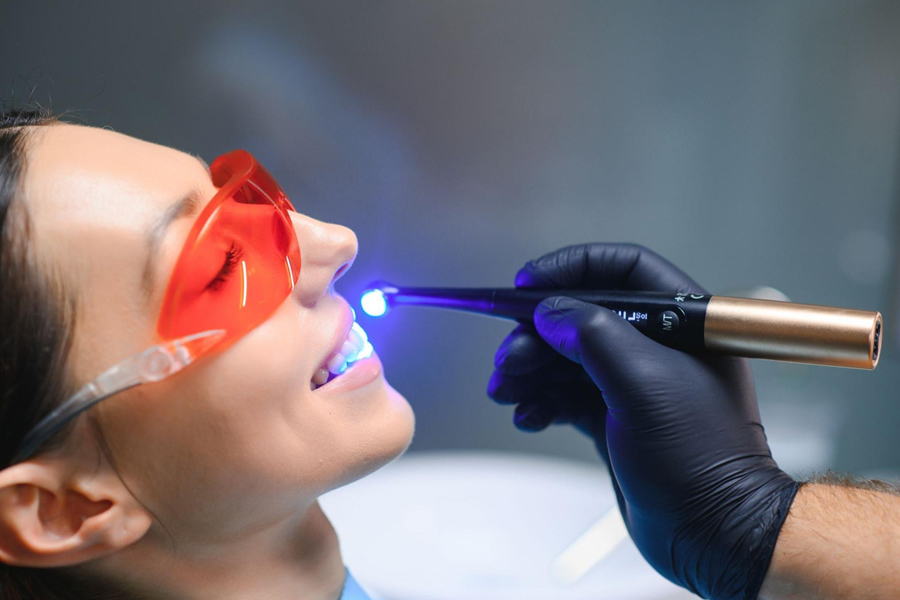
From Snapshots to Insight: Imaging That Drives Dialogue
Digital imaging has progressed from basic images to complex mouth maps that inform shared judgments. Patients may tour their teeth in real time with high-resolution intraoral cameras, making abstract diagnosis accessible. Selective cone beam imaging shows bone shapes, nerve routes, and sinus borders for confident treatment planning. New artificial intelligence techniques detect decay and gum change on displays, offering a second set of eyes that never tired. The chat is not a lecture. Patients recognize trends, ask better questions, and prioritize.
Early Warnings, Gentle Interventions
The most powerful dentistry often looks the least dramatic. Risk assessments combine diet, saliva quality, home care habits, and past history to predict where problems might start. When risk is clear, conservative solutions follow. Fluoride varnishes and remineralizing gels harden weakened enamel before a drill ever appears. Resin infiltration can halt early lesions between teeth that might have progressed in the past. Micro air abrasion smooths rough spots with a whisper instead of a whine. For gum disease, ultrasonic instrumentation and targeted antimicrobial care calm inflammation while protecting healthy tissue. Caught early, small issues remain small.
A Lifetime Plan for Every Smile
Seasonal mouth changes require seasonal care. Soft introductions, sealants, and coaching make brushing a daily habit for kids. From managing sports guards and braces to coaching around sugary drinks and screen time, teens notice shifting priorities. Night guards, brief appointments, and smart reminders help adults manage stress, grinding, and busy schedules. Dry mouth, root sensitivity, medication interactions, and enamel and implant protection should be addressed to older persons. Each patient’s scans, periodontal trends, and restorative history are combined for tailored, efficient, and realistic planning.
Science of Comfort
Clinical outcomes include comfort. Before an operation, calm surroundings, gentle lighting, and quiet handpieces decrease sensory overload. Precision is used with topical anesthetics. Buffers and heat help reduce the first seconds of numbness from local anesthetics. Patients feel less sting and more control with computer-assisted delivery. Sedation is tailored and monitored for people who need it. Communication is treatment. Clear explanations, pauses, and consent checks reduce fear and build trust.
Beyond Aesthetics: Restorations That Respect Biology
Modern cosmetics prioritize biology. Biomimetic principles conserve as much original tooth as feasible while restoring strength, sealing microorganisms, and distributing chewing forces like enamel and dentin. The crown and cap reflex is commonly replaced by adhesive onlays and partial coverage restorations. When properly selected and bonded, lithium disilicate and zirconia are beautiful and durable. Shade mapping and texturing mimic tooth depth and translucency to blend in. Beautiful smiles should be healthy bites. Avoid cracks, headaches, and premature wear by paying attention to occlusion, jaw joints, and muscle balance.
Digital Workflow and Same Day Precision
Scanners have replaced putty imprints in many visits. A fast sweep gathers millions of data points, then software creates a design-guiding 3D model. Virtual wax-ups help patients preview alterations, tweak shapes, and approve specifics before permanent. Restorations are often milled or 3D printed on site and bonded in one day. Digital implant planning integrates bone and prosthesis goals. Surgical guides position fixtures at the proper angle and depth for long-term stability and aesthetics. Photography and shade calibration finish new work so it looks like it belongs.
Teledentistry and At Home Tech
Care extends beyond dentistry. Secure video visits address urgent queries, triage concerns, and prevent weekend crises from small irritations. Photos and scans can supplement orthodontic progress checkups, saving travel and ensuring monitoring. Smart brushes and apps quantify daily routines. Plaque maps, trend lines, and coaching nudges motivate and measure home care. Nothing substitutes hands-on care, but it makes the time between visits wiser and more effective.
Oral Health and Whole Body Signals
Mouths are busy bodily intersections. Systems that affect millions are affected by gum inflammation. Oral inflammation affects blood sugar, cardiovascular strain, and pregnancy outcomes. South Loop Chicago Dentist who notice airway symptoms, enamel degradation, or morning jaw weariness may screen for sleep-related breathing difficulties. Physicians, pharmacists, and sleep specialists coordinate care to identify hazards sooner and support safer, more comprehensive strategies. Healthy mouths frequently lead to healthy bodies.
Privacy, Safety, and Sustainability
Technology only gains trust by protecting patients. Encryption, access limits, and data retention regulations protect personal data. Digital sensors and imaging methods minimize radiation dosages. No compromises are made on sterilization and waterline. Digital forms, reusable barriers, and recycling reduce waste. A greener clinic is gentler on the environment and cleaner for patients.
Empowered Patients, Stronger Communities
Education works best when simple and applicable. Patients can budget without surprises using visual assistance, bite-sized instruction, and honest timetables. Nutrition advice, tobacco cessation help, and dry mouth strategies address real-life oral health issues. Language access and flexible scheduling aid families who might delay care. Community initiatives that provide screenings and preventative services in schools, workplaces, and senior centers detect issues earlier and foster a prevention culture that lasts.
FAQ
What makes digital imaging different from traditional X rays?
Digital systems capture detailed images with efficient doses and display them instantly on screen. This speed and clarity helps clinicians explain findings and track subtle changes over time. It also eliminates film chemicals and reduces storage clutter.
Are minimally invasive treatments as durable as traditional fillings or crowns?
When case selection is sound and adhesive protocols are followed carefully, conservative restorations perform very well. Preserving healthy tooth structure often improves longevity because the tooth flexes and distributes forces more naturally.
How do dentists decide if I need sedation?
Sedation decisions consider medical history, procedure complexity, past experiences, and anxiety levels. Options range from nitrous oxide to oral medication. The goal is safety and comfort, not oversedation, and monitoring is standard throughout.
Can teledentistry replace in person visits?
It complements them. Remote visits are excellent for triage, education, follow ups, and orthodontic check ins. Cleanings, restorative work, and comprehensive exams still require hands on care.
Do cosmetic treatments harm teeth?
When planned with a conservative philosophy, cosmetic care can be protective. Modern materials and bonding allow minimal reduction and strong seals that support both esthetics and function.
How does my dentist coordinate with my physician?
Dentists communicate findings that could affect systemic health, such as persistent gum inflammation or signs of sleep disordered breathing. With consent, they share reports, collaborate on medication plans, and time procedures around medical treatments.
Are same day crowns as accurate as lab made ones?
In many cases, yes. Digital scans and in house milling produce precise results. Complex esthetic cases may still benefit from master lab artisans. The choice depends on the tooth, bite, and cosmetic goals.
What can I do at home to prevent gum disease?
Brush twice daily with a soft brush, clean between teeth with floss or interdental brushes, and use targeted rinses if recommended. Focus on technique and consistency. Routine professional cleanings complete the plan and catch changes early.
Is laser dentistry safe?
When used by trained clinicians and in appropriate cases, dental lasers can reduce bacterial load, assist with soft tissue shaping, and minimize bleeding. They are tools, not magic wands, and are integrated into broader treatment protocols.
How do practices protect my data?
Clinics use encrypted software, unique user credentials, regular backups, and strict policies for sharing information. Staff training and periodic audits reinforce privacy standards so records remain secure.