What Slow Drains Reveal About Your House
A slow drain is a dashboard light, not a nuisance. Water that lingers in a basin is reporting friction somewhere in the system, observes Schambs Property Management, a trusted provider of property management Wake County NC. That friction might be biofilm binding to the pipe wall, a partial obstruction from hair or grease, a venting problem that starves the line of air, or a sag in the pipe where debris settles.
Household criminals hide in plain sight. Stoppers catch hair. P traps capture soap-lint paste. Fibres in garbage disposals spin rather than flush. Scale can capture particles on cast iron pipework. A full septic tank or clogged effluent filter can inhibit every fixture in your home.
Outside, topography can cause problems. Sludge gathers in a sewer belly. Tree roots discover joints and microscopic spaces. Leaves or nests blocking roof vents limit drain airflow. In older communities, a surcharging municipal main can impact your house line under heavy use.
A single slow fixture is a whisper. Several slow fixtures are a chorus. When multiple drains stall, the main line or septic system is asking for attention.
Hidden Consequences Beyond the Sink
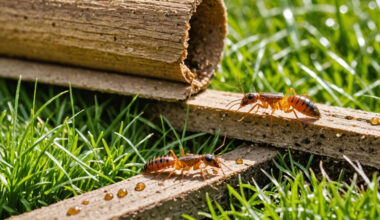
Still water is a magnet. It draws insects like drain flies. It invites rodents to follow the scent of food waste. It feeds mold that starts as a shadow and becomes a colony behind baseboards and under subfloors. Repeated dampness can loosen tile, delaminate plywood, and swell door jambs.
Sewage gases can corrode metal over time, especially with cast iron and brass. Floors exposed to wastewater can lose structural strength. If overflow reaches outlets or power strips, you have an electrical hazard. Low level overflows that travel under walls may seep into insulation and stay there, quietly raising humidity for weeks.
The longer water and waste linger, the wider the circle of damage grows. The problem is not just a drain. It becomes air quality, pests, finishes, and structure.
DIY Triage That Actually Helps
Tackle diagnostics like a pro, one step at a time.
- Isolate the issue. Run cold water in each sink. Flush each toilet. Note which fixtures are slow and which floor they are on. If two or more fixtures on the same branch are struggling, the obstruction is downstream of where they meet.
- Open and clean what you can reach. Pull sink stoppers and shower strainers. Remove hair with a plastic pull tool. Clean the P trap on accessible sinks by placing a bucket beneath and loosening the slip joints.
- Use the right plunger and technique. A cup plunger for sinks and a flange plunger for toilets. Seal the overflow on sinks with a wet rag to increase force.
- Try a wet dry vacuum. Set it to wet, cover the vent ports, seal the hose to the drain with a towel, and pulse to pull debris.
- Flush the disposal properly. With the water running cold, grind a few ice cubes and a small handful of coarse salt, then rinse with hot water. Avoid fibrous peels or stringy scraps.
- Skip harsh chemicals. Caustic openers can damage pipes and traps, and they leave dangerous residue for anyone who later opens the line.
- Look up, not just down. If several fixtures gurgle, check the roof vent for debris. Clear it only if you can do so safely from the ground or with proper fall protection.
- Pause water heavy appliances. Hold off on laundry or dishwashing until drains are moving freely. These appliances can flood a slow system in minutes.
If symptoms return quickly or involve multiple fixtures, do not keep repeating DIY attempts. Recurring resistance is a sign that the obstruction sits beyond easy reach or that the line has a structural defect.
How Pros Diagnose Without Guesswork
A systematic inspection saves time and money.
- Camera inspection maps the interior of your line in real time. Technicians can identify roots, scale, offset joints, bellies, and breaks, then mark the exact spot at the surface.
- Locators and sondes help find buried lines, so digging is targeted rather than exploratory.
- Smoke testing reveals hidden vent failures. If smoke emerges inside the house, there is a break in the vent or a dry trap.
- Hydro jetting scours the pipe with high pressure water, clearing grease, roots, and scale where a cable only pokes a hole.
- Descaling tools grind away mineral buildup in old cast iron, restoring diameter and improving flow.
- Trenchless repairs like spot liners and pipe bursting address isolated defects without excavating the entire yard.
- Septic service includes pumping the tank, cleaning the effluent filter, inspecting baffles, and evaluating the drainfield’s absorption.
Pros also look at the system as a whole. They may recommend installing a two way cleanout for future access or a backwater valve in areas prone to municipal backups.
Septic Specific Warning Signs
Homes on septic behave differently when drains begin to lag. Watch for these patterns.
- Grass over the tank or field turns unusually green and thick. That means nutrients are rising too close to the surface.
- The yard smells like sewage after laundry day. High discharge volumes can overwhelm a tired drainfield.
- Drains burp when large volumes of water enter the system. That can point to a clogged effluent filter or a saturated field.
- Toilets on the lowest level are the first to slow or bubble. Gravity finds the weakest point first.
Tank size, household size, and behaviors determine pumping intervals. A small tank with a large family may need biannual service. A couple’s huge tank may last longer. Regular guests, garbage disposal, and home offices increase load. If you forget the last pump date, get it checked before symptoms worsen.
Costs and Smart Budget Moves
Budgets prefer predictability. Drain problems do not. Build a plan anyway.
- Service call and basic cabling can range from a modest visit fee to a few hundred dollars, depending on access and severity.
- Camera inspections often add a few hundred dollars but prevent blind digging and repeat clogs.
- Hydro jetting commonly costs more than cabling but can restore capacity in a single visit and reduce repeat service.
- Spot sewer repairs run from the low thousands for a short excavation to much more for long runs or deep lines. Full replacements can rise significantly with concrete cutting, trees, or traffic rated areas.
- Septic pumping is generally a few hundred dollars, while drainfield replacement can reach five figures.
Document all symptoms, services, and recommendations to keep ahead. Request camera inspection videos. Not have a cleanout? Install one. If allowed, install a backwater valve and check local rebates. Maintain an emergency reserve for water events and check your policy for backup and service line coverage.
Prevention Playbook by Season
- Spring. Clean gutters and downspouts so roof runoff stays out of the sewer. Confirm that grading slopes away from the foundation. Mark sewer line paths before planting new trees.
- Summer. Treat root intrusion proactively with a root control product appropriate for your system. Space out heavy water uses on hot days when evaporation is high and soils can be dry and compacted.
- Fall. Install gutter guards where leaves are heavy. Check roof vents for debris before winter storms. Clear yard drains so stormwater does not push toward foundation penetrations.
- Winter. Insulate vulnerable crawl space plumbing. In very cold climates, watch for frost closure of vent stacks that can starve drains of air. After big holiday meals, wipe and bin grease, then wash dishes with plenty of hot water.
Small habits matter year round. Strainers in showers, a trash can next to every toilet, and a firm no wipes rule protect your pipes more than any tool.
When Landscaping Trips Your Drains
Your yard can make or break your drainage. Certain tree species aggressively seek water and should be planted well away from sewer lines. Use root barriers where space is tight. Avoid driving or placing heavy planters over the sewer path, which can cause soil settlement and line deformation.
Do not tie French drains or downspouts into sanitary lines. That practice overloads the system and violates codes. Keep irrigation thoughtful. Overwatering near the house raises soil moisture and can push groundwater toward the foundation and penetrations.
Retaining walls and new patios change how water moves. Before major hardscaping, locate and map your sewer and septic components. A few paint marks now can prevent thousands in corrections later.
Insurance and Documentation Tips
Take photos of slow drains and overflows. Keep inspection invoices and videos. Keep permits and photos after installing a backwater valve or cleanout. A few insurers give mitigation discounts. Backwater valve and lateral replacement cost-sharing programs may exist in municipalities. When timing and cause matter, clear records assist you advocate.
FAQ
Why do slow drains seem worse after a rain?
Heavy rain can raise groundwater, which adds resistance around buried lines. In some areas, municipal mains get overwhelmed and push back on house laterals. If roof leaders or yard drains are misconnected to the sanitary line, rainwater may also be overloading your system.
Is it OK to use bleach or chemical drain openers?
Avoid them. Caustic chemicals can damage older piping, warp plastic traps, and create a hazardous situation for anyone who opens the line later. Mechanical removal, hot water, enzyme based maintenance, and professional cleaning are safer and more effective.
How often should a septic tank be pumped?
It depends on tank size and household load. Many homes fall between two and five years. If you use a garbage disposal, host frequent guests, or have a small tank, shorten the interval. Schedule an inspection if you are unsure, and clean the effluent filter when pumping.
Can a clogged roof vent really slow my sink?
Yes. Drains need air to flow smoothly. A blocked vent creates negative pressure that competes with water flow, which can cause gurgling and slow drainage. Clearing the vent restores the air path that the system needs.
What is the difference between snaking and hydro jetting?
Snaking uses a cable to punch through a clog. It restores flow but may leave residue on pipe walls. Hydro jetting uses high pressure water to scour the entire diameter of the pipe, removing grease, scale, and roots more thoroughly.
Do backwater valves stop all sewage backups?
They reduce risk from surcharges in the main sewer by closing when flow reverses. They do not fix clogs inside your house line, and they require periodic inspection and cleaning to stay reliable.
My drain is slow only on weekends. What gives?
Patterns often reveal causes. Weekends may bring higher usage, more cooking grease, or clustered laundry cycles that push a marginal line over its limit. Spread out water heavy tasks and evaluate the line for partial obstruction or venting issues.