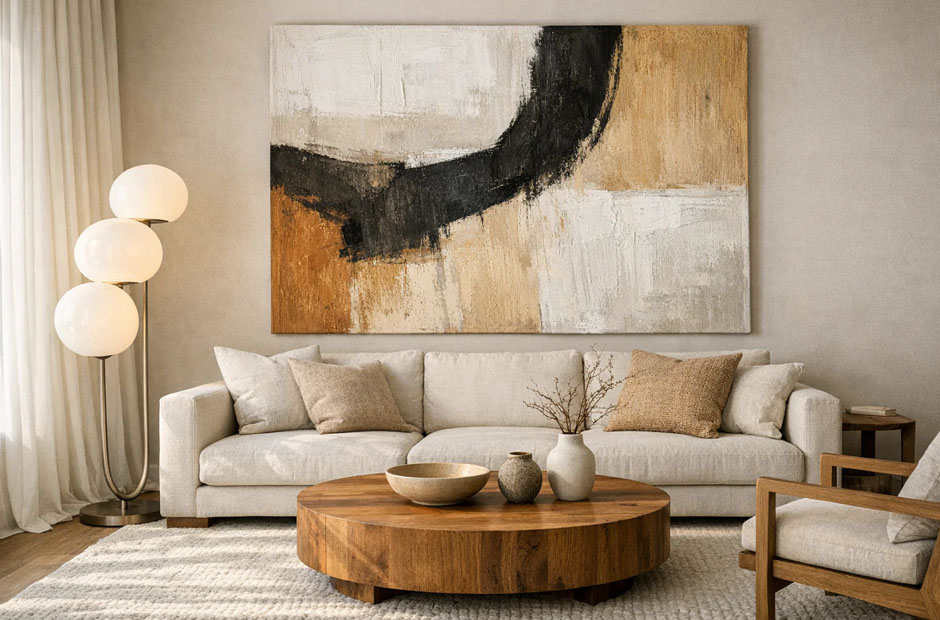
Creating a home that feels both stylish and comfortable is no longer a luxury—it’s a necessity. Furniture plays a central role in shaping how each space looks, feels, and functions. The right decor choices can turn a plain room into a warm, inviting environment that reflects your personality while supporting everyday living.
Living Room: The Heart of the Home
The living room is often the first space guests see, so it should strike a balance between aesthetics and comfort. Start with a focal point, usually a sofa, and build around it with complementary chairs, coffee tables, and accent pieces. Neutral-colored furniture offers flexibility, while bold statement pieces can add character.
Layering textures is key. Combine soft cushions, wooden surfaces, and metal accents for depth. Rugs can also help define seating areas, especially in open-plan layouts. Lighting is equally important—floor lamps and table lamps help create a cozy atmosphere in the evenings.
Bedroom: A Personal Retreat
Your bedroom should feel like a sanctuary. Choose furniture that promotes relaxation, such as upholstered bed frames and soft bedside tables with rounded edges. Storage beds or minimalist wardrobes help reduce clutter, making the space feel more open and restful.
Color psychology plays a big role here. Soft blues, muted greens, and warm neutrals enhance calmness. Avoid overcrowding the room; instead, focus on a few well-chosen furniture pieces that serve both functional and aesthetic purposes.
Dining Room: Where Moments Are Shared
Dining rooms are about connection, so the furniture should encourage gathering and conversation. A sturdy dining table is the centerpiece, whether rectangular, round, or extendable. Pair it with comfortable chairs that invite people to linger longer after meals.
To elevate the space, consider a sideboard or buffet for storage and display. Adding decorative lighting like pendant lamps over the table enhances the ambiance and highlights the furniture’s design.
Home Office: Productivity Meets Style
With remote work becoming more common, a well-designed home office is essential. Choose a desk that fits your workflow and a chair that supports good posture. Ergonomic design should never be overlooked, as comfort directly affects productivity.
Keep the layout simple and functional. Shelving units, compact storage, and minimal decor help maintain focus. However, adding a few personal touches like framed art or plants can make the space more inspiring.
Small Spaces: Smart Furniture Choices
For compact homes or apartments, multifunctional furniture is a game changer. Sofa beds, foldable tables, and storage ottomans maximize utility without sacrificing style. Light-colored furniture can make small rooms feel larger and more open.
Mirrors also play a clever role in expanding visual space, especially when placed opposite windows to reflect natural light. Every piece should serve a purpose to avoid clutter and maintain flow.
Quality, Materials, and Finishing Touches
When selecting furniture, quality matters as much as design. Durable materials ensure longevity and reduce the need for frequent replacements. Some manufacturers even rely on adhesion testing to guarantee that finishes and laminates stay intact over time, especially in high-use furniture.
Finishing touches like handles, trims, and surface textures can significantly influence the overall aesthetic. Mixing materials—wood, glass, and metal—adds sophistication while keeping the design dynamic.
Final Thoughts
Furniture decor is about more than filling a room—it’s about creating harmony between style and comfort. Each space in your home serves a different purpose, and the right furniture choices help bring those purposes to life. Whether you’re designing a cozy bedroom, a functional office, or a welcoming living room, thoughtful decor decisions can transform your entire home experience.