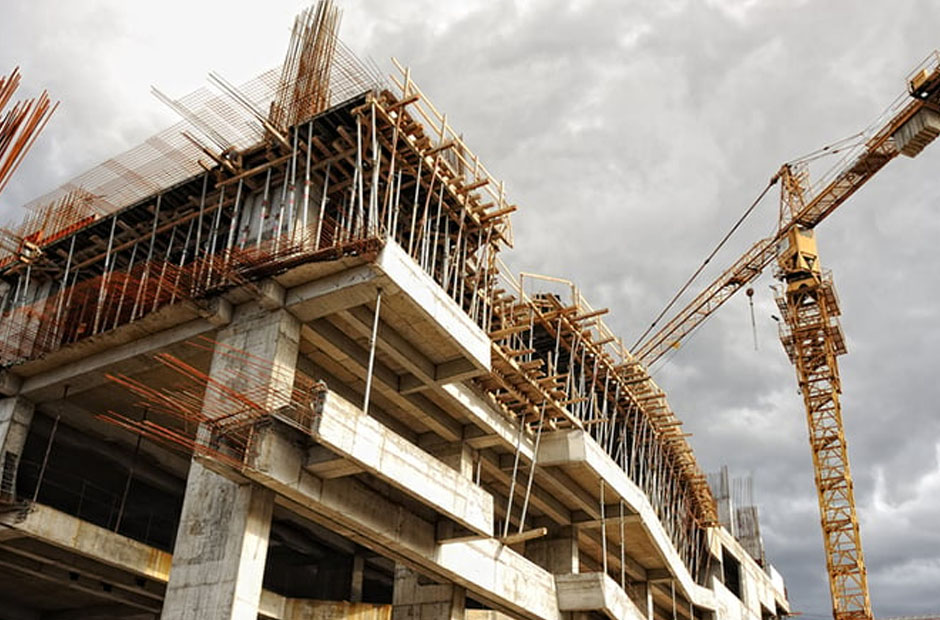
Construction sites are inherently dangerous environments. Heavy machinery, elevated platforms, and hazardous materials create constant risks for workers. The Occupational Safety and Health Administration (OSHA) exists to mitigate these risks by setting and enforcing rigorous safety standards. Compliance with these regulations ensures that workers return home safely at the end of every shift.
The Most Common OSHA Violations (and How to Prevent Them)
Understanding the frequent pitfalls in construction safety is the first step toward prevention. Here is a breakdown of the top OSHA violations, their consequences, and actionable steps to avoid them.
1. Fall Protection (General Requirements)
Falls remain the leading cause of death in the construction industry. This violation occurs when employers fail to provide adequate fall protection for employees working at elevations of six feet or more. The consequences of a fall are often fatal or result in permanent disability.
How to avoid it: Always install guardrails, safety net systems, or personal fall arrest systems (PFAS) for any elevated work. Regularly inspect harnesses and lanyards for wear and tear, and ensure anchor points are thoroughly tested and secure.
2. Hazard Communication
Chemicals and toxic substances are common on building sites. A hazard communication violation happens when employers fail to properly label hazardous materials or do not maintain safety data sheets (SDS) accessible to workers. Chemical exposure can cause severe burns, respiratory issues, and long-term illness.
How to avoid it: Implement a comprehensive hazard communication program. Ensure all chemical containers are clearly labeled and keep an updated SDS binder on site. Train every employee on how to read these labels and safely handle specific chemicals.
3. Scaffolding
Improperly erected scaffolds lead to dangerous collapses and falls. Violations usually involve missing guardrails, inadequate support, or exceeding maximum load capacities.
How to avoid it: Scaffolding must be designed and erected by a qualified person. Use high-quality materials, such as sturdy wood scaffold planks, to ensure the walking and working surfaces can handle the necessary weight. Inspect the scaffold daily before anyone steps onto the platform.
4. Respiratory Protection
Dust, fumes, and vapors can cause permanent lung damage. OSHA issues citations when employers do not provide adequate respirators or fail to implement a written respiratory protection program.
How to avoid it: Conduct air quality tests to identify specific airborne hazards on your site. Provide the correct type of respirator for the job, and ensure all workers undergo proper medical evaluations and fit-testing before using the equipment.
5. Control of Hazardous Energy (Lockout/Tagout)
Machinery that suddenly starts up or releases stored energy during maintenance can crush or electrocute workers. Lockout/Tagout (LOTO) violations occur when procedures to isolate energy sources are ignored.
How to avoid it: Develop strict, written LOTO procedures for every piece of heavy equipment. Provide adequate locks and tags, and enforce a zero-tolerance policy for bypassing energy isolation protocols during repairs.
6. Ladders
Ladder misuse is a frequent source of serious injuries. Common violations include using ladders for inappropriate tasks, using defective ladders, or failing to extend the side rails at least three feet above the landing surface.
How to avoid it: Choose the right ladder for the job, paying close attention to weight limits and material (e.g., using fiberglass instead of aluminum near electrical lines). Train workers to maintain three points of contact at all times.
7. Powered Industrial Trucks
Forklifts and other powered industrial trucks cause devastating accidents when operated carelessly. OSHA cites companies for allowing uncertified personnel to drive these vehicles or failing to perform daily safety inspections.
How to avoid it: Restrict equipment operation strictly to certified personnel. Mandate daily pre-shift inspections to check brakes, steering, and hydraulics, and ensure damaged vehicles are immediately removed from service.
8. Fall Protection (Training Requirements)
Having the right fall protection equipment means nothing if workers do not know how to use it. This violation involves failing to train employees on identifying fall hazards and the proper use of fall arrest systems.
How to avoid it: Bring in qualified instructors to conduct hands-on training sessions. Document all training activities and retrain employees whenever new equipment is introduced or if someone demonstrates a lack of understanding.
9. Eye and Face Protection
Flying debris, chemical splashes, and bright welding lights pose immediate threats to a worker’s vision. Violations occur when safety glasses or face shields are either not provided or not worn.
How to avoid it: Supply American National Standards Institute (ANSI) approved eye and face protection suitable for the specific hazards of each task. Make wearing safety glasses mandatory across the entire active building site.
Standard safety glasses do not always work for employees who wear everyday corrective lenses. Forcing workers to wear bulky goggles over their regular glasses can cause discomfort and reduce visibility on the job. Providing custom protective eyewear helps solve this problem and keeps workers compliant with safety rules. Employers can explore different prescription lens options to find frames that have both impact protection and clear vision. This simple step reduces eye strain and prevents workers from removing their safety gear during hazardous tasks.
10. Machinery and Machine Guarding
Moving machine parts like saw blades, pulleys, and gears can easily amputate limbs. Employers are cited when they remove factory-installed guards or fail to protect workers from nip points and rotating parts.
How to avoid it: Never bypass or remove a machine guard. Routinely inspect tools and heavy machinery to ensure all protective barriers are securely in place before operation.
The Role of Training and Regular Site Audits
Equipment alone cannot keep a site safe. Human behavior plays a massive role in hazard prevention, which makes ongoing education essential. Routine training ensures that workers recognize dangers and understand the procedures required to navigate them safely. Construction methods and equipment evolve, meaning safety training must be treated as a continuous process rather than a one-time onboarding checklist.
Coupled with education, regular site audits serve as your primary defense against compliance slip-ups. Conducting daily or weekly walk-throughs helps identify worn-out equipment, missing signage, and unsafe behaviors. Bringing in third-party safety consultants to perform mock OSHA inspections can also reveal blind spots your internal team might miss. Documenting these audits shows a good-faith effort to maintain compliance, which can be highly beneficial if an official OSHA inspection occurs.
Conclusion
Avoiding OSHA violations requires a proactive approach that goes beyond simply checking boxes on a compliance form. It demands a working environment where safety is prioritized above speed and productivity. When management actively participates in safety protocols and encourages workers to report hazards without fear of retaliation, accident rates drop significantly.