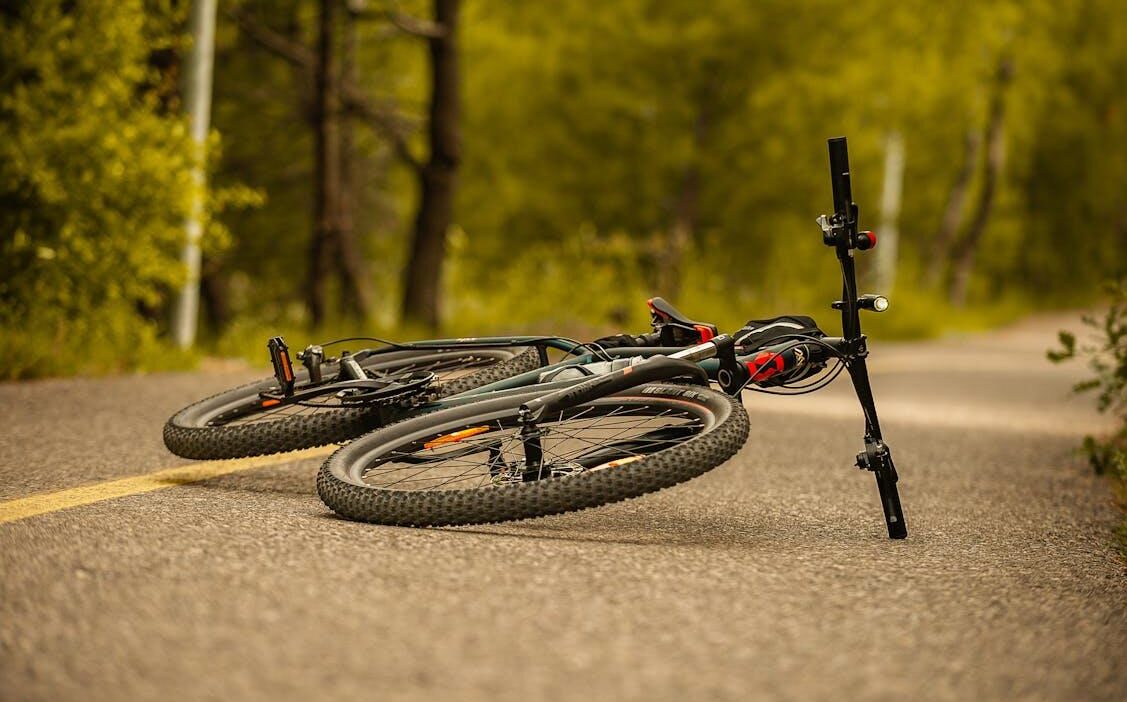
Cycling has become more popular than ever in recent years. Many people ride bicycles for exercise, daily transportation, recreation, or simply as a way to spend more time outdoors. Cities and communities are also encouraging cycling by adding bike lanes, trails, and more cyclist-friendly infrastructure. While riding a bike offers many benefits, it also comes with certain risks that cyclists should never ignore.
Busy roads, distracted drivers, poor weather conditions, and limited visibility can all increase the chances of accidents. Even experienced cyclists can face dangerous situations if they are not paying close attention to traffic and road conditions around them. Because cyclists have less physical protection than drivers inside vehicles, even a small collision can lead to serious injuries.
Staying safe on the road requires more than just knowing how to ride a bike. Cyclists need to stay alert, follow traffic rules, use proper safety equipment, and develop defensive riding habits that help reduce accident risks. Understanding what to do before, during, and after dangerous situations can make a major difference in preventing injuries and protecting overall safety.
Understanding the Importance of Defensive Cycling
Defensive cycling is one of the most important habits any cyclist can develop. Unlike drivers, cyclists are more exposed to traffic dangers and are often harder for motorists to see. This means riders must stay aware of everything happening around them at all times.
Cyclists should always assume that drivers may not notice them immediately. Paying attention to vehicle movements, watching for sudden lane changes, and anticipating possible hazards can help reduce accident risks. Riding predictably is also important because sudden turns or unexpected movements can confuse drivers and create dangerous situations.
In serious collisions involving negligent drivers, unsafe road conditions, or traffic violations, injured riders may sometimes need guidance from a bicycle accident attorney who can help them understand their legal rights, manage insurance issues, and pursue compensation for medical bills, lost wages, and other damages connected to the accident.
Even the safest cyclists cannot control every situation around them. Defensive riding habits reduce risks, but accidents may still happen because of distracted driving, speeding, poor road maintenance, or failure to follow traffic laws.
Visibility also plays a major role in defensive cycling. Riders should make themselves as noticeable as possible by using lights, reflective clothing, and clear hand signals when turning or stopping. Drivers are more likely to respond safely when they can easily predict a cyclist’s actions.
Most importantly, cyclists should stay mentally focused while riding. Road conditions can change quickly, and staying alert helps riders react faster when unexpected situations occur.
Essential Safety Gear Every Cyclist Should Use
Wear a Properly Fitted Helmet
A helmet is one of the most important pieces of safety equipment for any cyclist. While helmets cannot prevent every injury, they significantly reduce the risk of serious head trauma during accidents.
A helmet should fit securely without being too tight or loose. Straps should sit comfortably under the chin, and the helmet should not move excessively while riding. Riders should also replace helmets after crashes or when signs of wear appear because damaged helmets may not provide proper protection.
Wearing a helmet every time you ride creates a simple but effective layer of safety that can make a major difference during an accident.
Use Lights and Reflective Gear
Visibility becomes especially important during early mornings, evenings, rainy weather, or cloudy conditions. Drivers often struggle to notice cyclists quickly, especially in low-light environments.
Front and rear bike lights help improve visibility, while reflective clothing, helmets, and accessories make riders easier to see from greater distances. Reflective gear is particularly important for cyclists who ride near traffic or during nighttime hours.
Bright colors also help improve visibility during daytime riding. The more noticeable a cyclist appears, the more time drivers have to react safely.
Maintain Your Bicycle Regularly
A well-maintained bicycle is much safer to ride than one with worn or damaged components. Mechanical failures can quickly lead to accidents if important parts stop working unexpectedly.
Cyclists should regularly check brakes, tires, chains, gears, and tire pressure before riding. Loose parts, worn brake pads, or damaged tires can reduce control and increase accident risks.
Simple maintenance habits not only improve safety but also help bicycles perform more smoothly and efficiently overall.
Safe Riding Habits for Busy Roads and Intersections
Traffic-heavy areas and intersections are some of the most dangerous places for cyclists. Many bicycle accidents occur when drivers fail to notice cyclists while turning, changing lanes, or approaching intersections.
Cyclists should always obey traffic signs and signals just like drivers. Following the rules of the road helps create predictable movement patterns that reduce confusion and improve safety for everyone.
Hand signals are another important safety habit. Clearly signaling turns and stops gives drivers more time to react and helps prevent sudden misunderstandings on the road.
Cyclists should also avoid riding in vehicle blind spots, especially near buses, trucks, and large SUVs. Large vehicles often have limited visibility, making it difficult for drivers to see cyclists riding too closely beside them.
Distractions can also increase accident risks. Wearing headphones at high volume or using mobile phones while riding reduces awareness and reaction time. Staying mentally focused allows cyclists to notice hazards more quickly and respond safely.
Parked cars create another common danger known as “dooring,” where a driver suddenly opens a vehicle door into the cyclist’s path. Riding at a safe distance from parked cars gives cyclists more space to react if a door opens unexpectedly.
Intersections require extra caution because multiple traffic directions create more opportunities for collisions. Slowing down slightly and making eye contact with drivers whenever possible can improve safety in these high-risk areas.
Cycling can be an enjoyable, healthy, and convenient activity, but safety should always remain a top priority. Wearing proper protective gear, maintaining your bicycle, following traffic laws, and practicing defensive riding habits all help reduce accident risks significantly.
Cyclists cannot control every situation on the road, especially when dealing with distracted drivers or unsafe conditions. However, preparation, visibility, awareness, and cautious decision-making can greatly improve overall safety.
Road conditions, weather, and traffic patterns may change daily, which is why staying alert and adaptable remains so important for every rider. Developing safe habits consistently helps cyclists protect themselves while also creating safer roads for everyone around them.
By approaching cycling responsibly and staying aware of potential risks, riders can continue enjoying the freedom and benefits of cycling with greater confidence and peace of mind.