A comfortable dining space in Cincinnati encourages customers to stay longer and return again. Booth seating will strongly affect that experience because guests notice comfort and cleanliness the moment they sit down. In busy restaurants, booth upholstery will handle constant pressure from daily traffic, food spills, and changing indoor conditions. Even durable materials will start to fade or crack when exposure becomes nonstop.
Restaurant owners usually focus on food quality and customer service, yet seating conditions quietly shape the atmosphere of the entire space. A worn booth can make a dining area appear outdated before customers even order a meal. That is why many owners rely on professional Cincinnati restaurant booth repair services to maintain comfort and appearance. This article explains the main reasons restaurant booth upholstery wears out faster in commercial dining spaces.
Heavy Customer Traffic Weakens Upholstery
Restaurants tend to experience continuous customer movement throughout the day. Guests make use of the booths repeatedly during lunch, dinner, and weekend rushes. This repeated use creates friction along the seat edges and backrests, which will slowly weaken the upholstery surfaces. Foam cushions also lose support after constant pressure from daily use.
In Cincinnati, crowded dining spaces might serve hundreds of customers every week. Family restaurants and busy casual eateries will place extra pressure on booth seating because guests remain seated for long periods. Commercial furniture handles much heavier use than household seating, so materials naturally age faster. Continuous pressure eventually stretches upholstery and reduces the overall comfort of restaurant booths.
Food Spills and Grease Cause Surface Damage
Booth seating faces regular exposure to sauces, drinks, grease, and crumbs. The upholstery materials experience damage because liquids enter through seams and padding, while grease causes progressive upholstery deterioration. The material condition deteriorates over time because restaurants clean seating areas, yet customers continue to use them.
Some common causes linked to food-related upholstery damage include:
- Acidic sauces that weaken protective coatings
- Grease buildup around seat seams
- Sugary drinks that harden surfaces
- Moisture trapped beneath cushions
- Hot serving plates touching booth backs
Restaurants in Cincinnati clean dining areas frequently, yet aggressive scrubbing and strong cleaning products can slowly fade upholstery and reduce flexibility.
Sunlight Fades Booth Materials Faster
Natural light creates a better restaurant atmosphere, but direct sunlight causes rapid damage to booth upholstery. The booths located near windows receive ultraviolet rays, which they absorb throughout the day. This exposure fades colors and weakens upholstery fibers, especially on darker seating surfaces.
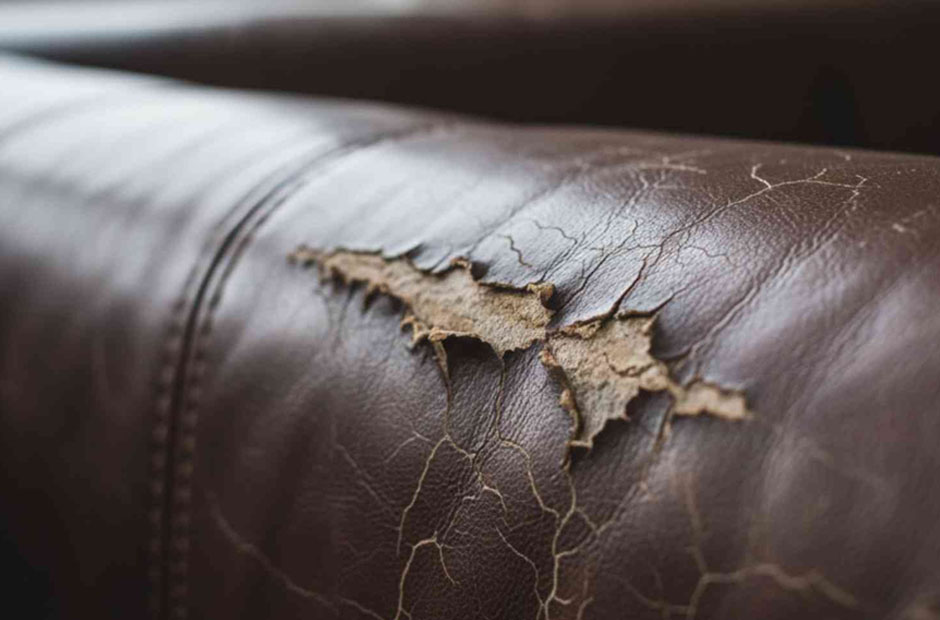
In places like Cincinnati, fading develops faster because of its seasonal sunlight patterns. The sunlight exposure in different booth sections varies throughout each month, resulting in different levels of color fading. Direct sunlight creates heat, which dries synthetic materials and results in cracks that develop at seat edges and corners. Once cracking begins, the daily usage will worsen the damage and shorten the lifespan of the seating.
Indoor Temperature Changes Affect Durability
Restaurant upholstery reacts constantly to indoor temperature and humidity changes. Kitchens generate heat throughout the day, while crowded dining rooms create additional warmth. Poor ventilation traps moisture inside the restaurant, which weakens upholstery layers and foam padding over time.
Weather conditions in Cincinnati create additional pressure on seating materials. Cold air enters dining areas during the winter months, while humid air becomes common during the summer. These sudden climate changes cause upholstery to expand and contract repeatedly. Constant movement within the material weakens stitching and reduces durability. Over time, booths begin to sag, crack, or lose their original shape much faster than expected.
Weak Installation Methods Reduce Booth Lifespan
A booth may appear attractive at first, yet poor installation can reduce durability quickly. The combination of loose seams and weak staples with low-quality padding creates concealed problems that only become visible after extended commercial use. Improper construction methods lead to cushions that sag and develop wrinkles.
Restaurants in Cincinnati require seating that can handle constant daily activity. Strong upholstery performance depends on durable materials combined with skilled installation techniques. Booth seating loses its original shape because of two main factors, which include installer haste and the use of incorrect materials. Professional craftsmanship plays an important role in preserving appearance, support, and long-term seating performance inside busy restaurants.
Low-Quality Materials Wear Out Under Commercial Use
Commercial dining furniture should withstand continuous activity every day. Thin vinyl, weak stitching, and poor foam padding will rarely survive heavy restaurant traffic for prolonged periods. Low-grade upholstery materials tend to crack, fade, or sag much faster in active dining spaces.
Some owners choose inexpensive seating to cut down on the initial expenses, but weaker materials will only lead to replacement costs later. Professional Cincinnati restaurant booth repair specialists can restore the damaged seating caused by low-quality upholstery products. Many restaurants benefit from durable materials designed specifically for hospitality environments because stronger upholstery supports comfort, appearance, and long-term value.
Restaurant booth upholstery experiences intense usage throughout each day. The material experiences continuous damage because of customer movement, food spills, sunlight exposure, and indoor temperature fluctuations. Restaurants should maintain their booths to satisfy the customer by using durable materials and maintaining it with expert cleaning services.