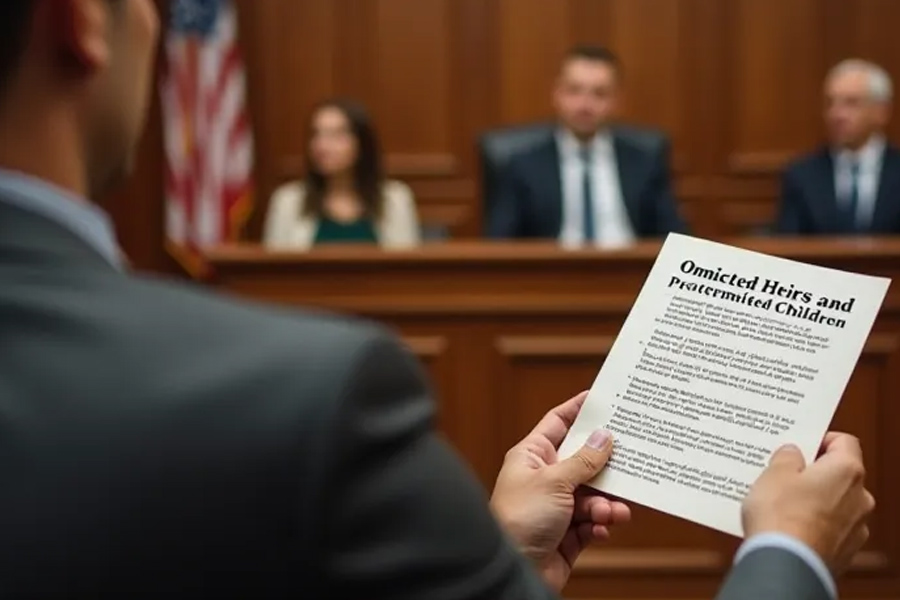
What Makes Someone Omitted Today
Families change. People remarry, adopt, expand, and save old documents long after their time. Changes and estate planning intersect with an omitted heir. A spouse or child who joined the family after estate documents were signed often has the label. In actuality, it can also occur when a loved one is never named. These scenarios have legal safety nets, but they don’t capture everything. Understanding who is omitted, where it matters, and how a claim goes through probate is the foundation for any action.
Beyond the Will: Nonprobate Assets and Hidden Roadblocks
Wills aren’t everything. Modern portfolios span probate-free accounts and titles. Life insurance, retirement accounts, bank accounts with transfer on death instructions, and revocable trust property can be moved out of court. An omitted heir may inherit the probate inheritance but lose most of the riches. Some jurisdictions preserve revocable trusts by statute or case law. Sometimes your claim ends at probate and nonprobate assets are protected. Every asset class must be mapped early. It shows which doors are unlocked and which need a unique legal key.
Navigating urgent legal processes often requires clear guidance to prevent unnecessary delays and protect a family’s interests. When unexpected legal matters arise without clear directions or formal documentation in place, taking time to explore your options can help families make informed decisions and ensure that proper legal steps are followed during critical moments.
Intent, Capacity, and Undue Influence
These disagreements are about intent. Laws typically assume accidental exclusion when paperwork is old or inadequate. That assumption is weak. It bends under willful disinheritance, incapacity, or pressure. Time-specific capacity. A person can live their daily existence without legal clarity about their estate decisions. Undue influence is subtle. It looks like solitude, quiet routine rewrites, and a beneficiary hovering over signatures. These threads affect results. If the dead clearly excluded an heir, a court will not retrospectively amend a will. If the evidence demonstrates purpose was undermined or forced, the court may increase your share.
State Variations That Change the Map
Probate is deeply local. Definitions, protections, and calculations vary by state. A newly married spouse receives a statutory share in some states regardless of an old will. Some community property regulations guarantee half of marital earnings by default. After a will is signed, children may receive the portion they would have received without a will. That calculation changes depending on sibling count, marital status, and other descendants. Variations include whether adopted children are treated the same as biological ones, posthumous children, and omitted heirs can access trust assets. Even vocabulary varies. Learning the native language early prevents mistakes.
Timing, Deadlines, and Interim Protections
When a petition is filed or notices are sent, probate begins. Omitted heirs must act fast. Contesting a will, claiming elective shares, or requesting status rulings have weeks or months deadlines. Interim protections are useful too. If necessary, courts can halt payouts, hold funds, or appoint impartial fiduciaries. Temporary orders prevent estate depletion during litigation. Missing the early window costs. After assets are dispersed, unraveling the knot involves further litigation, evidence, and money.
Evidence That Moves the Needle
Paperwork speaks. Drafts, lawyer notes, and dated communications might reveal how a will or trust was created. Calendar entries, texts, and emails about marriage, birth, and adoption do too. Financial records show gifts, assistance, and intentions. Photographs and holiday greetings provide context but rarely save the day. Knowledge and opportunity situations matter most. Did the deceased consult an attorney following a catastrophic event. Changed beneficiary designations but not will. Did health events influence cognition? Did a caretaker restrict access. The court decides if omission was accidental, designed, or in between based on the evidence.
Strategy in Mediation and Settlement
Probate arguments are passionate but strategic. Mediation is the resolution mainstay. It allows parties to propose without trial in a controlled environment. Settlement proposals require more than numbers. A story the other side can accept is needed. Consider dividing heirlooms, delaying payments, or maintaining a property till sale instead of carving it up immediately. Staggered milestone or tax event payouts might reduce resistance. A compromise with shared risk is desired. Brightly lit trials expose family history. Mediation softens history while seeking a solution.
The Role of Fiduciaries and Remedies
Executors and personal agents must be loyal, transparent, and prudent. Considering claims equitably and avoiding hurried distributions are those tasks when an omitted heir surfaces. Courts can punish fiduciaries who favor or overlook credible claims. Surcharge orders cover misbehavior losses. Injunctions stop fund movement. Unfairly given assets are returned by constructive trusts. Fiduciaries can be removed and replaced if they cannot serve neutrally. Remedies are tools, not awards. They restart the process and protect the estate during the dispute.
Special Situations: Second Families, Adoption, and Stepchildren
Modern families are not neatly arranged. Shares and priority arise in second marriages with children from previous partnerships. Adoption usually equalizes adopted children with biological children. Stepchildren rarely inherit without adoption or explicit naming, but local law may allow exceptions. Posthumous children conceived before death may qualify under state. Assisted reproduction complicates consent documents and time. Even guardianship requires care. Without formal links, a household child may not have a claim, but their presence and support can affect the court’s intent.
Taxes, Debts, and How Shares Shrink
Heirs share assets and debt. Debts, burial bills, and terminal illness costs come first. Legal and administrative fees follow. The ultimate gravity well is taxes. Federal estate tax applies exclusively to big estates, although state levies can reach smaller ones. Retirement account distributions may incur income tax. As obligations are paid, the remaining diminishes, sometimes substantially. Abatement guidelines determine who gives up what when the estate cannot fulfill all promises. Bequests are often reduced before specific gifts, but state law and document text determine the order. Understanding the payment waterfall eliminates surprises when the numbers settle.
Digital Footprints and Modern Estates
Estates now comprise non-filing cabinet assets. Hardware wallet cryptocurrency, monetized social media channels, domain names, and online businesses all have value and access barriers. Collection and management require keys, authentication, and information from the personal representative. Early digital asset notification for omitted heirs. Treatment can decide whether a claim is meaningful if they make up a large part of the estate. Account recovery, device possession, and documentation might be as vital as property documents or bank records.
FAQ
Are omitted heirs always guaranteed a share of the estate
No.Many jurisdictions think the omission was inadvertent and give a road to a share, but clear evidence that the decedent meant to exclude the person or asset structures that keep most wealth outside probate can obstruct that approach. Results depend on local law, document wording, and facts.
Can an omitted spouse reach assets in a revocable trust
Sometimes. Certain jurisdictions treat revocable trusts as will substitutes and extend omitted spouse protections to them. Others do not. The trust terms and the timing of marriage relative to trust creation also matter. A careful inventory and legal analysis are required to know where protections apply.
Do stepchildren have rights as omitted heirs
Usually not, unless they were legally adopted or expressly named. Some states recognize limited circumstances where a child treated as adopted might claim rights, but these are narrow and fact specific. The default rule is that stepchildren need legal or written ties to inherit.
What happens if the executor refuses to pause distributions during a dispute
Courts can intervene. A motion for injunctive relief can halt distributions. If the executor breaches duties or acts in bad faith, the court can order a surcharge, impose a constructive trust, or remove the executor and appoint a neutral replacement. Speed is vital to prevent dissipation.
How quickly must an omitted heir act
Deadlines vary, but they are short. Will contests and elective share claims often require filing within months of notice. Waiting can forfeit rights, especially after distributions begin. Early filings can also secure temporary protections while the court considers the claim.
Can evidence outside the will affect the outcome
Yes. Attorney notes, drafts, beneficiary change forms, medical records, emails, and witness testimony can all inform the court’s understanding of intent and capacity. The more specific and contemporaneous the evidence, the more weight it carries.
Will a successful claim reduce what named beneficiaries receive
Often. Abatement can require proportional reductions or reordering of distributions to make room for the omitted heir’s share. The exact impact depends on the estate’s size, the type of gifts, and the governing rules of priority.
Do creditor claims affect omitted heir shares
They do. Creditors are paid before heirs. Taxes, debts, and administrative expenses diminish the pool that remains for distribution. An omitted heir’s recovery is calculated from what is left after those obligations are satisfied.