Migraines can disrupt daily routines, reduce concentration, and leave lasting physical exhaustion. Many individuals search for supportive methods that encourage comfort without adding strain to the body. Gentle wellness approaches continue to gain attention because they focus on relaxation and body balance.
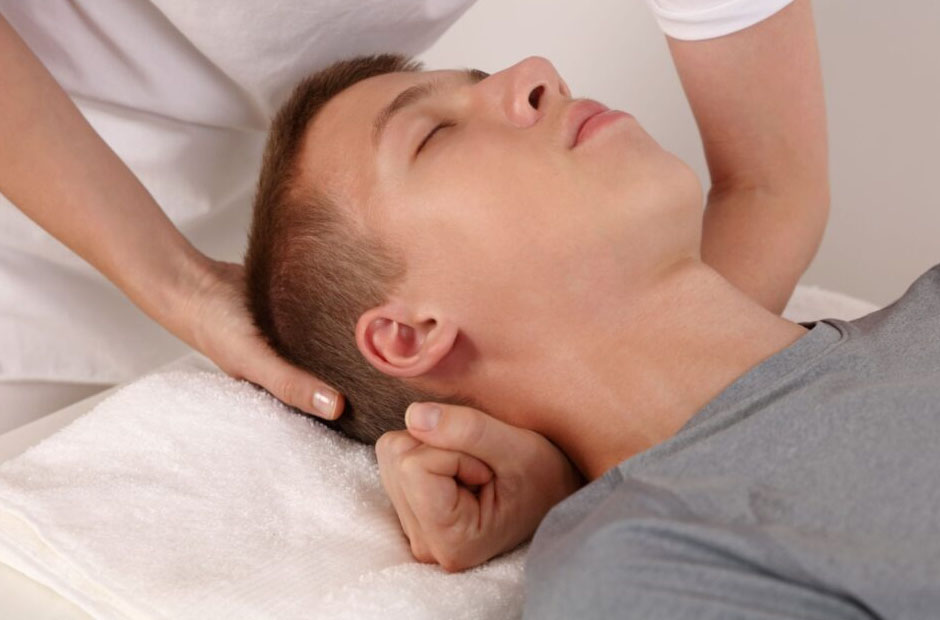
Craniosacral therapy uses light touch to address tension surrounding the head, spine, and nervous system. Sessions usually take place in a calm setting that encourages physical ease and mental quietness. People who deal with recurring headaches may appreciate therapies that support comfort through subtle and noninvasive techniques.
Gentle Pressure Encourages Nervous System Relaxation
Many wellness professionals recommend craniosacral therapy for migraines because the technique encourages calmness throughout the nervous system. Soft contact around the skull and spine may reduce physical stress linked with migraine discomfort. Clients frequently describe a soothing sensation during sessions, which can help the body shift away from heightened tension.
A relaxed nervous system may support better rest, steadier breathing patterns, and improved emotional comfort. Muscle tightness around the neck and shoulders can also decrease during treatment. Greater physical ease sometimes reduces the intensity connected with recurring migraine episodes.
Reduced Muscle Tension Around the Head and Neck
Areas commonly addressed during therapy include:
- Tight muscles surrounding the jaw and temples.
- Pressure near the neck and upper shoulders.
- Restriction around the scalp and cranial area.
- Stiffness connected with poor posture habits.
Physical improvements may include:
- Greater neck mobility during daily movement.
- Less strain near sensitive pressure points.
- Easier head movement without discomfort.
- Improved comfort during rest and sleep.
Improved Fluid Movement Supports Head Comfort
Craniosacral therapy focuses on subtle rhythms connected with cerebrospinal fluid movement throughout the body. Therapists use delicate techniques that aim to release restrictions near connective tissues and surrounding structures. Balanced movement within these areas may contribute to reduced pressure sensations associated with migraines.
Many people seek craniosacral therapy for migraines because the sessions encourage relaxation without forceful manipulation. Gentle treatment may help the body release stored tension that contributes to headache discomfort. Continued sessions can create a greater sense of physical balance and calmness over time.
Emotional Stress Receives Care Through Calm Sessions
Emotional benefits linked with sessions may include:
- Reduced feelings of mental exhaustion.
- Greater calm during stressful situations.
- Better emotional balance after difficult days.
- Increased comfort during periods of tension.
Session environments usually support relaxation through:
- Quiet treatment spaces with minimal distractions.
- Slow therapeutic movements that encourage ease.
- Comfortable positioning during appointments.
- Peaceful surroundings that support restfulness.
Better Sleep Habits May Reduce Migraine Frequency
Sleep quality plays a major role in physical wellness and headache management. Individuals who struggle with migraines sometimes experience interrupted sleep caused by stress, muscle tightness, or lingering discomfort. Relaxation during craniosacral therapy sessions may support healthier sleeping patterns and improved nighttime comfort.
Consistent rest allows the body to recover more efficiently from daily strain. Reduced tension throughout the body may create a calmer physical state before bedtime. Improved sleep habits can contribute to fewer migraine disruptions and better daily energy levels.
Hence, craniosacral therapy offers a gentle approach for individuals who seek support from recurring migraine discomfort. Soft therapeutic techniques may encourage relaxation, ease tension, and support physical balance. Consistent sessions can help many people experience greater comfort and improved daily wellness.