In the contemporary business landscape, a commercial building’s exterior serves as much more than a functional shell; it is a primary communication tool that broadcasts brand identity, corporate values, and professional standards before a visitor ever crosses the threshold. Enhanced by Advanced Solutions Property Management solutions, modern facades have transitioned from static structures to dynamic expressions of architectural innovation, blending aesthetics with high-performance technology. As developers and business owners look to differentiate themselves in crowded markets, several key trends are defining the future of commercial exterior design.
Minimalism and the Power of Clean Lines
One of the most enduring trends in modern architecture is the shift toward sleek minimalism. This design philosophy prioritizes clean lines, geometric precision, and uncluttered surfaces to create a polished, sophisticated appearance. Rather than relying on ornate decorations, minimalist facades focus on the inherent quality of the materials and the balance of proportions.
This “less is more” approach is particularly favored by tech firms and high-end retail brands that wish to convey a forward-thinking and efficient image. Streamlined entryways and flat rooflines provide a timeless aesthetic that minimizes the risk of the building appearing dated as architectural fads cycle through.
Sustainability and “Living” Architecture
Sustainability has evolved from a secondary consideration to a core design priority. Modern exteriors now frequently incorporate eco-friendly elements such as high-performance glazing to regulate internal temperatures and solar panels integrated directly into the building’s cladding.
Perhaps the most visually striking sustainable trend is the rise of living walls and green roofs. These features do more than just look impressive; they improve air quality, provide thermal insulation, and reduce the urban heat island effect. To complement these “living” structures, landscape architects are increasingly looking at the surrounding grounds as an extension of the building’s eco-conscious mission. For instance, converting traditional lawns into native meadows by sowing bulk wildflower seeds can support local pollinators and reduce maintenance requirements, creating a holistic environment that resonates with environmentally aware consumers.
The Transparency of Glass
Glass continues to be a dominant material in commercial design, particularly for office and mixed-use developments. The move toward expansive glass facades, floor-to-ceiling windows, and curtain walls is driven by the desire to maximize natural light, which is known to enhance employee productivity and well-being.
Beyond the practical benefits of lighting, transparency in design fosters a sense of openness and trust. It allows passersby to glimpse the activity within—be it a collaborative office space or a vibrant retail showroom—effectively using the architecture itself as a marketing tool. Advances in glazing technology now allow for these massive glass surfaces to remain energy efficient through the use of UV-protective and self-tinting coatings.
Depth and Texture Through Mixed Materials
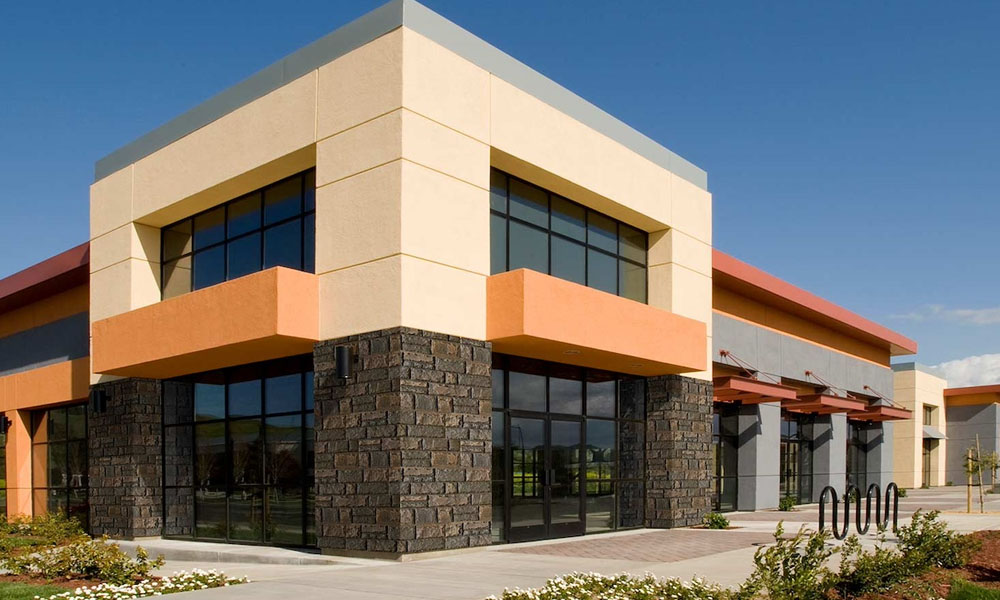
Architects are increasingly moving away from monochromatic, single-material facades in favor of a layered, multi-textured approach. By combining disparate materials such as sleek metal panels, natural wood accents, textured stone, and glass, designers can create visual depth and interest.
This interplay of textures adds a human scale to large commercial structures, making them feel more approachable and warm. For example, the industrial coldness of concrete or steel can be softened with strategically placed timber cladding, creating a balanced aesthetic that feels both modern and inviting. These mixed-material designs also offer practical benefits, such as enhanced weather resistance and easier long-term maintenance.
Smart Facades and Integrated Technology
Technology is no longer confined to the interior of a building; it is now an integral part of the exterior design. Smart facades can now respond dynamically to environmental conditions, using automated shading systems and responsive louvers to adjust based on the sun’s position.
Furthermore, integrated LED lighting systems are being used to highlight architectural features after dark, enhancing security while creating a distinctive nighttime presence for the brand. These innovations ensure that the building is not only a visual landmark but also a highly functional asset that optimizes energy consumption in real-time.
A Strategic Investment for the Future
Modern commercial facades reflect a broader shift toward designs that are smarter, more sustainable, and deeply engaged with their environment. By investing in these trends, businesses can create a lasting first impression that enhances property value and reinforces their brand identity. Whether through the precision of minimalism or the vibrancy of a living wall, the face of a building remains its most powerful statement to the world.