Construction projects demand careful planning, reliable materials, and timely execution. Many developers and property owners look for methods that shorten project timelines without affecting quality. Modern building solutions now provide faster results while keeping expenses under control.
Steel structures prepared in factory settings have changed the pace of commercial and industrial development. They arrive ready for assembly, which helps crews complete projects with better coordination and fewer interruptions. This article explains how these systems lower delays, reduce workforce expenses, and improve overall project efficiency.
Faster Site Preparation and Assembly
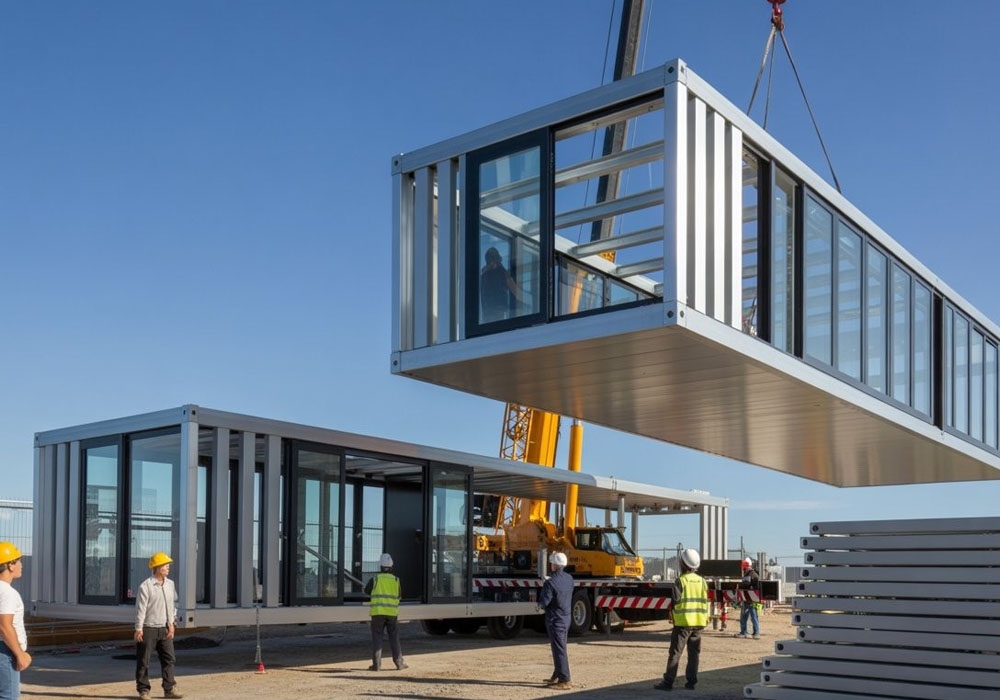
Traditional construction methods require large amounts of cutting, measuring, and material handling at the job site. These steps consume time and create scheduling issues when weather or supply shortages affect daily operations. Many contractors prefer prefab steel buildings because the parts arrive ready for installation. Workers can place each section quickly with the help of detailed layouts and pre-engineered connections. Quick assembly also keeps the workspace organized and allows project managers to maintain tighter deadlines without unnecessary interruptions.
Reduced Dependence on Large Labor Crews
Construction labor shortages continue to affect many regions across the country. Finding experienced workers for long-term projects can increase operational expenses and delay progress. Pre-engineered steel systems help companies reduce that pressure by simplifying the installation process.
Smaller Teams Can Complete More Work
These structures require fewer hands because factory precision eliminates many manual adjustments. Crews spend less time correcting measurements or reshaping materials during assembly. Key labor-saving advantages include:
- Faster installation due to pre-cut and pre-drilled parts
- Less material waste at the project location
- Reduced need for specialized on-site fabrication
- Better coordination between suppliers and contractors
- Lower overtime expenses because schedules remain predictable
This process helps builders complete projects sooner while managing labor expenses more effectively.
Improved Scheduling Through Factory Production
Unpredictable weather can interrupt framing, material storage, and other site activities. Factory-based manufacturing helps reduce these interruptions because most structural preparation happens indoors. Production facilities operate with controlled equipment and consistent quality checks, which improve accuracy before shipment.
Clear timelines also strengthen communication between suppliers, engineers, and project supervisors. Everyone involved understands when materials will arrive and how the installation sequence will proceed. This organized workflow minimizes downtime and supports steady progress throughout the entire project timeline.
Strong Structural Quality with Long-Term Value
Property owners want structures that remain dependable for decades. Steel systems provide strong resistance against moisture, pests, and structural movement. These advantages help reduce future maintenance expenses and preserve the condition of the property.
Accurate factory fabrication also improves structural consistency because each component fits according to engineered specifications. Many industries now rely on prefab steel buildings for warehouses, agricultural facilities, and commercial spaces because they combine speed with reliable performance. Business owners value the ability to expand operations quickly while maintaining dependable structural quality.
Better Budget Control for Large Projects
Financial planning plays a major role in every commercial project. Delays can increase rental equipment charges, labor payments, and material costs. Faster assembly and predictable scheduling help developers maintain stronger control over their budgets.
Factory-prepared components also reduce material waste because contractors order precise quantities instead of storing unnecessary products at the site. Lower labor requirements further support cost savings throughout the project timeline. This balance between speed and efficiency creates a practical solution for modern construction needs.
Modern construction continues to move toward faster and more reliable building methods. Factory-prepared steel structures support this shift by helping contractors maintain schedules, reduce workforce expenses, and improve operational efficiency. Their organized production process and durable performance make them a practical option for commercial and industrial development projects across many sectors.