Metal fabrication entails shaping and assembling raw metal components into finished architectural products. Fabricators manipulate heavy materials like aluminum, wrought iron, and steel into high-end architectural fixtures. The following tools are often used in custom metalwork:
Precise Cutting Tools
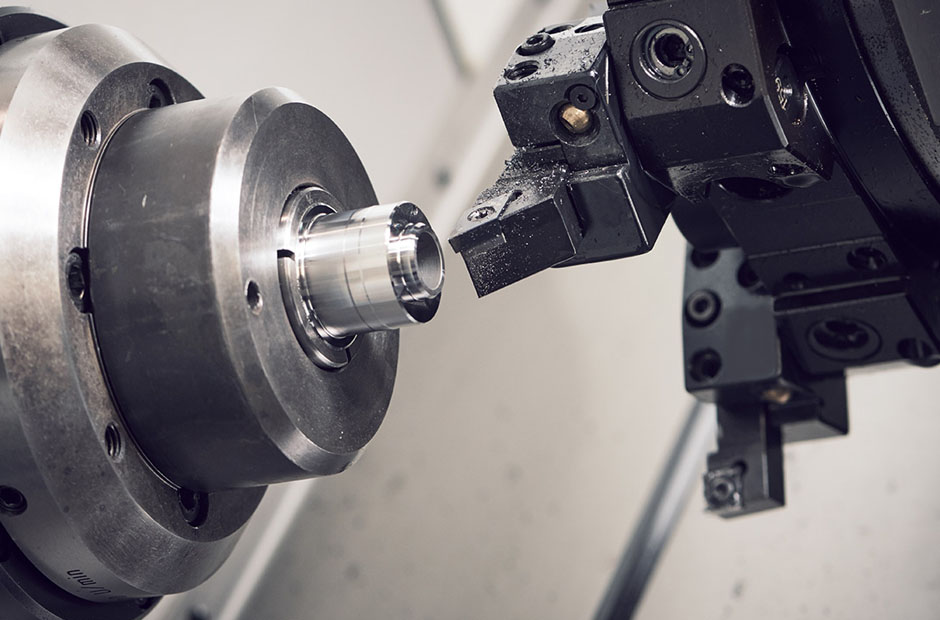
Professional metal fabricators use precision cutting equipment to transform raw steel, aluminum, and other metals into components for custom railings, gates, and more. Accurate measurements and cuts are key to verifying a proper fit and smooth installation. Advanced cutting technologies allow fabricators to efficiently process thick metal stock while maintaining clean edges and minimizing material distortion. Basic cutting tools are suitable for simple tasks; industrial-grade equipment is necessary for tasks that require precise angles, intricate designs, and custom-fabricated pieces. Mechanical cutting systems are commonly used to shape heavy-gauge metal plates and structural components for high-quality residential and commercial projects.
Specialized Bending Machines
Metal bending equipment is used to form steel, aluminum, and other metals into the shapes required for custom fabrication projects. Fabricators rely on these machines to create components for a variety of products. Such products include railings, stair systems, gates, decorative features, and structural metalwork.
Press brakes use controlled force and precision tooling to produce consistent bends that meet project specifications. Operators adjust machine settings based on the material type, thickness, and desired angle. For curved designs, rolling machines gradually shape metal into smooth radii without compromising its strength or appearance. This process is commonly used for circular railings, arched features, and other custom architectural elements that require precise curves.
Large-scale manufacturing plants often use heavy-duty stamping presses to shape sheet metal into specific parts. These presses use custom dies to cut and form materials like steel and aluminum with high speed and accuracy. Companies like AMG Industries provide these specialized metal stamping services for sectors like the automotive and agricultural industries. This type of production is necessary when businesses need thousands of identical metal components.
Industrial Forge Stations
Metal fabrication often involves the controlled application of heat to make steel and other metals easier to shape and form. Heating metal to the appropriate temperature allows fabricators to create custom components while maintaining the material’s structural properties. Modern fabrication shops use specialized equipment to monitor and regulate temperatures throughout the process. Different metals and project requirements call for specific heating methods and temperature ranges. Controlled heating is commonly used when forming decorative elements, custom gates, railings, and other architectural features. By carefully managing heat during fabrication, metalworkers are able to produce durable, high-quality components with the precise dimensions and appearance needed for each project.
Precise Welding Rigs
MIG and TIG welding processes are commonly used in metal fabrication to join steel, stainless steel, and aluminum components for custom railings, gates, and stair systems. These methods use an electric arc to fuse metal parts together, creating strong, durable joints suitable for both residential and commercial installations. Welders select MIG or TIG techniques based on material type, thickness, and finish requirements.
MIG welding is often used for faster production on heavier materials; TIG welding provides greater precision for detailed or visible architectural work. Properly executed welds help offer structural stability and prevent movement or failure in load-bearing elements such as stairs and entry frames. Key operational and safety factors include:
- Using appropriate shielding gas to protect the weld from contamination
- Setting the correct voltage and amperage for the material being joined
- Securing proper grounding to verify electrical safety and weld consistency
Explore Metal Fabrication Techniques
When creating customized property fixtures, professionals utilize different tools depending on the project type. They use cutting tools to partition dense materials and bending machines to form structural curves. Contact a metalworks expert to learn more about the services that they provide.