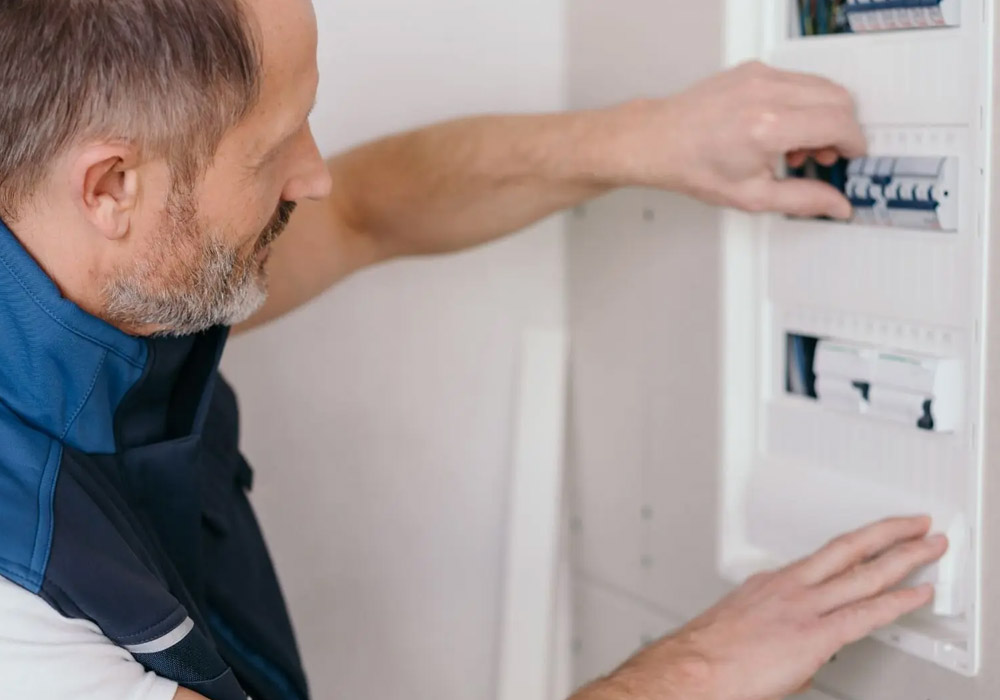
Circuit breakers are electrical components that most people never think about until something goes wrong. Designed to protect your electrical system from overloads and faults, a circuit breaker automatically shuts off power when it detects a problem. This simple but important function helps reduce the risk of equipment damage and electrical hazards.
However, circuit breakers aren’t indestructible. Like any mechanical and electrical device, they can wear out, become damaged, or stop functioning properly over time. Whether they’re installed in a home’s electrical panel, a commercial facility, or a backup power system connected to a generator, breaker failures can create serious safety and reliability concerns.
Below are some of the most common reasons a circuit breaker might fail, so you can better prepare your home.
1. Age and Normal Wear and Tear
Circuit breakers are built to last, but they don’t last forever. Every time a breaker trips, its internal components experience a small amount of wear. After years of service and potentially hundreds of trips, those parts can begin to deteriorate.
As springs weaken and internal mechanisms become less responsive, the breaker may trip too easily, fail to reset properly, or stop providing the protection it was designed to deliver. Older electrical systems are especially susceptible to this type of failure, making routine inspections an important part of long-term maintenance.
Power grid fluctuations and heavy electrical loads can put continuous stress on sensitive home circuitry over time. Integrating a reliable backup power source like a Generac whole home generator helps maintain steady power flow during sudden utility disruptions while protecting major household appliances and electrical panels from unexpected surges.
2. Overloaded Circuits
One of the most common causes of breaker problems is circuit overload. This happens when too many devices or appliances draw power from the same circuit at the same time.
While circuit breakers are designed to trip during overload conditions, frequent overloading places extra stress on the breaker itself. Over time, repeated trips can accelerate wear on the internal components and shorten the breaker’s lifespan. If a breaker trips regularly, it may be a sign that the circuit is carrying more electrical demand than it was designed to handle.
Maintaining heavy equipment and high-power setups often requires evaluating the broader infrastructure supporting daily operations. When facility demand increases, scheduling regular electrical safety upgrades helps protect sensitive hardware from voltage instability and reduces the risk of unexpected system downtime.
3. Short Circuits
Short circuits occur when electricity travels along an unintended path, creating a sudden surge of current. These events generate intense heat and can place significant stress on a circuit breaker.
Although breakers are designed to respond quickly to short circuits, severe or repeated faults can damage their internal mechanisms. In some cases, a short circuit may leave visible signs such as scorch marks, melted insulation, or a persistent burning smell near the electrical panel.
4. Loose Electrical Connections
Loose wiring connections are another common culprit behind circuit breaker failures. Over time, vibration, temperature fluctuations, and normal system operation can cause connections to loosen.
When this happens, electrical resistance increases, generating excess heat around the breaker and connected wiring. Continued exposure to high temperatures can damage breaker components and reduce overall reliability, increasing the likelihood of premature failure.
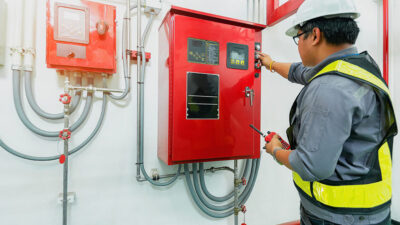
Professional diagnostic checks can help identify underlying electrical issues before they lead to unexpected breaker trips or hardware damage. Property owners who want to evaluate their panel health or schedule routine maintenance can see service details from local contractors to ensure their system remains safe and fully operational.
5. Moisture and Corrosion
Electricity and moisture are not exactly best friends. When water, humidity, or condensation enters an electrical panel, it can cause corrosion on breakers, terminals, and other metal components.
Corrosion can interfere with how a breaker connects to the panel and how reliably it responds during an electrical issue. In some cases, moisture exposure can also create rust, discoloration, or visible damage around the breaker. This is especially common in basements, garages, outdoor panels, and other damp environments.
Moisture problems are not always obvious right away. A breaker may continue working for a while before the damage becomes serious enough to cause failure. That is why any sign of water intrusion near an electrical panel should be taken seriously.
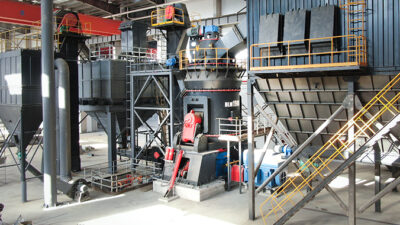
Power stability is critical when running heavy industrial equipment or large-scale mining rigs that draw continuous electrical loads. Unexpected power surges or faulty electrical components can easily trigger system shutdowns, potentially leading to equipment failure or loss of operational efficiency. Having access to a qualified 24 hour electrician Reliant Electric can help facility operators resolve urgent electrical issues quickly, ensuring that critical machinery remains safely powered and protected from unexpected outages.
6. Manufacturing Defects or Poor-Quality Components
Not every breaker failure is caused by age, overloads, or environmental damage. Sometimes, the problem starts with the breaker itself.
Manufacturing defects are not the most common cause of failure, but they can happen. A breaker may have a weak internal mechanism, faulty contacts, or other issues that prevent it from performing correctly. Poor-quality components can also wear out faster, especially under frequent use or demanding electrical conditions.
This is one reason why using properly rated, reputable electrical components matters. A circuit breaker has a serious job to do, and if it cannot respond reliably, the entire system becomes less dependable.
7. Power Surges and Electrical Faults
Power surges can be rough on electrical equipment, and circuit breakers are no exception. A surge may come from lightning, utility grid issues, faulty appliances, or sudden changes in electrical demand.
While a breaker is designed to respond to certain electrical faults, repeated surges can weaken its internal parts over time. Severe faults may even damage the breaker immediately, leaving it unable to trip or reset properly. Surge protection, regular inspections, and addressing faulty equipment can help reduce this kind of stress on your electrical system.
Don’t Let a Failing Breaker Catch You Off Guard
Circuit breakers may be small, but they carry a big responsibility. When they fail, the cause is often tied to age, overloaded circuits, short circuits, loose connections, moisture, defects, or electrical surges.
Many breaker problems show warning signs before they become major hazards. Circuit breakers are built to protect your system, but they can only do that when they are working properly.