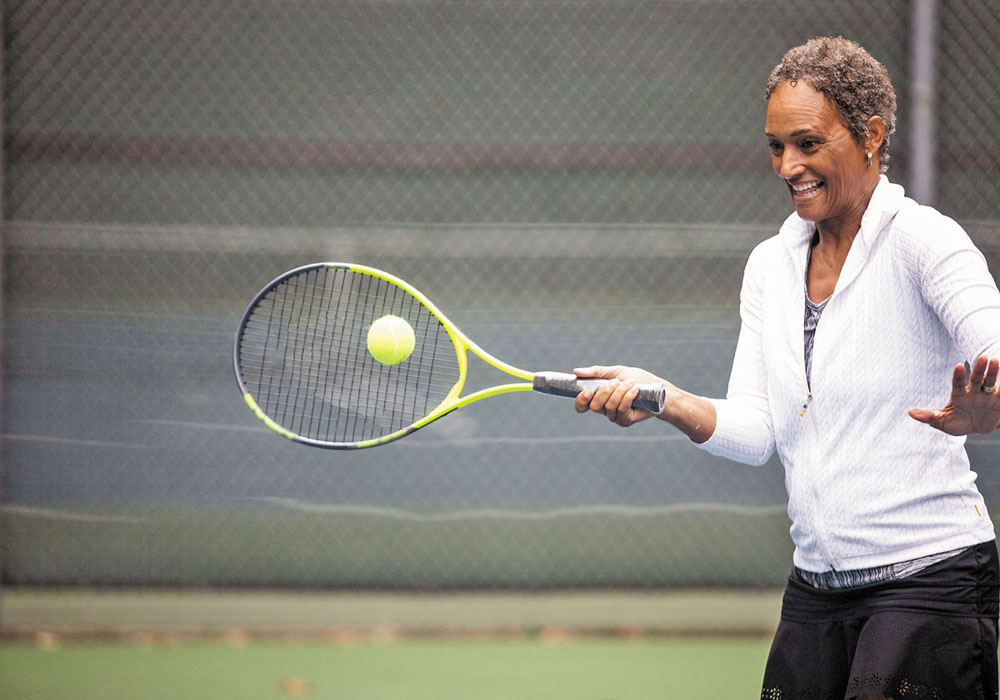
Hand-eye coordination is a valuable skill that supports everyday activities, sports, fitness, and even workplace performance. While many people associate it with childhood development, adults can continue strengthening this ability through consistent practice and intentional movement. By challenging both the mind and body with targeted exercises, you can improve reaction time, precision, balance, and overall confidence in daily tasks.
Challenge Your Reflexes With Ball Exercises
One of the simplest ways to improve hand-eye coordination is by incorporating ball-based exercises into your routine. Tossing, catching, bouncing, or tracking a moving object requires your brain to process visual information quickly while directing your hands to respond accurately. Over time, these repeated movements strengthen the communication between your eyes, brain, and muscles.
Start with basic toss-and-catch drills using a soft ball. Toss it from one hand to the other while maintaining a steady rhythm. As you become more comfortable, increase the challenge by throwing the ball higher, catching it with one hand, or bouncing it against a wall before catching it.
You can also vary the speed and direction of your throws to encourage faster reactions. Practicing for just ten to fifteen minutes several times a week can lead to noticeable improvements in coordination and confidence.
Increase Difficulty Gradually
Progressive challenges prevent your coordination exercises from becoming too easy. Stand on one leg while catching a ball, move around while tossing it, or use two balls alternately to demand greater focus. These adjustments encourage continuous improvement while keeping workouts engaging.
Practice Precision-Based Sports And Activities
Many sports naturally strengthen hand-eye coordination because they require quick decisions, accurate movements, and consistent visual tracking. Whether recreational or competitive, participating in these activities provides enjoyable ways to sharpen your skills.
Sports involving racquets, paddles, or clubs demand timing and precision while encouraging full-body movement. Even practicing swings without competition can improve body awareness and coordination. Setting up a golf simulator for home also allows adults to refine swing mechanics, improve visual tracking, and build consistent movement patterns regardless of weather conditions.
Explore Different Recreational Activities
Not every activity has to be highly competitive. Archery-inspired target games, table games involving quick reactions, or simple backyard challenges all encourage your brain and muscles to work together. Trying different activities keeps motivation high while exposing your body to new movement patterns.
Consistency matters more than intensity. Participating in enjoyable coordination-based activities several times each week creates long-term improvements while making exercise something to look forward to.
Strengthen Your Balance And Core Stability
Good hand-eye coordination relies on more than just your hands and vision. Your body’s stability plays a significant role in allowing smooth, controlled movements. A strong core helps maintain posture while enabling quicker and more precise responses during physical activity.
Exercises such as planks, side planks, bird dogs, and standing balance drills improve core engagement while developing body awareness. These movements train your muscles to stabilize your body so your arms and hands can react efficiently without unnecessary movement.
Combine Balance With Coordination
Once you’ve built a foundation, combine balance exercises with hand movements. Try standing on one foot while passing a ball between your hands or reaching toward different targets. This forces your brain to manage multiple tasks simultaneously, improving overall coordination.
Balance boards, stability cushions, or uneven surfaces can add another layer of challenge as your confidence grows. Always prioritize safety and maintain proper form throughout each exercise.
Improve Visual Tracking Skills
Your eyes provide the information your brain needs to guide movement. Strengthening visual tracking can significantly improve hand-eye coordination because it allows you to follow moving objects more efficiently and respond with greater accuracy.
Simple eye exercises can help train this skill. Follow a moving object without turning your head, shift your focus between near and distant objects, or track an object moving in different directions. These exercises strengthen the connection between vision and movement.
Reduce Visual Distractions
When practicing coordination drills, begin in a quiet environment with minimal distractions. As your skills improve, gradually introduce background movement or noise to challenge your concentration.
This progression prepares you for real-life situations where your brain must filter distractions while maintaining accurate movement.
Incorporate Functional Strength Training
Strength training contributes to better coordination by improving muscle control, stability, and movement quality. Functional exercises that mimic everyday actions help your body respond more naturally during daily activities and recreational sports.
Movements such as lunges, squats, carries, presses, and rotational exercises encourage multiple muscle groups to work together. Rather than focusing only on lifting heavier weights, prioritize smooth, controlled movement throughout each repetition.
Emphasize Controlled Movement
Perform exercises slowly before increasing speed. Controlled movement allows your nervous system to learn proper mechanics, building a stronger foundation for faster reactions later.
Combining strength with mobility exercises also improves joint function, allowing your body to move more efficiently while reducing unnecessary tension.
Build Consistency Through Daily Habits
Developing hand-eye coordination does not require lengthy training sessions every day. Small, consistent habits often produce better long-term results than occasional intense workouts.
Incorporate coordination challenges into your daily routine whenever possible. Catch objects with your non-dominant hand, practice precise movements while organizing household items, or perform short coordination drills during work breaks. These brief sessions reinforce neural pathways without requiring major schedule changes.
Sleep also plays an important role in learning new motor skills. During rest, your brain processes movement patterns practiced throughout the day, making consistent sleep an essential part of improvement. Proper hydration and balanced nutrition further support healthy nerve function and muscle performance.
Track Your Progress
Recording your practice sessions helps maintain motivation. Keep a journal of exercises completed, improvements noticed, and new challenges attempted. Small milestones encourage and make it easier to recognize steady progress over time.
Remember that coordination develops gradually. Some improvements may be subtle at first, but consistent effort often leads to better reaction time, smoother movement, and increased confidence in both recreational and everyday activities.
Conclusion
Improving hand-eye coordination as an adult is achievable through consistent practice, purposeful movement, and gradual progression. From ball drills and balance exercises to strength training and precision-based activities, every small effort strengthens the connection between your eyes, brain, and body. Stay patient, remain consistent, and you’ll build greater accuracy, confidence, and control that benefits both everyday life and physical performance.