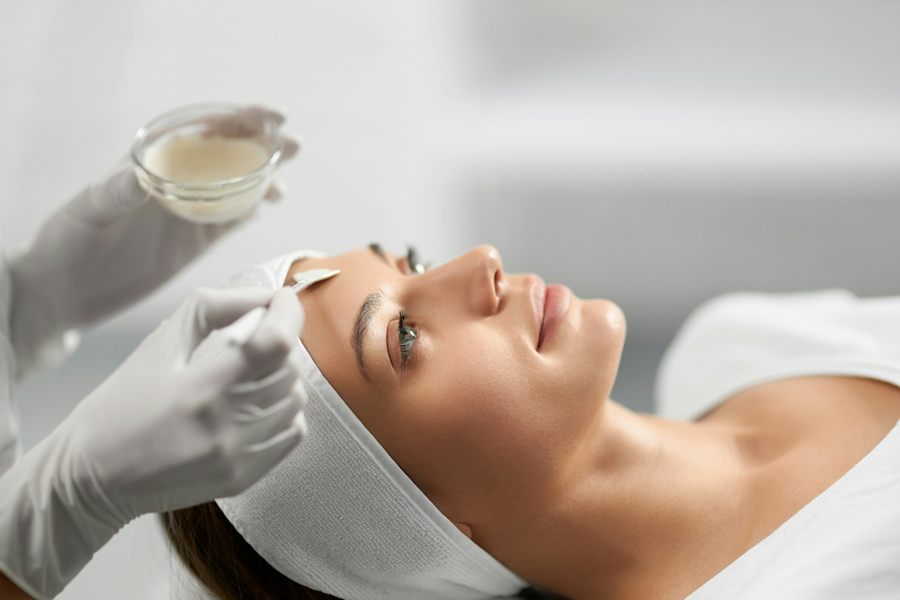
The world of medical aesthetics has shifted dramatically in the last decade. What was once a hush-hush topic discussed only behind closed doors has become a standard part of many people’s self-care and grooming routines. Whether driven by the desire to maintain a youthful glow, correct specific insecurities, or simply feel more confident in a video conference, facial enhancements are more accessible than ever before.
However, the normalization of these procedures can sometimes lead to a casual attitude toward what are, in reality, medical treatments. Deciding to alter or enhance your appearance is a personal journey that requires careful thought, research, and a clear understanding of what lies ahead. Before you commit to a procedure, it is vital to look past the trends and focus on safety, anatomy, and long-term goals. Here is a comprehensive look at what you need to know before stepping into the clinic.
1. Credentials Are More Important Than Price
In the age of discount sites and social media deals, it can be tempting to shop for aesthetic services based on the lowest price tag. However, your face is not the place to look for a bargain. The most critical factor in your decision-making process should be the qualifications and experience of the provider.
Facial anatomy is incredibly complex. A skilled injector or aesthetician understands the intricate network of nerves, blood vessels, and muscle structures beneath the skin. They know exactly where to place a product to achieve a lift without compromising safety. When researching providers, look for board-certified professionals, nurse practitioners, or physician assistants with specialized training in aesthetics. Do not hesitate to ask about their specific experience with the procedure you are interested in, and request to see a portfolio of their before-and-after work. A reputable provider will be transparent about their background and happy to show you evidence of their consistency and artistry.
2. Understand the Difference Between Relaxing and Filling
One of the most common misconceptions among first-time patients is confusing the roles of different injectables. To make an informed choice, you must understand the tools available. generally, injectables fall into two main categories: neuromodulators and dermal fillers.
Neuromodulators (often referred to by brand names) work by temporarily relaxing the muscles that cause dynamic wrinkles—the lines formed by facial expressions like frowning or squinting. If you are looking to smooth out forehead lines or crow’s feet, this is likely the route you will take. These treatments are incredibly popular nationwide. For example, patients seeking high-quality Botox in Utah often report that finding a provider who understands the nuance of muscle movement is key to avoiding a “frozen” look.
On the other hand, dermal fillers are gel-like substances used to restore lost volume, smooth deep static lines, or enhance contours like the lips and cheeks. While neuromodulators address the muscle, fillers address the structure. Knowing which concern you are trying to correct will help you have a more productive conversation during your consultation.
3. Realistic Expectations are Vital
Social media filters and heavily edited celebrity photos have skewed our perception of what is achievable through non-surgical enhancements. It is crucial to enter the process with a mindset of “improvement,” not “perfection.”
Facial enhancements are designed to refine your features and help you look like a refreshed version of yourself, not to transform you into a completely different person. During your consultation, bring reference photos, but listen closely to your provider. They will explain what is anatomically possible for your specific bone structure and skin type. Patients looking for a slimmer, more contoured lower face may be recommended buccal fat removal, a surgical procedure that removes fat pads from the cheeks to create a more sculpted appearance. If a provider promises you can mimic a celebrity’s exact jawline or lips despite having a completely different facial structure, that is a red flag. The best aesthetic outcomes are subtle; they leave people wondering why you look so well-rested, not asking who did your work.
4. Downtime is Real (Even for “Lunchtime” Procedures)
Many aesthetic treatments are marketed as “lunchtime procedures,” implying you can get treated and head straight back to the office without anyone noticing. While this is true for some minor treatments, it is not a universal rule.
Almost all facial enhancements involve some degree of biological reaction. Needles can cause bruising and swelling, and lasers can cause redness or peeling. Even a simple lip filler appointment can result in swelling that lasts for a few days. If you have a major life event coming up—like a wedding, a reunion, or a big presentation—do not schedule your first treatment the week before. Plan your appointment at least two to four weeks in advance to allow your skin to heal and the product to settle. This buffer time ensures that on your big day, you are seeing the final result, not the recovery phase.
5. Maintenance is Part of the Commitment
Facial enhancements are rarely “one and done.” Most aesthetic treatments offer temporary results that require upkeep to maintain. Neuromodulators typically last three to four months, while fillers can last anywhere from six months to two years, depending on the product and the patient’s metabolism.
Before you begin, consider the long-term financial and time commitment involved. Treating aesthetics as a long-term plan rather than a quick fix usually yields better, more natural-looking results. Many providers recommend a “pre-juvenation” approach, where smaller, preventative treatments are done over time, rather than waiting until extensive correction is needed. Discuss a long-term treatment plan with your provider to ensure it aligns with your lifestyle and budget.
Conclusion
Embarking on a journey of facial enhancement can be an empowering experience when approached with the right knowledge. By prioritizing safety, understanding the different types of treatments available, and managing your expectations regarding results and recovery, you set yourself up for a positive outcome. Remember, the goal of aesthetic medicine is to harmonize your features and boost your confidence. Take your time to research, ask questions, and partner with a professional who prioritizes your well-being just as much as your aesthetic goals.