Key Takeaways
- Recognize common household pests and understand the risks they bring.
- Apply preventive strategies to keep pests from entering your home.
- Use practical solutions for dealing with existing pest problems promptly.
Dealing with household pests is a common concern for many homeowners. Learning how to handle these unwelcome invaders can help you protect your home and family. Whether you’re dealing with ants in the kitchen, cockroaches in the bathroom, or rodents in the attic, understanding the kinds of pests that may invade your living space and the best ways to prevent and deal with them can make the difference between ongoing trouble and a comfortable, pest-free environment. Many homeowners in Northern Ontario rely on comprehensive pest control programs in Sudbury for year-round protection against ongoing pest challenges and to secure their homes throughout each season. Pest problems start small but can escalate quickly if not addressed with effective measures. Knowing which pests are likely to invade, the risks they pose, and practical prevention and management techniques is essential to safeguard your home. Addressing pest entry points and understanding their habits can help you minimize the likelihood of a recurring infestation.
Common Household Pests and Their Risks
Several types of pests are commonly found indoors, each with its own risks and challenges Mckinney TX Management. Among the most common are ants, cockroaches, and rodents. Each of these pests can damage your property, contaminate food sources, and, in some cases, impact your health.
Ants
Ants are persistent and highly organized insects that may invade any area where food or moisture is readily accessible. Kitchens and pantries are particularly attractive to them. While ants are mostly just a nuisance, some species can contaminate food and even damage building materials, such as wood. Minimizing an ant infestation requires sealing entry points, such as cracks in walls or around windows, and keeping food tightly sealed. Some homeowners use natural deterrents like peppermint oil or cinnamon, while bait stations with slow-acting poison are effective for attacking colonies at the source.
Cockroaches
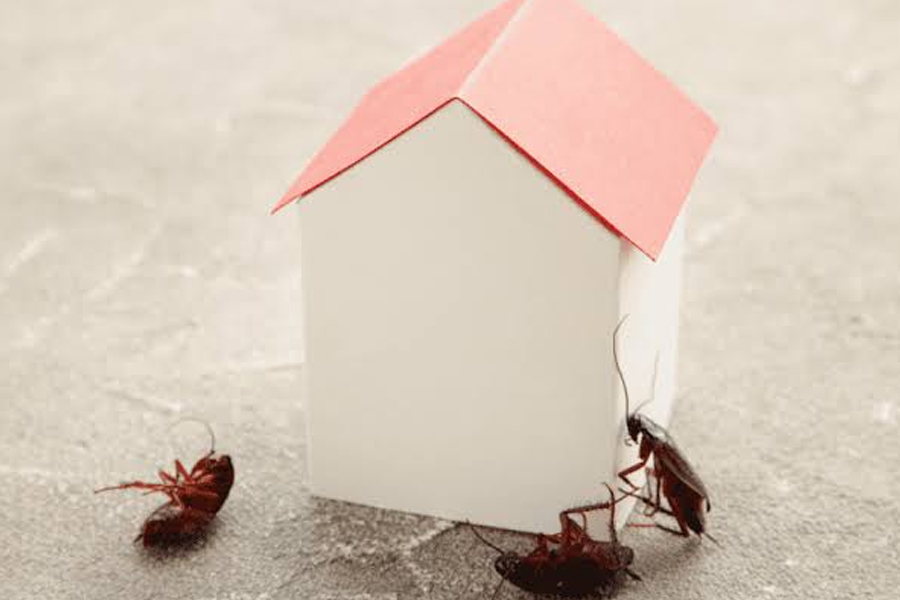
Cockroaches thrive in warm, humid environments and are notorious for their resilience. These pests do not just contaminate your food; they also spread bacteria and allergens that can cause respiratory problems, especially in children and sensitive individuals. Controlling a cockroach problem means acting swiftly: eliminate food and water sources, clean up any crumbs or spills promptly, and use gel-based baits or traps to address the problem at its root. Any sign of cockroach activity should be taken seriously, as a single sighting often indicates a larger, hidden population.
Rodents
Mice and rats pose significant health and property risks. They can chew through insulation, electrical wiring, and even wooden structures, creating fire hazards and costly repairs. In addition to property damage, rodents can spread diseases through their droppings and urine. Preventing rodent entry requires close attention to gaps around pipes, vents, and foundations. Traps and bait stations are useful management tools, but cleanliness and exclusion are crucial to long-term control.
Preventive Measures
Once pests infiltrate a home, eliminating them can be a challenge. Prevention, therefore, is always more effective and less stressful than elimination. Consider the strategies below to minimize your risks of an infestation.
- Seal Entry Points:Inspect your home for cracks, crevices, and gaps, especially near windows, doors, and where utilities enter. Sealing these with caulk or weather-stripping blocks access for small pests.
- Maintain Cleanliness:Sweep and mop floors often, wipe down surfaces, and keep food sealed in containers. Avoid leaving dirty dishes or pet food out overnight.
- Eliminate Moisture:Address any leaky pipes, repair dripping faucets, and make sure the basement and crawl spaces stay dry. Many pests are drawn by moisture as much as by food.
- Proper Landscaping:Trim shrubs and tree branches away from your home and store firewood or yard debris at least 20 feet from the house to avoid providing shelter for pests.
Practical Solutions for Existing Infestations
Even after taking preventive action, pests sometimes gain a foothold. When that happens, prompt intervention is vital. Depending on the severity of your problem, try do-it-yourself methods or seek professional help.
DIY Methods
- Ants:Place bait stations where ants are seen most frequently. Avoid ant sprays that may disperse the colony, worsening the problem.
- Cockroaches:Deploy gel baits in strategic locations. Be sure to remove water sources and vacuum regularly to limit food crumbs.
- Rodents:Set traps along baseboards or near nests and monitor them daily. Clean up areas where droppings are found and remove sources of food.
Professional Assistance
Severe or persistent pest issues can often require professional intervention. Licensed pest control services assess the extent of the problem, use targeted treatments, and offer advice for keeping pests out for good. This is especially critical for large rodent populations or repeat infestations where DIY solutions have failed to address the problem. Professional services also use equipment and chemicals unavailable to the general public and follow strict safety protocols to protect people and pets.
Conclusion
Effectively managing household pests requires a proactive approach that combines prevention, routine maintenance, and practical treatment strategies. By identifying common pests early and responding quickly with appropriate control methods, homeowners can prevent minor issues from developing into costly infestations. Regular cleaning, sealing entry points, eliminating excess moisture, and storing food properly all play an important role in reducing the conditions that attract pests. Seasonal inspections and consistent home maintenance can further strengthen your defenses year-round. When infestations become difficult to control or involve persistent pests, professional pest control services can provide targeted and effective solutions. Investing time and effort in prevention today often saves money, reduces stress, and minimizes property damage in the future while creating a safer, healthier, and more comfortable living environment for everyone in your home.