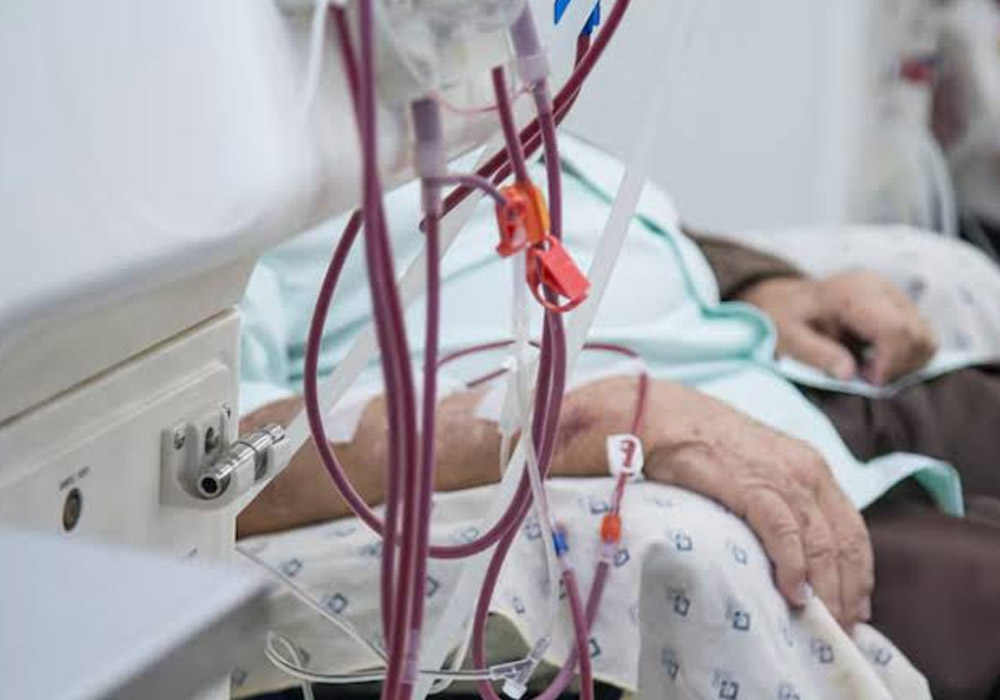
A pre-owned dialysis unit can be a practical choice for a clinic that needs dependable equipment and sensible cost control. The decision still deserves care, because this machine supports treatments that require precision, comfort, and steady performance. A clear review helps the buyer see how well the unit fits daily patient care.
Clinics often search for a dialysis machine for sale when they plan to expand capacity or replace older equipment. The best option should match treatment needs, staff skills, space, and maintenance support. Before choosing a pre-owned unit, several features deserve a close look.
Overall Condition And Usage History
The physical condition of the machine gives the first useful clue. Check the screen, keypad, wheels, casing, clamps, pump section, and connection points. A clean and well-kept unit usually shows careful handling.
Usage history matters because dialysis equipment works through many treatment cycles. Ask for total operating hours, past repairs, calibration records, and inspection reports. These details show how the machine has performed over time.
Treatment Features And Clinical Needs
Each dialysis unit supports specific treatment functions. The buyer should review blood flow range, ultrafiltration control, dialysate conductivity, sodium profiling, bicarbonate settings, and available therapy options. These features should match the treatments offered in the facility.
Clinical fit also depends on patient volume and staff routine. A machine with familiar controls, venous pressure monitoring, arterial pressure tracking, and transmembrane pressure readings can reduce training pressure. A clear interface helps nurses check values fast during treatment. The right setup also helps the team keep each session organized and calm.
Safety Systems And Alarm Response
Safety features need careful attention because they guide staff during every session. Pressure alarms, air detection, temperature checks, and blood leak alerts should work smoothly. Each alert should sound clearly and appear on the display.
A good monitoring system helps staff respond at the right moment. The screen should show important readings in simple terms. Clear data supports steady care and helps reduce confusion during busy shifts.
Parts Access And Service Support
A pre-owned unit should have parts that technicians can still source. Common items include sensors, pumps, seals, filters, valves, and tubing connectors. Easy parts access keeps service work simple.
Service support also affects daily use. A qualified technician should inspect the unit before purchase and after installation. Regular maintenance helps the machine stay reliable during patient care.
Installation Needs And Facility Fit
Dialysis machines need the right setup before use. The clinic should check water treatment compatibility, electrical needs, drainage, space, and ventilation. These details help prevent delays during installation. Proper planning also supports a smooth start of clinical use without interruptions.
Facility fit also includes staff movement around the machine. Nurses need room to reach the patient, supplies, and controls. A unit that fits the space well can make each treatment session smoother. This setup also helps maintain clear access during urgent care moments.
A pre-owned dialysis unit should be reviewed with care, patience, and practical checks.
The search for a dialysis machine for sale should include condition, history, treatment features, safety systems, parts access, and facility fit. Each point affects patient care in a direct way. A clear checklist helps clinics choose equipment that supports staff and patients well. The right machine should feel dependable from the first setup to daily use.