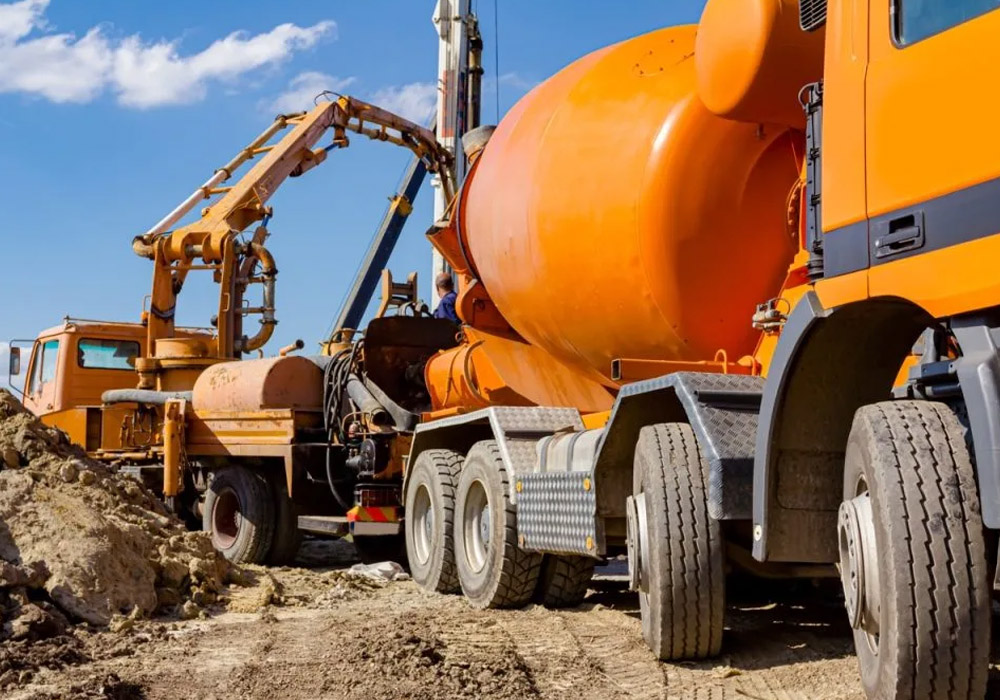
Construction sites can collect slurry, mud, water, and debris in hard-to-reach areas. This waste may slow work, block access, and add extra labor. A vacuum truck removes liquid and semi-solid material through controlled suction. This article discusses the key signs that show when such equipment may suit a cleanup task.
Check the Waste On-site
A vacuum truck suits water, sludge, slurry, or fine debris inside pits and drains. For example, a site manager may get a quote from Keevac or other services for this type of waste. Dry timber, clean concrete, and general trash may suit bins or loaders. The waste type should guide the final choice.
Thick mud can overwhelm pumps designed for water alone. Fine particles may also settle inside basins, trenches, and utility holes. Vacuum pressure helps remove material from these confined spaces. Tank size matters because both volume and weight affect each load.
Assess Access and Site Limits
Space can decide which cleanup method works best. A hose can reach areas with little room for loaders or workers. The truck may remain on stable ground while the hose reaches the waste. This setup aids cleanup near foundations, narrow lanes, and fenced zones.
The distance between the truck and debris also deserves review. Long hose runs can reduce suction force and job speed. Ground strength, overhead clearance, and traffic flow require checks. A supervisor should confirm these details with the service provider.
Check Labor, Time, and Cost
Manual cleanup may seem cheaper, yet wet debris can demand significant labor. A vacuum truck can collect and contain waste in one process. This may help improve crew use near pits, drains, or slurry zones. Cost depends on volume, disposal fees, truck time, and travel.
Questions for a Fair Cost Check
- What type of material must leave the site?
- How much waste is present?
- How far must the hose reach?
- Where can each load be discharged?
Clear answers help providers suggest a suitable truck and tank. They may also reduce extra trips or disposal delays. A site review adds useful detail to the estimate. It also helps crews compare vacuum service with manual cleanup.
Review Safety and Disposal Needs
Wet waste can hide sharp objects, unstable ground, or contaminated material. A vacuum hose limits direct contact and keeps debris inside a sealed tank. It does not replace barriers, protective gear, or trained operators. Site rules must still cover truck placement and hose control.
Disposal rules vary by material and local authority. Concrete washout, sewage, stormwater, and tainted soil may need separate treatment. For example, a project lead may get a quote from Keevac after confirming the waste type and approved disposal point. The request should clearly state what the material contains.
Decide When the Truck Adds Value
A vacuum truck may suit sites with slurry, blocked drains, or limited access. It can support cleanup after excavation, utility work, concrete cuts, or storms. A small amount of dry debris rarely calls for the same response. Volume and cleanup frequency should shape the decision.
Rental or contract service may suit a short project. Ownership may fit firms with steady demand across several sites. Maintenance, operator skill, tank size, and disposal access affect that choice. A direct cost review gives the clearest answer.
A vacuum truck is most useful when wet or trapped waste puts strain on basic cleanup methods. It adds less value when standard equipment can remove light, dry debris with ease. The strongest decision comes from checking the material, access, disposal rules, and total volume. When those factors point to suction-based removal, a vacuum truck becomes a practical site tool instead of an unnecessary expense.