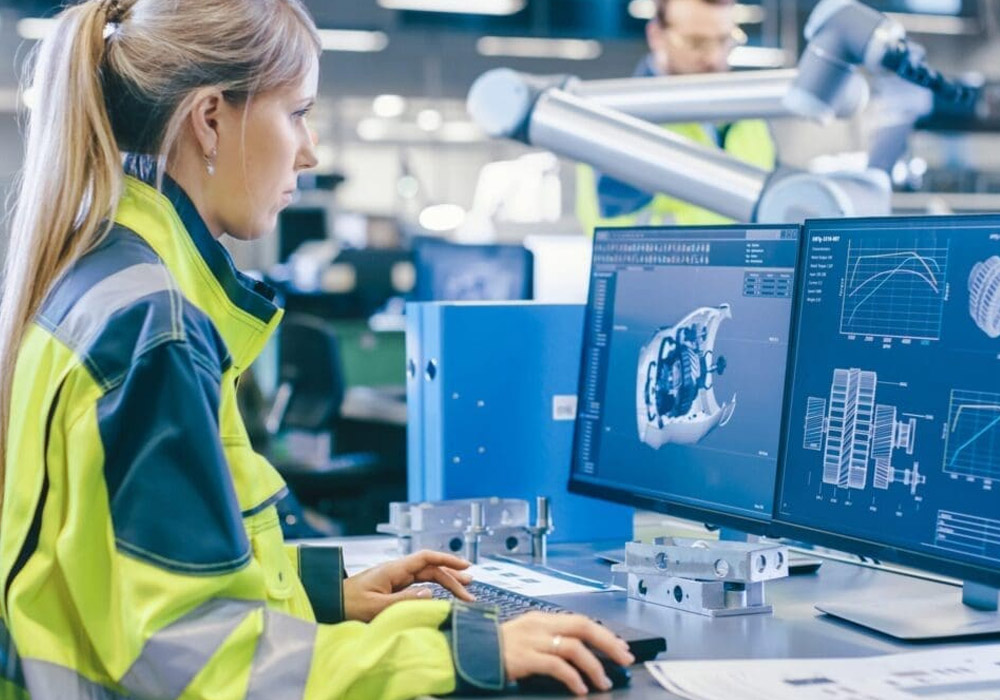
The construction industry is currently experiencing rapid evolution, largely spurred by technological advancements that are transforming efficiency, safety, and sustainability on a grand scale. Groundbreaking changes are not only improving how projects are designed and delivered but are also shaping the very future of the built environment. Companies and professionals, such as those at Tutor Perini, are at the forefront of this technological revolution, embracing tools that fundamentally change traditional workflows and expectations.
From robots assembling walls to intelligent software forecasting issues before they arise, the spectrum of innovations spans from material breakthroughs to digital solutions. With these advances, firms are adapting to new market demands for faster timelines, safer jobsites, and environmentally responsible practices. The integration of these technologies is not a choice but a necessity for those aiming to thrive in an increasingly competitive environment.
The following sections explore the most influential technological trends shaping construction, each contributing unique benefits and challenges. As the industry redefines its standards, understanding these developments has become essential for professionals and stakeholders eager to stay ahead.
In the chapters below, you will discover how tools like 3D printing, robotics, artificial intelligence, and sustainable building materials are collectively pushing boundaries, making complex projects more achievable and resilient than ever before. Leaders who embrace these changes are setting new benchmarks for innovation and excellence within construction.
3D Printing in Construction
The construction sector is experiencing a significant boost in efficiency and scalability thanks to 3D printing. In areas like Texas, entire neighborhoods are being built with large robotic printers that lay down concrete and other materials with remarkable precision. This innovative method is greatly reducing the time and labor needed to construct homes, while also lowering overall project costs. These initiatives demonstrate how 3D printing technology not only speeds up construction but also enables the creation of intricate, creative architectural designs that were previously too costly or challenging to achieve with traditional construction methods.
Artificial Intelligence on the Jobsite
The infusion of artificial intelligence into construction projects is driving smarter decision-making and tighter project controls. AI-driven systems process data from sensors, plans, and schedules to help managers anticipate delays and prevent costly errors. Companies are embedding AI specialists directly on worksites to analyze real-time data, reducing rework and improving delivery timelines. By harnessing the predictive power of machine learning, firms can streamline every phase of a project’s lifecycle, from planning and procurement to construction and closeout.
Robotics and Automation
Construction robotics is taking on tasks traditionally handled by human workers, such as bricklaying, welding, or assembling structural components. These machines increase consistency and allow teams to tackle extensive or hazardous assignments with reduced risk. Automation is also facilitating experimentation with new materials and construction methods, creating opportunities for architects and engineers to achieve enhanced durability and efficiency in their designs. The ongoing integration of robotics is also expanding career prospects for workers skilled in programming and machine maintenance.
Modular and Prefabricated Construction
By assembling building elements off-site in climate-controlled factories, modular and prefabricated construction methods offer significant advantages. Components are shipped to the jobsite and assembled rapidly, minimizing weather-related delays and material waste. This approach delivers more predictable scheduling and higher-quality results. For example, traditional on-site challenges, such as labor shortages or site safety concerns, can be greatly reduced when work is completed in factory settings.
Building Information Modeling (BIM)
Building Information Modeling has become a standard across leading construction firms. This sophisticated digital tool provides a full virtual representation of a facility’s physical and functional characteristics. BIM enables architects, engineers, and contractors to collaborate more transparently, preventing miscommunication and costly design errors. Accurate modeling streamlines project approvals, reduces change orders, and enhances long-term facility management once a project is operational. This level of detail enables better resource planning and allows everyone involved to visualize the end result long before ground is broken.
Drones and Aerial Surveillance
Drones have quickly gained a critical foothold in construction, offering site mapping, progress monitoring, and safety inspections from the sky. These aerial tools rapidly gather images and data across vast sites, allowing project managers to identify hazards and track milestones without putting themselves in dangerous situations. The use of drone technology also aids in documenting progress for stakeholders and providing critical oversight that can help keep teams accountable to deadlines and budgets.
Sustainable Materials and Practices
Innovations in sustainable construction materials and practices are paving the way for eco-conscious buildings. Products like self-healing concrete, which repairs its own cracks through embedded bacteria or chemical agents, and energy-efficient insulation systems are helping minimize the industry’s environmental footprint. These green approaches are crucial as stricter regulations and client demand for sustainable projects grow. New developments continue to emerge, from reducing concrete emissions to integrating recycled materials, all of which contribute to a greener industry that aligns with global environmental goals. Studies by Tom’s Hardware further illustrate the promising future of self-healing materials in sustainable design.
Conclusion
The construction industry stands at the threshold of unprecedented change, empowered by an array of technologies that foster safer, faster, and more sustainable progress. As leaders adopt tools like 3D printing, AI, robotics, modular construction, BIM, drones, and advanced materials, they not only improve project outcomes but also contribute to the long-term resilience and quality of the built world. Staying informed about these innovations is vital for companies and individuals who seek to remain relevant and competitive in this constantly evolving landscape.