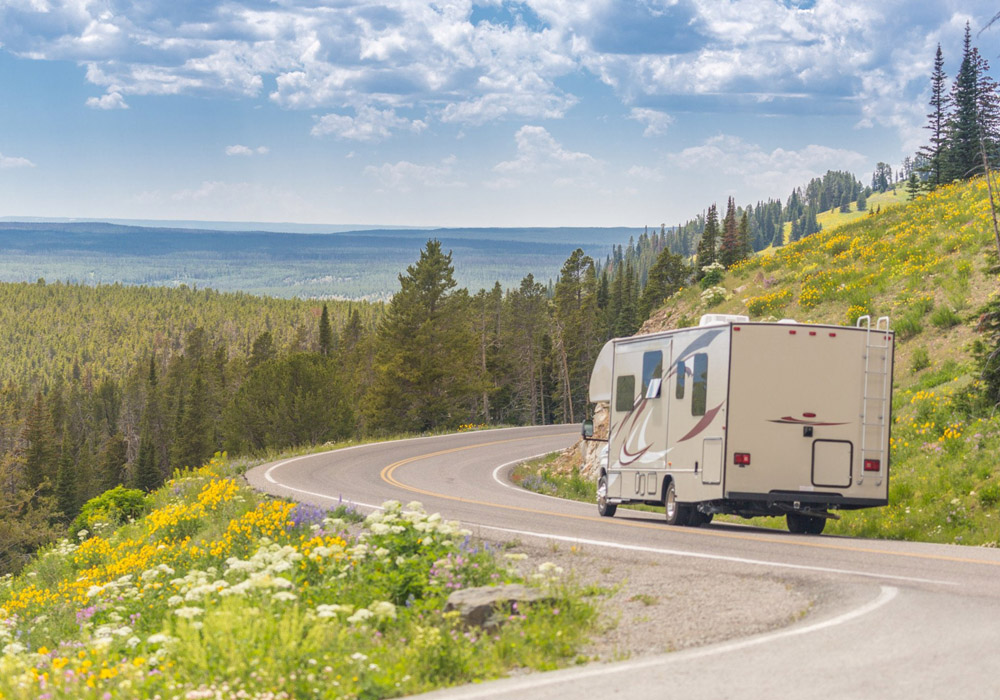
The caravan and camping industry now injects more than $20 billion a year into the Australian economy (Caravan Industry Association of Australia), and rightly so. But while the rest of the world is increasingly moving towards a life unattached to a fixed address, it’s sometimes easy to overlook the nitty-gritty details of actually making it happen.
The Budget Will Blow Out, and That’s Normal
Most people underestimate the cost of full-time road living. The reality is 20 to 40% more than you think, and it’s not because of a single item. It’s the fuel (especially diesel if you’re hauling), ongoing maintenance, and campgrounds that exceed the aggregate of zero-dollar remote nights in your dreams.
The solution is simple but unpalatable for those planning their escape. You must build a “get me home” fund into your budget and vow not to access it except in the case of true emergency. If present tracking shows you already go over budget, requiring three months to scrape that together, there’s only one fix. You must face the fact your outgo exceeds your incomings and that leaving will make it worse.
Then you should account weekly rather than monthly from day one on the road. That way you spot the one or two times a month when you make the decisions that hurt most – all those little increases in your total. The additional $10 for dumping your tanks, the exorbitant petrol at stations in hills and sticks, the “just this once” night at a luxury caravan park. The quicker it becomes a week that you’re over, not a month, the better your chances.
Downsizing Hits Harder Than The Packing List Suggests
When it comes to downsizing, people assume it’s merely a matter of selecting things in your life that you can live without. But the process is emotional, challenging and overwhelming – not to mention an art form. It’s not only about choosing what to take or what to leave behind.
It requires evaluating the meaning behind every item you own, and whether those items add value to your life. Downsizing means taking an introspective look at yourself and figuring out what truly makes you happy. From there, you’re then faced with the grueling task of compartmentalizing the things that give you joy and deciding what to do with what doesn’t.
Living In Close Quarters Tests Relationships You Thought Were Solid
Couples who’ve never spent 24 hours a day together for weeks on end tend to hit friction by around week three. It’s not usually one big argument. It’s small irritations compounding in a space with nowhere to retreat to.
Deal with this before you leave, not after the first blow-up. Agree on a conflict-resolution approach in advance – who gets the final call on route decisions, how you’ll handle disagreements without an audience of strangers at the next site over. Schedule solo time deliberately, even if it’s just one person taking a walk while the other stays with the van. Shared quiet time matters too. Not every hour on the road needs to be a shared activity.
Remote Work Sounds Simple Until The First Bad-Signal Week
The best-laid plans often go awry. Let’s admit it: “I’ll just work from the road” is the first idea to fall by the wayside. Many national parks and campgrounds have no cell service, and when you find yourself in the virtual office without the virtual bars for the first time, reality sets in.
So, prepare for the worst. Pack a couple of SIMs, ideally from different carriers. Since dead zones don’t overlap, this is your best insurance that at least one will work. Keep local copies of your current projects on your device. If you can’t connect, you can’t work on the cloud. Finally, remember this when planning your itinerary: It’s much simpler to find a cell signal in a town than in a canyon.
Your Camper Becomes A Mechanical Project, Whether You Wanted One Or Not
This is the challenge that catches the most people off guard, and it’s the one that ends full-time trips early more than any other. A breakdown at home is an inconvenience. A breakdown three hours from the nearest town, with no phone signal and a trailer full of your entire life, is a multi-day logistical event involving tow trucks, accommodation, and a lot of waiting around.
Basic mechanical literacy stops being optional. Learn to check your own bearings, tyres, and electrical connections before every leg of a trip, not just when something sounds wrong. Carry a proper spares kit – not just a spare tyre, but the fuses, hoses, and fittings that actually fail on the road. And check the fine print on your roadside assistance, because plenty of standard policies quietly exclude camper trailers once you’re outside metropolitan zones, which is exactly where you’ll need them most.
Choosing a well-engineered camper from the outset, like the range from Austrack Campers, doesn’t eliminate the learning curve but it removes the constant mechanical uncertainty that forces so many new full-timers off the road. Build quality isn’t a nice-to-have here. It’s the difference between minor upkeep and a trip-ending failure two hundred kilometres from anywhere.
Health Care Doesn’t Pause Just Because You’re Moving
Medications, doctor visits, and rescheduled checkups aren’t magically handled, and this is often where a lot of new adventurers stumble. You can’t “just slip in” to your local GP when you’re 500 miles away and out of your meds.
Do the work before you go. Get a three- to six-month supply of any regular meds if you can, but if it’s unavoidable and you need to renew on the road, scout telehealth services and make sure your doctors are available that way. Routine visits can be booked in while you’re still home, saving a lot of stress if you’re searching for a doc in an emergency. Know where the nearest med centers are along your general route if you’re someone with a condition they’re managing.
Paperwork Keeps Arriving Even When You Don’t Have An Address
Registration renewals, insurance notification dates, banking notices, tax deadlines, you name it – none of it stops whether you’re still using a mailbox as your primary form of communication or not. Missing a registration because it was sent to an address you vacated three months earlier is a painfully normal way new full-timers get caught.
Before you even embark from your sticks and bricks, set up a mail forwarding plan and be aware of what mail you might still receive there and how you’ll receive it while you’re on the road. Then, it’s all about timely notifications. We live by a specially dedicated calendar to keep on top of all this entropic insanity and we get notification emails for bills all set 4-6 weeks before they’re due. Just mentally note that it’s often far easier to extend a payment to a new address than it is to one you left behind.
The Novelty Wears Off Around Month Four
The early weeks are exciting almost by default. New places, new views, the freedom of not having anywhere you have to be. Then, usually somewhere around the 100-day mark, the novelty fades and the absence of a stable local network becomes a real weight rather than an abstract concern.
This is manageable, but it takes more effort than you might expect to need. Caravan park social events are worth going to even when you’re tired and would rather stay in. Meetup-style camp apps that connect fellow travelers are actually useful, and not just marketing gimmicks. Build a group chat of fellow travelers before you even leave home, so you’re not starting your social network from zero once you’re already isolated and missing familiar faces.
Safety Habits Need To Be Rebuilt For A Moving Home
Your home now sits in a different, unfamiliar location every few days, which means the safety habits you had at a fixed address don’t automatically transfer. Read campsite reviews before you arrive, not just for scenery but for safety notes from other travelers. Build a lock-up routine you follow every single time you leave the site, and never leave valuables visible through windows when the camper’s sitting unattended. It sounds obvious written down. It’s the first thing people forget when they’re tired after a long drive.
“Forever” Was Never The Actual Goal
One of the most liberating exercises you can do before you depart is to acknowledge you’re under no obligation to leave forever. Plan for your re-entry in advance – a place to crash for a bit and store treasured stuff, a financial cushion that lets you come back home without fear, and the explicit understanding that culture shock is a two-way street and you will almost certainly look a little weird to people when you return from the sojourn of your life.
Ironically, making the decision in advance that this trip is X months, taking it week by week, is likely to produce a more enjoyable and less stressful trip, because you won’t be so tempted to measure and compare. You stop treating every hard week as a referendum on whether the lifestyle is “working” and start treating it as one stretch of a longer, adjustable plan.
This isn’t meant to be discouraging. This is meant to be realistic, because the people who enjoy long-term travel the most aren’t the people who were the most starry-eyed about it beforehand. They’re the people who prepared for the breakdowns, the dislocated weeks, and the paperwork, and made sure they could handle all three without the whole thing collapsing.