John Timothy Jackson has spent more than two decades designing secure, high-performance network infrastructures for telecommunications and wireless carriers. As founder and principal engineer of Nyetvork Corp in Vancouver, British Columbia, John Timothy Jackson oversees network design and development projects for tier-one carriers, vendors, and enterprise organizations. Earlier in his career, he served as an IP architect at AT&T Wireless, where he helped engineer core transport and virtualized service networks, and as a senior network architect at Rogers, where he focused on network segmentation design. He also gained experience as a senior engineer at Juniper Networks and began his career at Terabeam Networks. A McMaster University economics graduate and Cisco Certified Internetwork Expert in routing and switching, Jackson brings firsthand expertise to the discussion of how network segmentation strengthens cybersecurity defenses in increasingly interconnected digital environments.
Modern organizations depend on digital technologies, making the protection of network infrastructure a vital task. Network segmentation is one piece of the puzzle.
Cyberattacks have become increasingly sophisticated and frequent, targeting organizations regardless of their size or industry. Consistent ransomware attacks, insider threats, supply chain compromises, and data breaches have shown that traditional perimeter-based security models are not sufficient.
Modern networks are interconnected environments that include remote users, mobile devices, internet of things (IoTs) devices, third-party vendors, mobile devices, remote users, and other applications that consistently exchange information. Although network connectivity facilitates innovation and operational efficiency, it might give cybercriminals a larger surface area to attack networks. It makes network segmentation an important strategy for reducing network vulnerability.
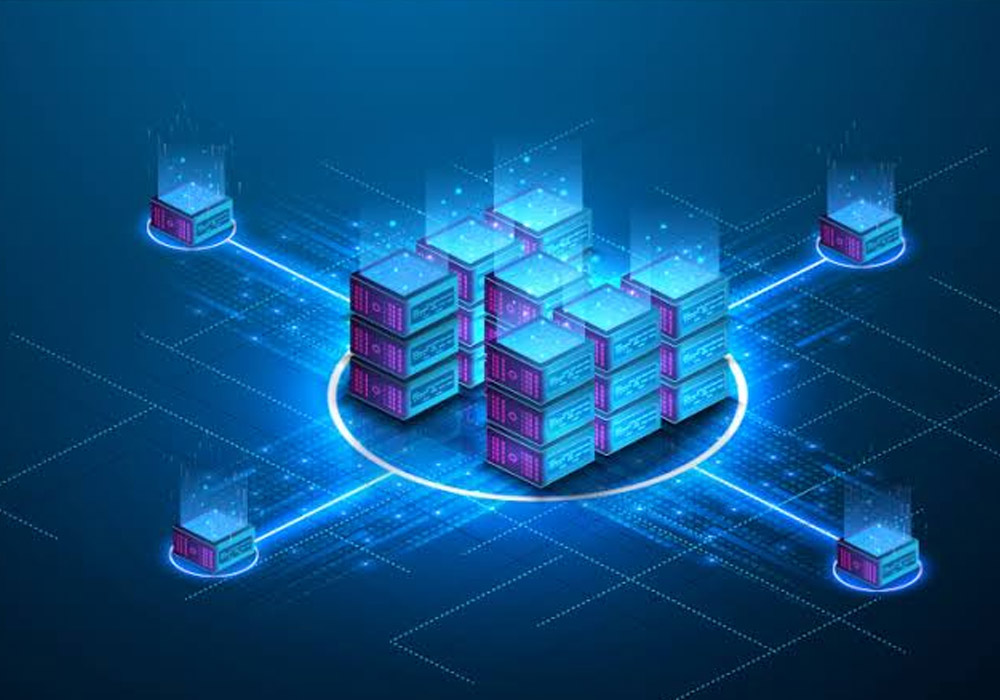
Dividing networks into smaller, isolated segments can help organizations better control access to resources, reduce the spread of cyber threats, and improve overall security management. Network segmentation refers to the process of dividing a larger computer network into smaller or separate sections and segments.
In network segmentation, segments operate as their own control environment and often have access controls, security policies, user permissions, and monitoring requirements. Communication between segments is typically managed and controlled by technologies such as firewalls, access control lists, software-defined networking, network access control systems, and virtual LANs (VLANs). Segmentation often creates security boundaries that reduce unnecessary communication while improving visibility across the networks.
Traditional flat networks are risky because they allow devices to communicate freely with one another. While this facilitates administrative convenience, it also comes with security risks.
For instance, if an attacker compromises one system, they may be able to move laterally across other devices on the network. They may also be able to access sensitive systems, deploy ransomware, and disrupt business operations.
Next, network segmentation contains cyberattacks and limits their impact. When an organization experiences a security breach, segmentation helps isolate compromised systems and prevents threats from spreading throughout the entire network.
It reduces opportunities for malware propagation, limits an attacker’s ability to move laterally, and protects critical assets from further compromise. For example, if ransomware infects one department, a properly segmented network can prevent the attack from reaching financial systems, customer databases, or operational environments.
Additionally, network segmentation strengthens access control by ensuring that users and devices can access only the resources necessary to perform their specific functions. Through segmentation, organizations can create separate environments for departments such as human resources, finance, executive leadership, and software development, as well as for guest users and external partners.
By restricting unnecessary access, companies reduce the risk of unauthorized activity, insider threats, and external attacks that exploit excessive user permissions. Protecting sensitive information is another major advantage of network segmentation.
Modern organizations store vast amounts of confidential data, including financial records, customer information, healthcare data, intellectual property, trade secrets, and employee records. Segmentation adds an important layer of defense by isolating these critical assets from the rest of the network.
Even if an attacker successfully gains access to one segment, properly designed controls can prevent access to sensitive information stored in other areas.
Lastly, network segmentation supports regulatory compliance and strengthens overall governance practices. Many industry regulations and security frameworks require organizations to implement controls that restrict access to sensitive information and reduce cybersecurity risks.
Segmentation helps organizations meet these requirements by limiting access to regulated data, simplifying audit processes, and demonstrating that appropriate security measures are in place.
About John Timothy Jackson
John Timothy Jackson is the founder and principal engineer of Nyetvork Corp, a Vancouver, British Columbia-based firm delivering network design and development solutions for enterprise and carrier networks. He previously served as an IP architect with AT&T Wireless, a senior network architect with Rogers focused on network segmentation, and a senior engineer with Juniper Networks overseeing carrier network sales and engineering. Jackson began his career at Terabeam Networks developing IP/MPLS-based transport networks. A McMaster University economics graduate, he holds Cisco Certified Internetwork Expert (CCIE) certification in routing and switching.