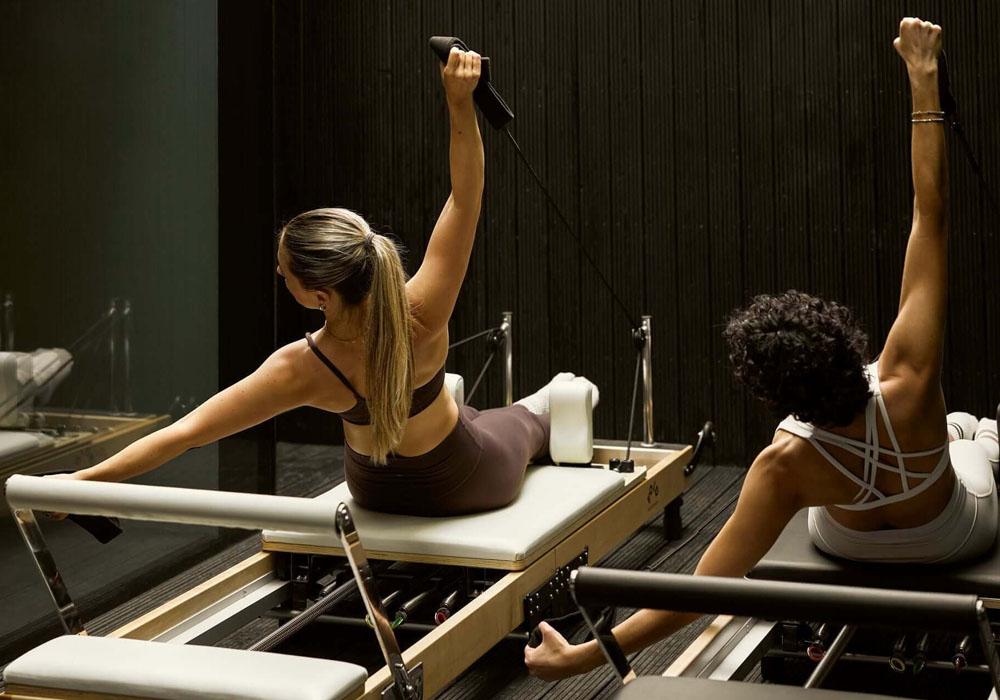
For Pilates studios aiming to offer high-quality exercise experiences, selecting the appropriate equipment is crucial. Among the various apparatus, the reformer is foundational to Pilates practice. It allows users to perform a broad range of exercises, targeting flexibility, strength, and balance. When it comes to fit for purpose and durability, the choice of a commercial Pilates reformer directly impacts client satisfaction and business success.
Understanding the Role of a Commercial Pilates Reformer
A commercial Pilates reformer is specifically designed to withstand frequent and intensive use in a studio environment. Unlike home exercise equipment, these reformers require superior construction, safety features, and versatility. Studios must provide equipment that accommodates different body types, fitness levels, and allows for instructor-led modifications.
Key Features to Consider
When selecting a reformer for commercial use, several critical features should be evaluated. Firstly, the frame material is important. Solid hardwood or aluminium frames are common because they combine durability with an aesthetic appeal suitable for a professional studio. Stability must also be assured to ensure safety during dynamic Pilates movements.
The carriage system, which provides the sliding platform for exercises, should operate smoothly with well-maintained wheels and rails. Resistance springs must be easily adjustable to vary workout intensity and accommodate users’ differing abilities.
Size and Space Considerations
Studios need to consider the dimensions of the reformer in relation to their available space. The equipment must be large enough to support a full range of exercises but compact enough to fit comfortably within the studio. Additionally, some commercial reformers offer foldable or mobile features, facilitating storage or studio reconfiguration.
Safety and Comfort Features
Commercial reformers should prioritise user comfort and safety. Padded shoulder rests, adjustable headrests, and comfortable foot bars help accommodate various user needs. Non-slip surfaces and secure attachments prevent injuries during use. Since the reformer will be used by numerous clients daily, hygiene and easy maintenance are also important factors.
Material Quality and Warranty
High-grade materials make a significant difference in the longevity and performance of a commercial Pilates reformer. Hardwood such as maple or beech is common, offering both robustness and a professional finish. Aluminium-based frames are lightweight yet durable, suitable for studios requiring easy equipment mobility.
It is recommended that studios select reformers covered by comprehensive warranties. This safeguards the investment against manufacturing defects and ensures ongoing support for repairs or replacements, ultimately reducing downtime.
Customisation Options
While many commercial reformers come with standard configurations, some manufacturers offer customised options. These can include alternative upholstery colours, additional accessories, or even specialised modifications for specific rehabilitation needs.
Customisation allows studios to create a distinct environment aligned with their brand image and client expectations, enhancing the overall user experience.
Considering Clientele Needs
Studios should analyse their target clientele when selecting reformers. For example, a studio focusing on rehabilitation clients may require reformers equipped with more specialised attachments to assist with recovery exercises. Conversely, a studio centred on athletic conditioning might prioritise models that support high resistance levels and dynamic movements.
Instructor Requirements
It is important to consult with Pilates instructors who will be using the equipment regularly. Their insights regarding functionality, ease of adjustment, and exercise variety can inform a choice that enhances teaching efficiency and client outcomes.
Budget Allocation
Investment in quality commercial Pilates reformers requires balancing initial costs with long-term value. Cheaper models may incur higher maintenance or replacement expenses. Selecting a reputable supplier known for durable equipment and responsive service can mitigate these risks.
Reputation and Supplier Support
Choosing a supplier with a proven track record in the Pilates industry ensures access to expert advice and reliable after-sales service. This includes assistance with assembly, maintenance, and possible upgrades over time.
For studios looking for quality options and professional guidance, commercial pilates reformer suppliers offer a range of suitable equipment designed specifically for rigorous studio demands.
Summary
The decision to select the best commercial Pilates reformer involves a careful evaluation of durability, safety, adaptability, client needs, and budget. High-quality reformers elevate the quality of Pilates sessions, improve client satisfaction, and further studio reputation in a competitive market. Studios should undertake thorough research, seek expert advice, and consider equipment that combines robust construction with functional design for optimal results.
Conclusion
Investing in a commercial Pilates reformer is a crucial step for any studio planning to deliver professional Pilates instruction. By prioritising durable materials, user comfort, adjustability, and supplier support, studios can ensure their equipment meets the diverse demands of their clientele and instructors alike. Incorporating feedback from instructors and understanding client profiles will guide studios in selecting reformers that foster longevity, safety, and enhanced performance within their Pilates programmes.