Key Takeaways
- A daily mobility plan should reflect personal priorities, safety, fatigue, and changing physical needs.
- Small adjustments to routines and home layouts can meaningfully reduce effort and fall risk.
- Mobility devices, seating, and transfer equipment should be chosen through a qualified evaluation.
- Funding, maintenance, and backup plans are easier to manage when addressed before an urgent need arises.
Daily mobility planning can help people with muscular dystrophy protect energy, reduce preventable strain, and stay involved in the routines that matter most. Because muscular dystrophy affects each person differently, the most useful plan begins with individual goals, current abilities, comfort, and the support available at home and in the community.
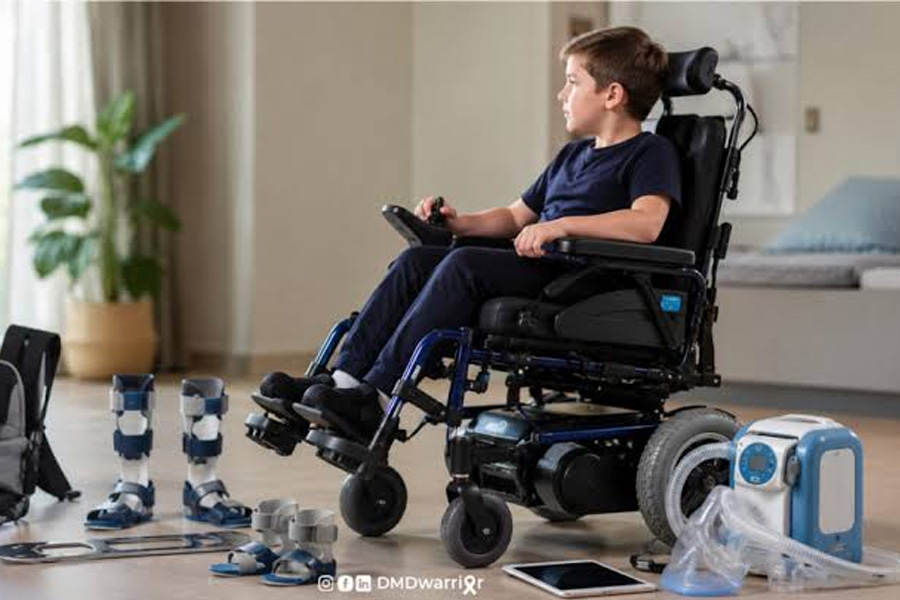
Seating and mobility choices should evolve as needs change. For families exploring a wheelchair for muscular dystrophy, Broda provides condition-specific information on clinically focused seating, positioning, tilt, recline, pressure management, and caregiver-friendly transfers. With decades of experience in clinical seating and support for users in the United States, Canada, and other service areas, Broda offers a useful starting point for conversations with rehabilitation professionals.
Start With Daily Needs, Not Equipment
Start by looking at an ordinary week. Consider getting out of bed, bathing, dressing, meals, work or school, appointments, hobbies, and time with friends. As you observe these activities, take note of the individual’s daily routines and how they may affect overall energy levels. Identify where fatigue builds, where falls or difficult transfers occur, and which activities the person wants to preserve. This holistic understanding will help you pinpoint the most challenging aspects of their week and tailor support to enhance their quality of life.
Plan Around Energy and Fatigue
Energy conservation is not about giving up valued activities. It is about using energy intentionally. Schedule demanding tasks during stronger parts of the day, group errands by location, and take short rests before exhaustion becomes severe. Seated work areas, lightweight tools, and keeping frequently used items within reach can reduce the need for repeated effort. Mobility support for longer distances may also help conserve energy for the activity itself.
Improve Safety Around the Home
A full renovation is not always necessary. Begin with practical barriers: uneven thresholds, dim entryways, cluttered hallways, loose rugs, narrow paths, or furniture that limits turning space. Review bed height, bathroom access, shower controls, grab bars, kitchen storage, and the places where help is most often needed. An occupational therapist can perform a home assessment when access or transfer concerns are becoming more complex.
Choose Mobility Support for the Task
One device may not fit every situation. A person might use a cane or walker for limited support, a manual wheelchair for selected outings, a power wheelchair for daily independence, or a transport chair for assistance. Transfer boards, standing aids, and lifts may become appropriate as standing or pivoting becomes less safe. A mobility evaluation should account for posture, upper-body strength, breathing, home access, transportation, hand control, and caregiver assistance.
Review Seating, Posture, and Comfort
Long periods of sitting can affect comfort, skin health, breathing, reach, and participation in daily tasks. Review support for the pelvis, trunk, head, legs, and feet, along with the ability to change position and reach essential controls. Seating should also be comfortable for meals, work, communication, recreation, and transportation. New pain, sliding, pressure areas, reduced head control, or difficulty breathing comfortably while seated should prompt a professional reassessment.
Make Transfers Safer
Transfers often become more difficult as leg, hip, shoulder, or trunk strength changes. Before beginning, clear the path, position the destination surface, and lock wheelchair brakes when appropriate. Move footrests or arm supports out of the way, explain each step, and stop if pain, dizziness, fear, or sudden weakness occurs. Caregivers should not attempt heavy lifts without training. A therapist can teach safer techniques and recommend equipment that reduces injury risk for everyone involved.
Prepare for Travel and Community Access
Outings are easier when access details are checked in advance. Confirm accessible parking, entrance routes, elevators, and restroom availability. Charge powered equipment, bring required chargers or accessories, and pack medication, water, snacks, cushions, and communication tools. Build in extra time for transfers, rest breaks, and delays. Keep the equipment provider’s contact information readily available in case a repair is needed away from home.
Build a Coordinated Care Team
Mobility planning works best when medical and rehabilitation professionals communicate. Depending on the person’s needs, the team may include a neurologist, primary care clinician, pulmonologist, cardiologist, physical therapist, occupational therapist, speech-language pathologist, social worker, and assistive technology professional. Ask what changes should trigger a new mobility evaluation and whether current seating, transfer, breathing, swallowing, or communication supports remain appropriate.
Plan for Funding and Equipment Changes
Coverage rules differ by insurer, location, equipment type, and medical documentation. Keep copies of evaluations, prescriptions, measurements, equipment trials, repair records, and any coverage decisions. Start the process before equipment becomes urgently necessary, and ask about warranties, batteries, maintenance, demonstrations, and loaner options. The Muscular Dystrophy Association’s equipment assistance resources can be a helpful resource for learning about durable medical equipment support and related options.
Use a Simple 2026 Mobility Checklist
- Write down current mobility goals and priority activities.
- Review high-risk transfers and home access barriers.
- Check seating, posture, pressure management, and comfort.
- Confirm transportation, emergency contacts, and backup plans.
- Schedule maintenance and organize funding documents.
- Tell the care team about meaningful changes in strength, breathing, or endurance.
Final Thoughts
Good mobility planning is personal, flexible, and ongoing. The goal is not simply to move from place to place. It is to support safety, comfort, choice, social connection, and meaningful daily life. Review the plan with qualified professionals whenever strength, posture, breathing, transfers, living arrangements, or personal priorities change.