Key Takeaways
- Loose dentures commonly result from gradual changes in jawbone density and gum tissue after tooth loss.
- Denture relining, rebasing, implant-supported solutions, and 3D-printed dentures provide increasing levels of stability.
- Recent technologies deliver faster and more precise results, which can improve outcomes for a broader range of patients.
Dealing with loose dentures can be a daily challenge, making it difficult to eat, speak, and maintain self-confidence. Thanks to advancements in dental care, there are now several reliable ways to address and resolve this issue. If you are searching for comprehensive information about dentures and how to improve their fit, you are not alone. Many individuals experience similar concerns, especially as denture stability tends to decrease over time.
With a deeper understanding of the causes of loose dentures and the latest treatment options, you can make informed decisions to restore your comfort and confidence. The solutions now available span from practical, traditional techniques to state-of-the-art innovations that offer rapid, highly customized results, empowering you to reclaim everyday function and a confident smile
Understanding the Causes of Loose Dentures
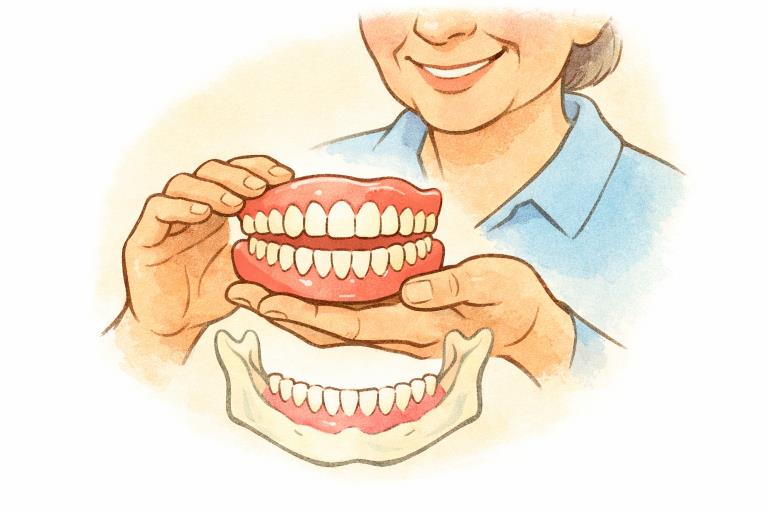
The fit of dentures naturally changes over time as the jawbone and soft tissues in the mouth adjust after tooth loss. This phenomenon, referred to as bone resorption, leads to a steady loss of bone density and volume that compromises denture stability. As everyday activities such as chewing and speaking gradually impact the mouth’s contours, dentures that once fit snugly can become loose, uncomfortable, and prone to slipping.
Daily wear and the oral environment itself also contribute to changes in denture fit. Long-term use can cause gradual warping or distortion of the denture base, amplifying looseness and reducing functionality. Recognizing the underlying reasons for loose dentures is the first step in selecting the most effective solution.
Traditional Solutions for Loose Dentures
Longstanding dental methods remain popular for addressing loose dentures, especially when instability is mild to moderate. These options are often the first line of treatment and include:
- Denture Relining:By adding material to the inner surface, dentures are reshaped to better fit the contours of your gums. This can be done as a soft reline (using a flexible material) or a hard reline (using more rigid materials), depending on comfort needs and gum sensitivity.
- Denture Rebasing:If the denture base is worn but the teeth are still functional, the entire base is replaced. This solution extends denture life and improves stability without a complete replacement.
- Denture Adhesives:Adhesive creams or powders provide temporary support and can stabilize dentures in minor cases, but they should not be relied upon for long-term correction if the base or shape becomes inadequate.
Implant-Supported Dentures: Enhanced Security and Comfort
For patients seeking superior stability, implant-supported dentures represent a transformative alternative. Dental implants are surgically embedded into the jaw, acting as artificial roots that anchor the denture securely in place. This approach greatly improves chewing function, speech, and overall confidence, since the dentures are firmly held and do not shift unexpectedly. Moreover, implants help maintain bone health by providing ongoing stimulation to the jaw, which can slow or prevent bone loss over time. For those who do not require a full denture, partial dentures can provide a comfortable and practical solution for replacing several missing teeth. Patients considering partial dentures Arlington can explore options that restore both function and appearance while complementing their remaining natural teeth.
More information about dental implants and how they can enhance denture stability is available on the American Dental Association website.
Breakthroughs in 3D-Printed Dentures
If you are interested in the latest technology, 3D-printed dentures bring a remarkable level of precision and speed to denture fabrication. Digital scans of your mouth are used to custom-design dentures that are then produced as a single piece using high-quality materials. Companies such as 3D Systems have pioneered these workflows, producing monolithic dentures through advanced multi-material printers, significantly reducing both turnaround and production costs.
- Precision Fit:Digital imaging technology ensures each denture is custom-tailored to the patient’s unique oral anatomy, which improves comfort and bite accuracy.
- Expedited Delivery:The digital process dramatically reduces time needed for both production and fitting, making it possible for patients to receive their new dentures quickly.
- Cost-Efficiency:By streamlining the workflow, these innovations may lower overall treatment costs and make quality dentures more accessible.
Discover more about this innovation from Forbes’ coverage on digital dentures, which explores the technology’s impact on patient outcomes and cost.
Convenient Two-Visit Denture Solutions
Some dental providers now offer two-visit denture workflows, further streamlining the patient experience. These systems involve an initial appointment for digital impressions and a follow-up visit for custom fitting, making them ideal for individuals with tight schedules, mobility challenges, or coverage through programs like Medicaid or Medicare. By reducing the number of appointments, these solutions make denture care more accessible, particularly in underserved communities.
How to Choose the Right Approach for You
Selecting the most suitable solution for loose dentures starts with a professional dental evaluation. Factors such as jawbone density, current oral health, and personal preferences all influence the optimal treatment plan. While some individuals may benefit most from relining or rebasing, others will find implant-supported or digitally manufactured dentures suit their lifestyles and expectations better. Open conversation with your dental provider ensures you receive personalized recommendations based on both clinical need and personal comfort.
Conclusion
Loose dentures no longer need to remain a source of daily struggle. With options ranging from traditional relining methods to modern advances like 3D-printed dentures and implant-supported solutions, there is a path to eating, laughing, and living with confidence. Seeking guidance from an experienced dental professional will help you identify the most appropriate solution, ensuring your dentures provide the secure foundation you need for a healthy, happy smile.