Core Components of Residential HVAC and Plumbing Systems
Understanding the fundamental elements of your home’s HVAC and plumbing systems is the first step toward effective maintenance. These intricate networks, while distinct in their functions, often interact to maintain a comfortable and healthy living environment. From the flow of potable water to the circulation of conditioned air, each component plays a vital role in your home’s overall efficiency and reliability.
Potable Water Supply and DWV Networks
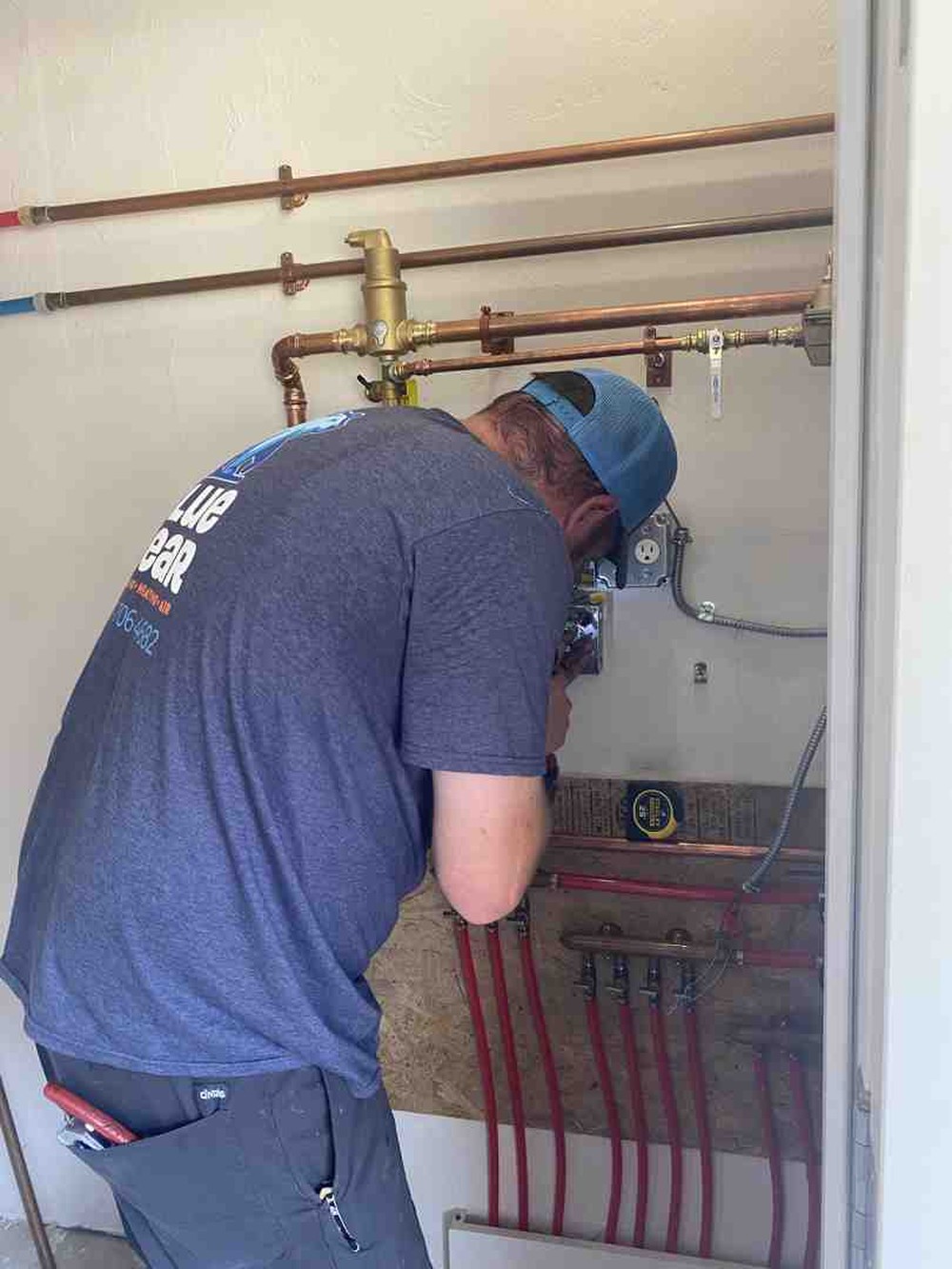
Our plumbing systems begin with the potable water supply, delivering fresh water through a series of pipes. This journey typically starts at the main shutoff valve, a critical control point for the entire system. Water then travels through supply lines, often made of durable materials such as copper tubing or flexible PEX (cross-linked polyethylene) pipes, and is distributed via manifolds to various fixtures. PEX, for instance, is increasingly popular, with an estimated 60% of single-family homes using it, due to its flexibility and ease of installation.
Equally crucial is the DWV (Drainage, Waste, and Vent) network, which safely removes wastewater and prevents noxious sewer gases from entering your home. This system relies on gravity to carry waste through drain pipes, while plumbing vents extend through the roof to equalize atmospheric pressure, ensuring proper flow and preventing vacuum locks. Drain traps, typically U-shaped sections of pipe under sinks and other fixtures, hold a small amount of water to create a seal against sewer gases. All wastewater eventually converges into sewer mains, leading to municipal treatment facilities or a septic system. Ensuring the integrity of these systems is paramount for public health and safety.
Heating, Ventilation, and Air Distribution
The HVAC system, encompassing heating, ventilation, and air conditioning, manages your home’s indoor climate. Heating is often provided by furnaces, which ignite fuel in burners to heat air, or boilers, which heat water for hydronic systems. This heated air or water is then distributed throughout the home. For cooling, air conditioners utilize evaporator coils to absorb heat from indoor air and condenser units outdoors to release it, with refrigerant lines facilitating this heat exchange.
Effective ventilation and air distribution depend on a well-designed network of ductwork. Properly sealed ductwork is essential to prevent energy loss and ensure conditioned air reaches all areas of your home efficiently. Regular cleaning and maintenance of components like air filters and condensate drainage lines—which remove moisture from the cooling process—are critical for maintaining indoor air quality and preventing system malfunctions. When these systems need attention, whether it’s a furnace struggling to ignite or an AC unit failing to cool, seeking out expert HVAC and plumbing services can ensure your home remains comfortable and your systems operate at peak performance.
Integrating Residential HVAC and Plumbing for Peak Efficiency
Modern homes increasingly benefit from the integration of HVAC and plumbing technologies to achieve greater energy efficiency. Systems like heat pumps can both heat and cool a home, often utilizing water-based systems for enhanced thermal transfer. Hybrid water heaters combine traditional storage tanks with heat pump technology, significantly reducing energy consumption for hot water. Hydronic coils, integrated into air handlers, can use hot water from a boiler to provide heating, offering a versatile and efficient solution.
These integrated boiler loops and other combined systems contribute significantly to thermal efficiency, directly impacting utility bills. For instance, a well-maintained, integrated system can reduce the load on individual components, extending their lifespan and lowering overall energy costs. Homeowners looking to optimize their energy usage and enhance comfort should consider how their residential HVAC and plumbing systems can work in concert. This holistic approach not only saves money but also promotes a more sustainable living environment.
Comparing Modern Pipe Materials and Mechanical Systems
The choice of materials in residential plumbing and HVAC systems significantly impacts their durability, performance, and long-term cost. Understanding the characteristics of different pipe materials and mechanical systems is essential for making informed decisions about installations, repairs, and upgrades. Factors such as pipe schedules (wall thickness), corrosion resistance, thermal expansion properties, and joint integrity all play a role in a system’s resilience against material degradation over time.
Material Durability, Cost, and Application
When it comes to residential plumbing, several materials dominate the market, each with distinct advantages and disadvantages:
Material Cost (Relative) Lifespan (Years) Key Applications Pros Cons PEX (Cross-linked Polyethylene) Low 40-50+ Hot/cold water supply, radiant heating Flexible, freeze-resistant, quiet, no corrosion UV sensitive (for outdoor), rodent damage risk Copper High 50-70+ Hot/cold water supply, hydronic heating, refrigeration Durable, corrosion-resistant, recyclable, high heat tolerance Expensive, rigid, requires soldering, susceptible to pinhole leaks PVC (Polyvinyl Chloride) Very Low 50-70+ Drainage, waste, vent (DWV), cold water supply Inexpensive, easy to install, corrosion-resistant Not for hot water, brittle, UV sensitive, solvent cement required CPVC (Chlorinated Polyvinyl Chloride) Low-Medium 50-70+ Hot/cold water supply, fire sprinklers Handles hot water, corrosion-resistant, easy to install More brittle than PVC, can degrade with certain chemicals Galvanized Steel Medium 30-50 Older water supply, gas lines Strong, durable (initially) Corrodes internally, restricts flow, heavy, difficult to work with
PEX, for example, is highly valued for its flexibility, allowing for fewer joints and easier installation, often using crimping tools for secure connections. Rigid copper, while more expensive and requiring soldering, offers superior durability and corrosion resistance, making it a long-standing choice for potable water and hydronic systems. PVC is primarily used for drainage, waste, and vent (DWV) applications due to its cost-effectiveness and ease of solvent-weld assembly, though it is not suitable for hot water. Galvanized steel, once common for potable water supply, has a service life of about 30 to 50 years before internal corrosion significantly restricts flow and can lead to water discoloration, making it rarely used in new residential construction today.
Health Regulations and Code Compliance Standards
The materials and installation practices for plumbing systems are heavily regulated to protect public health and safety. The Safe Drinking Water Act and subsequent local municipal codes dictate acceptable materials and practices. A significant milestone was the ban on lead solder for drinking water applications in the United States in 1986, following earlier moves by most cities away from lead water-supply piping by the 1920s. These regulations were crucial in eliminating a major source of heavy metal leaching into potable water.
Modern codes also mandate devices like backflow preventers, which stop contaminated water from flowing back into the clean water supply, and trap primers, which ensure drain traps always contain water to block sewer gases. Staying informed about state board regulations is also vital; for instance, the State Board of Plumbing holds monthly public meetings to discuss licensing, regulatory updates, and industry standards. Homeowners and professionals alike must adhere to these evolving standards, ensuring that all plumbing work is not only functional but also compliant with the latest health and safety requirements.
Preventive Maintenance and Troubleshooting Guidelines
Proactive maintenance is the cornerstone of a reliable and efficient home mechanical system. Routine inspections and timely interventions can prevent minor issues from escalating into costly repairs, significantly extending the lifespan of your HVAC and plumbing infrastructure. Early detection of problems can save you from inconvenient breakdowns, potential water damage, and unexpected efficiency drops, ultimately contributing to greater system reliability and peace of mind.
Seasonal Checklists for Residential HVAC and Plumbing Care
To keep your systems running smoothly, consider adopting a seasonal maintenance routine:
- Fall/Winter:HVAC: Schedule a furnace tune-up. Replace air filters every 1-3 months. Clear debris from around outdoor condenser units (if applicable for heat pumps).
- Plumbing: Insulate exposed pipes, especially in unheated areas like basements, attics, and crawl spaces, to provide freeze protection. Disconnect and drain outdoor hoses and shut off exterior spigots. Test sump pumps to ensure they are ready for winter precipitation.
- Spring/Summer:HVAC: Schedule an AC tune-up. Replace air filters. Clean outdoor condenser coils to ensure efficient heat transfer. Ensure condensate drain lines are clear and draining properly to prevent overflow and potential water damage.
- Plumbing: Check for leaks around faucets, toilets, and under sinks. Flush your water heater to remove sediment buildup, which improves efficiency and extends its life. Inspect outdoor irrigation systems for leaks or blockages.
These simple steps can prevent common problems like frozen pipes, clogs, and leaks, which are frequent culprits behind emergency service calls.
Safety Protocols for Basic Home Repairs
While some plumbing and HVAC tasks are best left to professionals, homeowners can safely handle many basic repairs and maintenance tasks by following crucial safety protocols:
- Turn off water supply: Before any plumbing repair, locate and turn off the main shutoff valve or the supply valve to the specific fixture.
- Relieve pressure: After turning off the water, open the lowest faucet in the house to drain water from the pipes and relieve pressure.
- Electricity first: For any HVAC or electrical plumbing work (like water heaters), always turn off the corresponding circuit breakers at the main electrical panel.
- Wear protective gear: Always use safety glasses to protect your eyes from debris or splashing water, and wear gloves to protect your hands.
- Ensure proper ventilation: When using solvents, adhesives, or soldering equipment, ensure the work area is well-ventilated to avoid inhaling fumes.
- Torch safety: If soldering, have a fire extinguisher nearby and use a heat shield to protect surrounding materials. Never leave a lit torch unattended.
Knowing when to call a professional is also a critical safety measure. For complex issues involving gas lines, refrigerant handling, or major system installations, it’s always safer and often legally required to consult a licensed contractor.
Professional Licensing, Trade Standards, and Contractor Hiring
When issues arise that extend beyond basic homeowner maintenance, engaging a qualified professional is essential. This involves understanding the various trade credentials, the importance of proper supervision, and effective strategies for vetting contractors. Adhering to trade standards and ensuring all work is authorized by mechanical permits and complies with local codes protects your investment and ensures the safety and longevity of your home’s systems.
Understanding Trade Credentials and Supervision Requirements
The plumbing and HVAC trades have structured career paths and licensing tiers designed to ensure competency and safety. An individual typically begins as an apprentice plumber or HVAC technician, undergoing on-the-job training under the direct supervision of experienced professionals. After accumulating sufficient hours and passing examinations, they can become a journeyman, qualified to perform work independently but often still under the broader oversight of a master.
Master plumbers and master HVAC technicians represent the highest level of expertise, typically possessing 35+ years of experience and demonstrating comprehensive knowledge of codes, design, and installation. They are often required to hold a master license to operate their own contracting business. For HVAC professionals, specific certifications like the EPA Section 608 certification are mandatory for handling refrigerants, underscoring the specialized knowledge required. Many states also require plumbing contractors to hold a surety bond, ensuring financial protection for consumers. For instance, Minnesota requires a $25,000 surety bond for plumbing contractor licenses, highlighting the financial responsibility involved.
Direct supervision, as defined by many state laws, means the supervising licensed professional must be physically present at the work site, immediately available for assistance, and review the work before operation. This ensures that even unlicensed workers are guided by experienced hands, maintaining high standards of quality and compliance.
Vetting Contractors and Trade Career Pathways
Hiring a residential plumbing or HVAC contractor requires diligence. We recommend looking for professionals who are fully licensed and insured. This includes verifying their liability insurance, which should cover premises, operations, products, and completed operations. Always ask for proof of current licensing and insurance. Furthermore, ensure they obtain all necessary municipal permits for the work, as this guarantees the project will be inspected for code compliance.
For those considering a career in these vital trades, vocational training and apprenticeship programs offer structured pathways. These programs combine classroom instruction with hands-on experience, leading to trade certifications that are recognized industry-wide. The State Board of Plumbing public meetings, held monthly, discuss licensing, regulatory updates, and industry standards, providing valuable insights for both professionals and aspiring tradespeople. A reputable contractor will provide a written estimate detailing the scope of work, materials, and labor, ensuring transparency and preventing unexpected costs.
Frequently Asked Questions About Home Mechanical Systems
Homeowners often have questions about the longevity, safety, and maintenance of their HVAC and plumbing systems. Addressing these common concerns can help in making informed decisions and maintaining a healthy, comfortable home.
What are the earliest warning signs that a home system requires replacement?
Recognizing the subtle cues that your HVAC or plumbing system is nearing the end of its life can save you from sudden breakdowns and costly emergencies. For plumbing, watch for persistent issues like water discoloration (which can indicate internal pipe corrosion, especially with galvanized steel), consistently low water pressure, or recurring clogs that suggest systemic problems rather than isolated blockages. For HVAC, signs include short cycling (when the system turns on and off too frequently), unusual noises (grinding, banging, or squealing), and a noticeable increase in your energy bills without a change in usage. If your furnace is over 15-20 years old or your AC unit is over 10-15 years old and exhibiting these symptoms, it might be time to consider replacement rather than repeated repairs.
How do modern building codes address historical lead and galvanized piping?
Modern building codes have significantly evolved to address the health and performance concerns associated with older piping materials. The ban on lead solder for drinking water applications in 1986 in the United States, along with earlier shifts away from lead pipes, has largely eliminated new lead installations. For existing lead pipes, while direct replacement is often recommended, point-of-use filtration can offer a temporary solution.
Galvanized steel pipes, which have a service life of about 30 to 50 years, are prone to internal corrosion, leading to reduced water flow, rust-colored water, and eventual leaks. While not an immediate health hazard like lead, their degradation significantly impairs plumbing system performance. Current repiping standards almost universally favor copper or PEX for water supply lines due to their durability, corrosion resistance, and compliance with health regulations. Homeowners with older homes should be aware of these historical materials and consider professional inspection for potential repiping projects.
When should homeowners call a licensed contractor instead of attempting DIY repairs?
While basic maintenance and minor repairs can be handled by homeowners, certain tasks require the expertise, specialized tools, and legal authorization of a licensed contractor. We strongly advise calling a professional for:
- Refrigerant handling: HVAC refrigerants are potent chemicals that require specific training and EPA certification (like Section 608) for safe handling and disposal. Improper handling can harm the environment and pose health risks.
- Gas line modifications: Any work involving natural gas lines is extremely dangerous and must be performed by a licensed professional to prevent leaks, explosions, and carbon monoxide poisoning.
- Main stack venting and sewer line backups: Issues with the main drain or vent stack, or significant sewer line backups, often require specialized equipment (like hydro-jetters or video inspection cameras) and an understanding of complex drainage systems.
- Water heater installations: Proper installation of water heaters, especially gas models, involves gas lines, venting, and electrical connections, all of which must comply with strict safety codes.
- Major electrical work: Any significant electrical modifications related to HVAC or plumbing systems should be handled by a licensed electrician or an HVAC technician with electrical qualifications.
Attempting DIY repairs on these complex systems can lead to further damage, void warranties, and create significant safety hazards for your household.
Conclusion
Our home’s HVAC and plumbing systems are the silent workhorses that ensure our comfort, health, and safety. By embracing proactive maintenance, understanding the core components, and staying informed about material choices and regulatory standards, we can significantly extend the lifespan of these vital systems. Regular check-ups, seasonal tasks, and knowing when to call on licensed professionals are investments that pay dividends in preventing costly emergencies, reducing utility bills, and safeguarding our living spaces. Building strong relationships with trusted contractors and prioritizing long-term durability over short-term fixes will ensure our homes remain comfortable, efficient, and reliable for years to come.