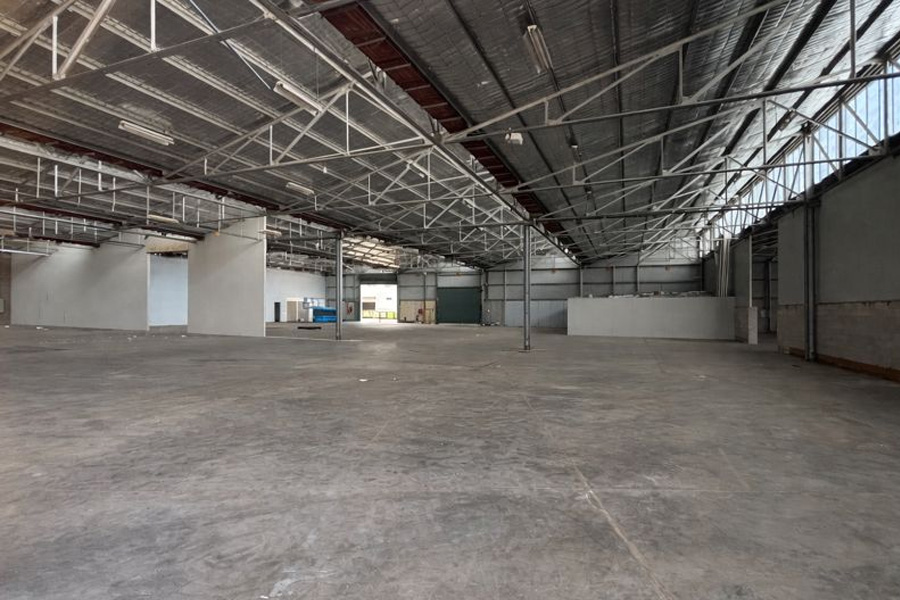
Sydney runs on sheds. Bakeries, panel shops, packing lines, small robotics firms: each one needs a floor, a roller door and real power. JLL counted about 23.5 million square metres of industrial floor space in Sydney, with vacancy at 5.8% by mid 2026. Tenants have choice again. Anyone comparing factory space for lease in Sydney can ask for more and get it. Prime rents sit near $273 per square metre, and incentives average 18.4%. The suburb sets the price far more than the building does. That single fact shapes every choice below.
What should you check first in a Sydney factory?
Power. Almost everything else can be fixed with money, but amps cannot. Three phase supply with spare headroom lets a business add machines later without waiting months on the network. Ask for the switchboard rating in amps, not the promise in the brochure. Then look up. Clear internal height decides how high pallets stack. New sheds reach 12 metres. Older brick units sit closer to 6.
What does factory space cost across Sydney?
Rent swings hard by precinct. Knight Frank’s Q1 2026 figures show the spread.
| Precinct | Prime net rent per sqm | Vacancy | Suits |
| Outer West | $200 to $250 | 2.8% | Bulk storage, long production runs |
| South West | $200 to $250 | 3.9% | Freight, food, growing firms |
| Inner West | $220 to $300 | 2.7% | Light making, fast city drops |
| South, near Alexandria | $350 to $475 | 2.8% | Small studios, courier heavy work |
The South charges close to double the Outer West. That money buys roughly 20 minutes of travel toward the CBD. Worth every dollar for a same day delivery brand. Far less useful for a firm sending pallets to Melbourne each week.
Which building features earn their keep?
- Roller door height: 5 metres or more lets a loaded B double reverse in cleanly.
- Floor load rating: get the tonnes per square metre in writing before ordering racking.
- Awning depth: covered loading keeps stock dry through Sydney summer storms.
- Three phase power: 100 amps suits light assembly, 400 amps suits heavy plant.
- Hardstand yard: truck turning needs about 30 metres of clear concrete.
- Office ratio: 10% of floor area is standard, and extra office lifts the rent.
How long should the lease run?
Three to five years suits most small factories. With incentives near 18.4%, a landlord will often fund fitout or hand over rent free months, and longer terms pull bigger offers. A five year term with a five year option keeps room to grow and keeps the exit clean. Name the rent review method in the deal: a fixed 3% is easier to plan around than CPI.
Why does truck access decide the shortlist?
Because a shed you cannot load is just storage. Measure the driveway width, the gate swing and the slope of the apron before falling for the office fitout. Outer West estates around Eastern Creek were built for B doubles. Older Inner West stock was built for rigid trucks and vans. Match the building to the vehicle that visits most, then sign.
Does zoning decide what you can make there?
Yes. Since December 2022, NSW industrial land sits under the employment zones, mainly E4 General Industrial and E3 Productivity Support. E4 covers general making, warehousing and logistics. E3 leans lighter, mixing small industry with offices and services. A food or coating business often needs council sign off on the fitout as well. Ask the agent for the zone code and the current approved use, then check it against the plan. Same use means a quick start. A new use means a development application, so build that time into the move.