Why Dental Protection Needs a Game Plan
Contact sports incite turmoil in seconds. A forearm hits a jaw, a chin hits a shoulder, and a ball hits the face. Teeth are not hamstrings. Restless remodelers rarely forgive carelessness. Under impact, the jaw closes like a hinge, concentrating force on enamel, roots, and the temporomandibular joint. Unchecked, the force can chip incisors, split lips, and jar skulls.
Treat dental protection like conditioning. Do not run sprints monthly and call it done. You create procedures, test equipment, and plan for emergencies. High-quality mouthguards, team policies, athlete education, and quick accident reaction are a wise plan. Consider it a smile scrum with roles, rules, and drills.
Custom Mouthguards: What Excellence Actually Looks Like
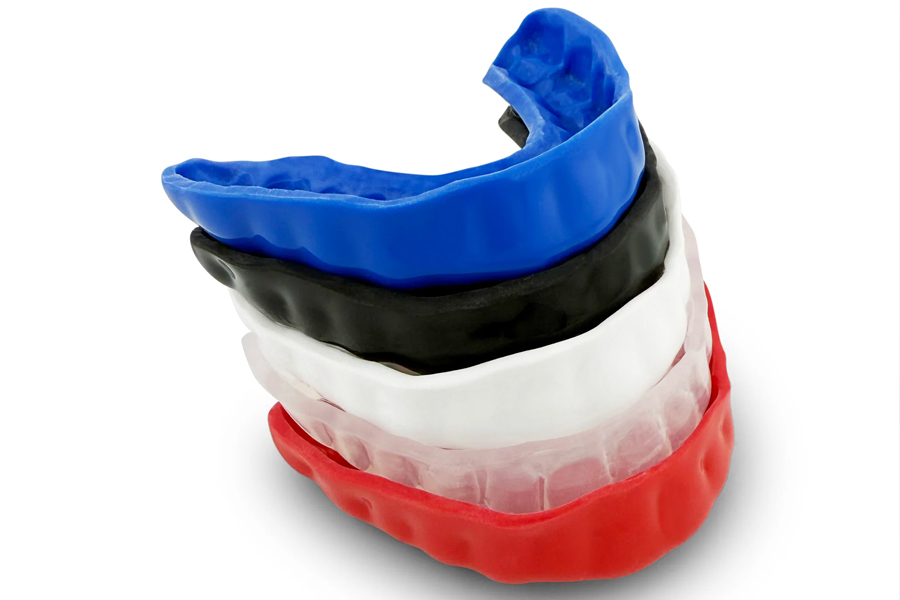
Not all mouthguards are equal. The best versions are crafted from accurate impressions or digital scans, then layered to match your sport, position, and bite. Hallmarks of a top guard include:
- Secure retention without clenching. It should stay put when you open your mouth, speak, and pivot hard.
- Even coverage over the biting surfaces that creates a stable platform when the jaws meet.
- Adequate thickness in high risk zones. Contact codes often use thicker labial and occlusal layers, while strike sports may need reinforced posterior coverage.
- Smooth edges trimmed to the depth of your sulcus so the guard protects without rubbing.
- Room for natural airflow. You should be able to breathe through your nose and mouth during maximal effort.
Material matters. Double laminates have a soft inner layer that hugs teeth and a harder outer shell that absorbs impact. A few guards have bite stops to prevent jaw slam. Others color-code for simple compliance inspections. The objective is straightforward. Spread force, protect teeth, and keep athletes talking and breathing.
Fit, Function, and Communication: Testing Your Guard Under Pressure
A mouthguard that looks great on a bench can fail on a breakaway. Field test yours.
- The talk test. Recite a play call at game pace. If consonants are clear, the fit is likely right. Slurred speech often hints at bulk in the palate or poor retention.
- The bottle test. Take a hard swig during intervals. If the guard dislodges, refine the fit before you compete.
- The sprint test. Run a short burst, cut twice, then inhale deeply. Breathing should feel natural, not strangled.
- The suction test. With lips closed, gently create suction to feel how securely the guard grips your teeth. It should resist a light pull without clenching.
Small tweaks often solve big problems. Trimming overlong borders, reshaping the palate, or adjusting occlusal stops can transform comfort and compliance.
Beyond the Guard: Team Policies That Reduce Risk
Individual gear is the first layer. Team culture is the shield around it.
- Make mouthguards mandatory for drills and scrimmages, not just matches. Most dental hits happen when vigilance dips.
- Build pre session checks into warm ups. Coaches can scan for visible guards as athletes line up.
- Issue labeled, ventilated cases and disinfectant routines. A clean, dry guard resists cracks and bacterial buildup.
- Keep spares. Athletes should carry a backup guard in the kit. Staff should stock sealed emergency guards for game day.
- Create a replace after impact rule. If a player takes a forceful shot to the jaw, the guard needs inspection, and often a remake.
When policies are consistent, athletes comply without argument. The habit becomes as automatic as taping wrists.
Age and Orthodontics: Special Considerations for Growing Athletes
Young mouths change fast. New teeth erupt, arches widen, and brackets demand clearance.
- Choose orthodontic compatible guards that allow tooth movement without locking onto braces. These designs offer a softer internal fit and extra lip protection over brackets.
- Expect more frequent remakes. Growth spurts and wire adjustments alter fit.
- For mixed dentition, focus on coverage that protects erupting incisors and primary molars without gagging the palate.
- Ask for extra lip cushioning if split lips have been an issue. A small increase in thickness there can prevent repeat cuts.
Comfort dictates wear time. If a young athlete forgets the guard is in, you have done it right.
Hygiene, Lifespan, and Replacement Timing
Mouthguards are like running shoes. They have a mileage limit.
- Rinse before and after use with cool water, then clean with mild soap. Avoid hot water that warps shape.
- Let it dry in a ventilated case. Sealed damp containers invite odor and microbes.
- Inspect monthly. Look for bite through spots, cracks, sharp edges, or a loose fit.
- Replace if you see damage, after dental work, or when fit changes. Youth athletes usually need a new guard each season. High load competitors may need mid season refreshes.
Pets love to chew soft polymers. Keep your guard out of reach and out of the sun on dashboards.
Emergency Response: If a Dental Injury Happens
Preparation turns panic into protocol.
- For a knocked-out tooth, handle the crown, not the root. Remove dirt using milk or saline, not scrape. If the athlete is awake and agreeable, gently place the tooth back in the socket and have them bite gauze. If not, preserve the tooth in milk or the athlete’s cheek and seek urgent dental care.
- For broken teeth, collect fragments in milk, control bleeding with firm pressure, and cover sharp edges with dental wax if available.
- For jaw hits with pain or limited opening, stop play and evaluate for fracture or joint injury.
- Replace or remake the mouthguard after any major impact. Microscopic damage reduces protection even if the guard appears intact.
Have a grab bag ready at every session. Include gloves, gauze, a small bottle of saline, a vented case, dental wax, and a list of urgent dental contacts.
Sport-Specific Tweaks: From Rugby to Basketball to Martial Arts
Risks vary by code and position.
- Rugby and AFL. Expect high velocity collisions and ground contacts. Guards with reinforced posterior thickness and firm occlusal stops handle chin jolts well.
- Basketball and netball. Elbows and fast cuts dominate the risk profile. Low bulk designs that preserve speech are more likely to be worn every possession.
- Martial arts and boxing. Repetitive blows favor multi layer guards with edge cushioning and stable retention during heavy breathing.
- Ice hockey and lacrosse. Pair full face protection with a guard that accommodates communication on the fly and temperature swings on the bench.
- Cricket close in fielders and wicketkeepers. A slim, secure guard complements helmets and face grids without muffling calls.
Fine tune to the plays you run, not just the sport you name.
Budgeting and Access: Making Protection Affordable
Protection should not depend on luck or wallets.
- Coordinate club fitting days. Group appointments lower costs and raise compliance.
- Use health fund benefits where available and plan remakes around renewal cycles.
- If you must use a boil and bite, improve the fit by following precise heating instructions, molding with firm finger pressure into the gumline, and repeating once for refinement. Replace sooner, since these wear quickly.
- For travel squads, build guard costs into team fees and include a backup in the kit.
The cheapest guard is the one worn every session and replaced before it fails.
FAQ
Do mouthguards reduce concussion risk?
A mouthguard protects teeth and soft tissues, and it can soften jaw impact by spreading force. It is not a concussion cure. Use it as part of a wider safety strategy that includes proper technique, rules enforcement, and head protection where applicable.
How often should I replace a custom mouthguard?
Replace when fit changes, after dental work, or if you see cracks, bite through spots, or rough edges. Youth athletes often need a new guard each season. High intensity competitors may benefit from a mid season check and possible remake.
Can I wear a mouthguard with braces?
Yes. Choose an orthodontic compatible design with room for brackets and ongoing tooth movement. These guards add lip protection over hardware and avoid locking onto wires.
What is the best way to clean a mouthguard?
Rinse before and after play, clean with mild soap and a soft brush, then air dry in a ventilated case. Avoid hot water, alcohol based cleaners, and dishwasher cycles that can warp the material.
What should I do if a tooth is knocked out during a game?
Handle the crown only, gently rinse with milk or saline if dirty, and reinsert into the socket if possible. Have the athlete bite on gauze and seek urgent dental care. If reinsertion is not possible, store the tooth in milk or in the cheek, never in plain water.
How can I tell if my guard fits correctly?
It should stay in place without clenching, allow clear speech, and permit heavy breathing during sprints. Borders should feel smooth, not rub or gag. If it pops out during a drink or a cut, the fit needs work.
Do non-contact athletes need mouthguards?
Many so called non-contact sports still involve speed, falls, and equipment. Basketball and netball are prime examples. If collisions or projectiles can hit your face, a guard is a sensible layer of protection.
Is a thicker mouthguard always better?
Thickness helps in high risk areas, but more bulk can hinder speech and airflow. The ideal design balances coverage, material layers, and comfort for your specific sport and position. A well made guard feels secure, not cumbersome.