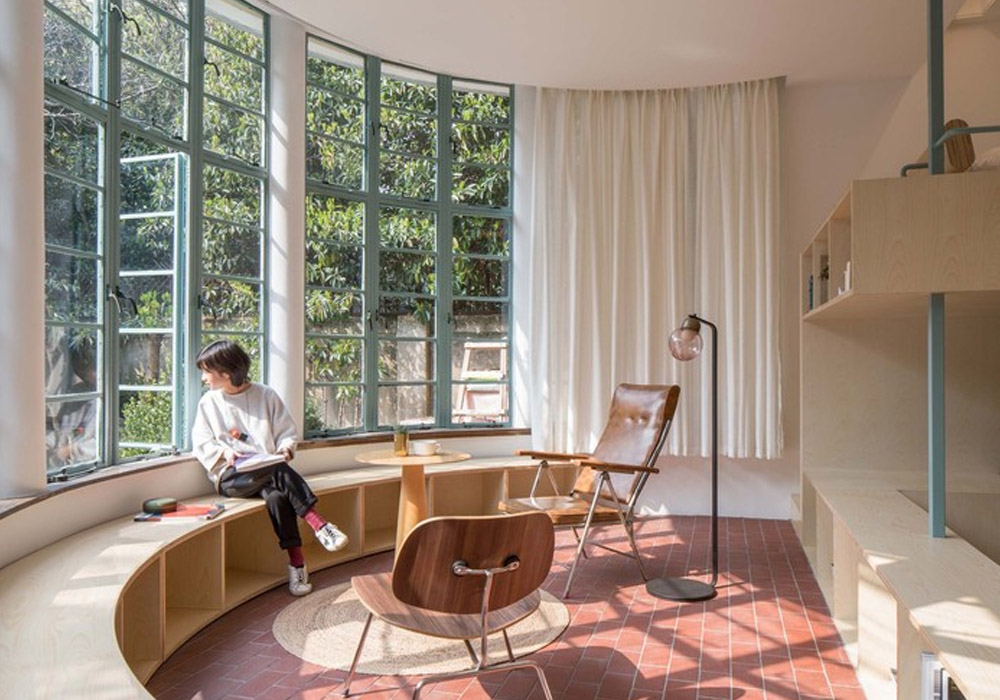
Living in a small space doesn’t mean you have to compromise on comfort or functionality. Whether you’re furnishing a compact apartment, a cozy home, or a multi-purpose room, thoughtful design choices can help you create an inviting environment that supports your daily routine. By combining smart organization, efficient furniture, and intentional layouts, you can maximize every square foot while maintaining a comfortable and stylish living space.
Prioritize Function Before Filling the Room
One of the biggest mistakes people make in small spaces is adding furniture before determining how the room will actually be used. Every item should contribute to your daily routine while supporting the room’s primary purpose. A thoughtful approach helps eliminate unnecessary clutter and creates a more open, functional environment.
Start by identifying your essential activities. Consider where you’ll sleep, relax, work, dine, or entertain guests. Once those priorities are clear, select furniture that supports multiple needs whenever possible instead of choosing pieces based solely on appearance.
Leaving some open floor space is equally important. Empty space improves movement, allows natural light to circulate, and makes even modest rooms feel significantly larger than overcrowded ones.
Plan Around Everyday Activities
Think about how you move through each room during a typical day. Position frequently used furniture where it is most convenient, and avoid layouts that create obstacles or interrupt natural traffic flow.
Designing around your lifestyle rather than simply filling available space results in a home that feels both comfortable and highly practical.
Choose Multifunctional Furniture
Furniture that performs more than one function offers tremendous value in compact living spaces. Instead of dedicating valuable square footage to separate pieces for sleeping, working, and storage, look for versatile solutions that adapt throughout the day.
For example, a Murphy bed and desk allow a single room to function as both a productive workspace and a comfortable bedroom. During the day, valuable floor space remains available for work, hobbies, or entertaining, while the sleeping area is easily accessible when needed.
Other multifunctional furniture choices include expandable dining tables, nesting tables, storage ottomans, benches with hidden compartments, and beds featuring built-in drawers. These options reduce clutter while making the most of every available inch.
Invest in Long-Term Versatility
Rather than purchasing furniture for one immediate need, consider how each piece can adapt as your lifestyle changes. Flexible furniture often provides greater long-term value by accommodating new routines without requiring frequent replacements.
Durable, multifunctional pieces can continue serving your household for many years while supporting changing needs.
Make Storage Part of the Design
Effective storage plays a major role in balancing comfort and practicality. A well-organized home feels more relaxing because everyday belongings remain accessible without creating visual clutter.
Take advantage of vertical space by installing floating shelves, tall bookcases, or wall-mounted cabinets. These storage solutions free up valuable floor space while keeping frequently used items within easy reach.
Hidden storage is equally valuable. Furniture with built-in compartments, under-bed storage containers, and decorative baskets help keep belongings organized while preserving a clean and uncluttered appearance.
Use Every Available Space Wisely
Many compact homes contain overlooked storage opportunities. The backs of doors, unused corners, narrow gaps beside furniture, and cabinet interiors can all accommodate practical storage solutions.
Making use of these hidden spaces improves organization without affecting the room’s overall openness.
Create a Comfortable Atmosphere Without Overcrowding
Comfort extends beyond furniture selection. Lighting, colors, textures, and room arrangement all influence how welcoming a small space feels.
Choose a cohesive color palette that promotes visual continuity throughout the home. Lighter colors often reflect natural light more effectively, helping rooms appear brighter and more spacious. Soft textiles such as rugs, cushions, and curtains add warmth without requiring additional furniture.
Avoid decorating every available surface. Carefully selected artwork, plants, or decorative accessories provide personality while maintaining an uncluttered appearance. A few meaningful decorative elements typically create a stronger impression than numerous unrelated items.
Arrange Furniture Thoughtfully
Position furniture to encourage conversation, improve movement, and maximize natural light. Avoid blocking windows or creating narrow walkways that make rooms feel confined.
Even small adjustments in furniture placement can noticeably improve both comfort and functionality.
Develop Habits That Maintain Organization
Even the most thoughtfully designed small space requires regular maintenance to remain practical. Daily organization habits help preserve the balance between comfort and efficiency.
Return belongings to their designated locations after use, clear frequently used surfaces before bedtime, and spend a few minutes each day addressing small messes before they become larger problems. These simple routines reduce stress while making your home easier to enjoy.
Schedule periodic decluttering sessions throughout the year. Reviewing clothing, household items, and decorative accessories prevents unnecessary accumulation and creates additional storage capacity for the belongings you truly value.
Purchase With Purpose
Before bringing new items into your home, consider whether they fulfill a genuine need, fit comfortably within your available space, and complement your existing furnishings.
Intentional purchasing decisions reduce clutter while ensuring every possession contributes positively to your everyday living experience.
Design for Flexibility and Future Needs
Small spaces often need to adapt as lifestyles change. Whether you’re working remotely, welcoming overnight guests, starting a new hobby, or expanding your household, flexible design allows your home to evolve without extensive renovations.
Modular furniture, movable seating, foldable tables, and adaptable storage systems make it easier to reconfigure rooms when necessary. This flexibility helps extend the usefulness of your living space while protecting your investment in furniture and organization systems.
Periodically reassess how your home functions. Small improvements such as rearranging furniture, updating storage methods, or removing unnecessary belongings can significantly improve both comfort and practicality without major expense.
By viewing your home as an adaptable space rather than a fixed layout, you’ll continue finding new ways to maximize every square foot.
Conclusion
Balancing comfort and practicality in small spaces is achievable through thoughtful planning, multifunctional furniture, efficient storage, and consistent organization. By focusing on your daily needs, maintaining flexible layouts, and choosing versatile solutions, you can create a home that feels spacious, welcoming, and easy to live in. Small, intentional improvements make a lasting difference, allowing every room to provide both comfort and everyday functionality.