Keeping a home clean and comfortable does not require marathon cleaning days or sacrificing your weekends. A weekly home care routine that genuinely works is built on small, predictable habits and clear priorities. However, working professionals and busy families often struggle to build an actionable routine they can be consistent with, notes the Murray Property Management Company.
A recent survey by the Pew Research Center found that 52% of families of different-sex couples with children under 18 in the US had two full-time working parents as of 2025. This is a big jump from 46% in 2015 and 31% in 1975. The number of such families thrives in cities like Austin, which has been named the best city for working parents recently, as per government sources.
Managing a home as a professional is not easy, and cleaning often takes a back seat. The good thing is that you can keep your home clean, hygienic, and organized despite a busy schedule. A few practical steps coupled with professional help can do the trick.
In this article, we will share some tips to ensure that your home stays consistently tidy with far less effort.
Start With the Essentials First
A practical routine always starts with the essentials first. A Martha Stewart article recommends breaking cleaning into daily, weekly, monthly, and seasonal tasks to maintain a spotless home. Daily cleaning should prioritize high-use areas, such as floors and countertops. On the other hand, weekly and seasonal tasks should address deeper messes.
It is a good idea to list each room in your home and identify the surfaces that require regular care, such as kitchen counters, bathroom fixtures, floors, and frequently touched handles. Then decide which chores must happen daily, and which truly need a weekly touch. The monthly or seasonal tasks include windows, baseboards, and appliance interiors.
This simple triage prevents you from skipping critical tasks like bathrooms or floors while spending energy on less urgent details. Over time, you will know exactly what “done for the week” looks like. Once you have your priorities sorted, your routine is much easier to maintain.
Focus on One Area a Day
Once you know your tasks, assign one focus area to each day so you never feel pressured to clean the entire house in one go. For instance, you might focus on bathrooms on Monday, the kitchen on Tuesday, living areas on Wednesday, and bedrooms on Thursday. Clean floors and entryways on Friday, leave Saturday for catch‑up or laundry, and Sunday for rest.
Each day has a clear purpose, and you only need to complete a defined set of tasks for that zone. This room‑rotation model turns cleaning into a simple habit instead of a huge project. Since everything is divided into daily lists, the process becomes far less overwhelming.
High-germ areas deserve extra attention, so you may need to clean them every day. Lisa Yakas, Senior Account Manager for EPA’s Safer Choice cleaning products, names the kitchen and the bathrooms as the “germiest places” in a home. According to NSF, not cleaning these areas regularly can lead to illnesses.
Use Professional Help Strategically
Using professional help strategically is an important part of a routine that actually works, especially for busy households. For example, cleaning companies in Austin, TX, can be saviors for working parents in the city. Even if you work from home (as reported by The Business Journal that 28% of Austinites are WFH workers), professional cleaning can make your life easy.
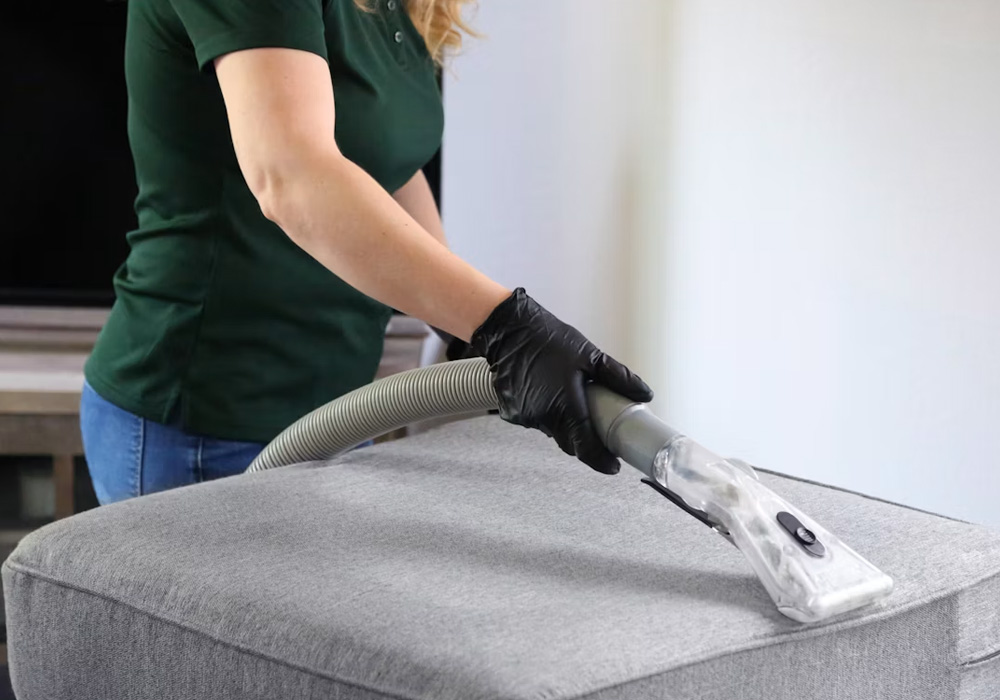
Purple Fig Eco Cleaning Co. notes that professional cleaning services are ideal for couch vacuuming, kitchen cleaning, appliance cleaning, and thorough move‑in or move‑out cleans. Some families schedule regular biweekly or monthly services to handle the harder tasks, such as scrubbing grout, washing windows, or cleaning vents.
You can even consider help for daily cleaning if you want your home to be spotless or have hygiene priorities due to kids and pets. Consider booking a deep clean when you feel consistently behind because this “reset” can make your ongoing routine much easier to sustain.
Keep Your Routine Simple and Flexible
For your routine to last, it must be designed to be realistic and flexible rather than rigid. Your needs and situations may vary from time to time. If your weekdays are packed, you might shift more of the heavier work to a weekend morning. The rest can be dealt with by keeping just a five‑minute nightly reset on workdays.
If you have children or roommates, assign clear responsibilities so everyone contributes, whether that is bathroom upkeep, trash and recycling, or toy and clutter resets. Many households find that using a shared calendar, whiteboard, or simple checklist helps keep tasks visible and reduces arguments over who does what.
At times, your schedule may change due to travel, family emergencies, or deadlines. In this case, you can temporarily shorten sessions or outsource a deep clean rather than abandoning the system altogether.
Review and Adjust Your Routine Weekly
According to Verily Magazine, cleaning your home can be overwhelming. There is always something to be picked up or cleaned, from dishes to laundry, bathrooms, kitchens, and living areas. At the end of the day, figuring out what to clean and when to clean it can overwhelm you. Taking a set-and-forget approach with a cleaning routine can make the problem worse.
The best piece of advice is to review and adjust your routine weekly. Set aside a few minutes at the end of the week to ask which tasks went smoothly, which kept getting skipped, and whether any area felt neglected. If you notice that bathrooms always take longer, you might give them their own dedicated day. Try adjusting your daily maintenance to lighten the load if tasks seem too hard to handle.
Let us consider the example of the working family in Austin again. Maid services in Austin can make life easier for them if cleaning seems like a burden amid other responsibilities. If deep tasks continually slide, consider simplifying your expectations. The goal should be consistency, not perfection. By refining your plan regularly, you create a routine that evolves with your life.
FAQs
How long should a weekly home care routine take?
Most realistic schedules suggest about 15–30 minutes per day, plus one deeper weekly session of 45–90 minutes, depending on your home size and how many people live there. Splitting tasks across the week keeps total time manageable and far less exhausting than doing everything in a single day.
What is the biggest mistake people make with home care routines?
The biggest mistake is trying to clean the entire house in one day, which often leads to burnout and inconsistent results. A more sustainable approach is to divide your home into daily focus areas and combine short, regular resets with one planned weekly deep session. With this approach, cleaning becomes a habit rather than a marathon.
When should I consider professional cleaning help?
Consider professional help when deep‑cleaning tasks, such as carpets, upholstery, or grout, are repeatedly postponed. Also, take it when work, travel, or family responsibilities leave you little time for thorough upkeep. Occasional or recurring services can provide a powerful reset, while you maintain simpler daily and weekly routines between visits.
Key Takeaways
| Statistic | Data |
| Families with two full-time working parents (2025) | 52% |
| Families with two full-time working parents (2015) | 46% |
| Families with two full-time working parents (1975) | 31% |
| Austinites working from home | 28% |
| Recommended daily cleaning time | 15–30 minutes |
| Recommended weekly deep-cleaning session | 45–90 minutes |
A weekly home care routine that truly works is built from essential priorities, small daily actions, and a realistic plan for deeper tasks. When you start by identifying chores and timelines, you stop guessing and always know what needs attention next.
Professional help becomes a strategic tool for those moments when life gets busy or specialized cleaning is needed. With this simple, flexible structure, you can maintain a home that supports your work, family, and wellbeing without letting housework dominate your time.