Key Takeaways
- Compare neighborhoods before becoming attached to an individual house.
- Budget for insurance, taxes, association fees, maintenance, and travel costs alongside the purchase price.
- Visit at different times and investigate flood exposure, access, services, and future development.
- Use a written scorecard so one memorable showing does not outweigh practical concerns.
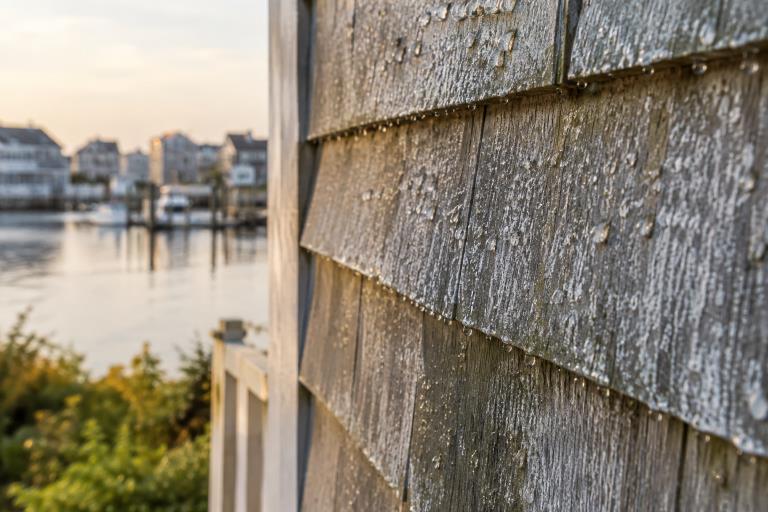
Buying near the water in Ponte Vedra Beach is about more than choosing a home with attractive finishes or an ocean view. The right neighborhood should work with your daily routine, financial priorities, tolerance for weather-related upkeep, and plans for the years ahead. Buyers comparing the beach, Intracoastal Waterway, gated golf communities, and nearby inland areas can benefit from a local market perspective. Ponte Vedra Beach real estate agents Christie’s International Real Estate First Coast are part of CIRE First Coast, a Northeast Florida brokerage with property search, valuation, advisor, and community resources covering Ponte Vedra Beach, Jacksonville, Atlantic Beach, Nocatee, St. Augustine, and other First Coast locations. That local coverage can be useful when evaluating the street-by-street differences that shape a coastal purchase.
Start With the Neighborhood, Not the House
A beautiful kitchen, pool, or wide water view cannot change a difficult commute, limited parking, seasonal traffic, or a location that feels too busy or too isolated. Beachside living may offer quick access to sand and surf, while homes closer to the Intracoastal can provide a different relationship with boating, marsh views, and waterfront maintenance. Inland communities may offer other advantages, including different road access and proximity to everyday services. During each showing, look beyond the lot line. Notice road width, lighting, noise, sidewalks, guest parking, delivery access, and the condition of neighboring properties. These details are often harder and more expensive to change than paint colors or appliances.
Build a Simple Neighborhood Scorecard
Rate every neighborhood from one to five immediately after visiting. Use the same categories each time to keep a strong emotional reaction from controlling the decision.
- Lifestyle fit: Walkability, privacy, beach access, recreation, dining, and pace.
- Total cost: Purchase price, insurance, taxes, utilities, association dues, and upkeep.
- Coastal conditions: Drainage, wind exposure, water exposure, exterior wear, and landscaping needs.
- Daily convenience: Grocery shopping, medical care, schools, airport routes, and commuting.
- Future flexibility: Resale appeal, rental restrictions, renovation options, and changing household needs.
Compare the Full Cost of Ownership
The purchase price is only the starting point. Before making an offer, request insurance estimates for the specific address and review property taxes, homeowners association dues, utility costs, and likely maintenance needs. Salt air, wind-driven rain, and water exposure can make routine attention to roofs, exterior finishes, windows, drainage, landscaping, docks, seawalls, or storm protection particularly important, depending on the property. A lower-priced home can be less affordable over time if it requires more expensive coverage or significant deferred maintenance. Build a monthly and annual ownership estimate, then add a reserve for inspections, repairs, and weather preparation.
Research Flood and Storm Risk
Flood risk is not the same as wind risk, storm surge, erosion, or ordinary water intrusion. Review several sources, including elevation information, drainage patterns, seller disclosures, prior permits, and conversations with qualified insurance and inspection professionals. The FEMA Flood Map Service Center can help buyers locate official flood maps, but it should be one part of a broader property review. Ask whether the street, bridge, or approach road becomes difficult to use after heavy rain. Also ask how water moves across the yard, whether drainage systems have been improved, and whether prior repairs addressed a one-time event or an ongoing condition.
Visit at Different Times
A neighborhood can feel completely different on a quiet weekday morning than on a weekend afternoon. Visit during commute periods, evenings, and busy beach hours. If practical, return after rainfall to observe standing water, traffic flow, and drainage. Drive the routes you would actually use for work, school, groceries, recreation, and medical appointments.
Study Local Rules and Association Documents
For homes in an association, review governing documents, current fees, reserve information, meeting minutes, planned work, and any special assessments. Confirm rules for rentals, pets, boats, parking, fences, exterior changes, and renovations. Condominium buyers should also examine building insurance, maintenance plans, inspection records, and the responsibilities assigned to owners versus the association.
Consider Access and Everyday Services
Convenience affects both daily enjoyment and future buyer interest. Compare single-road access with neighborhoods offering multiple routes. Test cell service and internet options, and consider trash collection, utility reliability, street lighting, bike routes, sidewalks, and guest access. Think through how the location will work for children, older relatives, pets, and visitors during a typical week.
Look Beyond Current Appearance
Research planned road work, vacant parcels, zoning proposals, shoreline projects, drainage improvements, and nearby construction. A quiet setting may change if the surrounding land is developed, while a busier location may gain useful services or infrastructure. Reviewing public planning information can help you assess whether the neighborhood is likely to support your priorities in five to ten years.
Use Local Expertise Without Giving Up Due Diligence
Local real estate professionals can explain differences in buyer demand, neighborhood character, recent sales, and typical property upkeep. Their insight should complement, not replace, your own due diligence. Verify permits, insurance terms, inspection findings, association records, survey details, and public information independently before closing.
Ask Better Questions Before Making an Offer
- What do comparable homes nearby typically cost to insure?
- Has the home, street, or access route experienced flooding or storm-related issues?
- Are repairs, assessments, or public projects planned?
- What restrictions apply to rentals, renovations, parking, pets, or boats?
- What would make this neighborhood appealing to a future buyer?
Watch the News, but Verify the Property
Coastal weather and insurance news can be a useful prompt for deeper research, but broad headlines do not describe every home or street. Move from general information to property-specific questions. Request relevant records, obtain quotes, inspect carefully, and compare several neighborhoods before deciding whether an entire area fits your goals.
Create a Final Comparison Before Choosing
Select three to five neighborhoods, score them consistently, collect documents and insurance estimates, and visit each at least twice. Remove any option that fails a non-negotiable requirement, such as access, budget, or association rules. Then compare the remaining choices based on comfort, cost, risk, convenience, and long-term flexibility.
Choose the Place That Fits Real Life
The best Ponte Vedra Beach neighborhood is not automatically the closest to the ocean or the most expensive. It is the one that aligns with how you live, what you can comfortably maintain, and how much uncertainty you are prepared to manage. A careful scorecard, repeat visits, clear insurance information, and thorough local research can turn an exciting coastal search into a more confident decision.
Conclusion
Choosing a neighborhood in Ponte Vedra Beach means weighing coastal appeal against the practical details that shape everyday life and long-term ownership. A beautiful view or convenient beach access may be appealing, but buyers should also consider insurance, taxes, association rules, maintenance, flood exposure, transportation, and access to essential services. Visiting neighborhoods at different times and reviewing property-specific records can reveal details that may not be obvious during a showing. Comparing three to five areas using the same scorecard can also help keep priorities clear and prevent a single memorable property from overshadowing important concerns. With careful research, realistic cost estimates, and thorough due diligence, buyers can identify a coastal community that fits their routines, financial priorities, and plans for the years ahead.