Most people book a mountain town trip around one thing: powder. Then they get there, the snow turns to slush by noon, and they’re standing in a rental shop wondering what else there is to do. I’ve made that mistake twice. The fix isn’t more research, it’s knowing when to look and what to search for.
Here’s the short version. In an arts town like Park City, the cultural schedule runs on its own clock, separate from the ski season. Galleries swap shows monthly, film screenings cluster in shoulder seasons, and workshops fill weeks in advance. If you plan your trip around the calendar instead of the forecast, you get a better weekend. The park city events calendar is the single best place to start because it pulls local arts programming into one list rather than making you hunt across a dozen venue pages.
This guide walks you through the three decisions that actually matter: when to go, what to book first, and how to build a day that doesn’t collapse when the weather changes.
Start With the Season, Not the Dates
Mountain towns have four distinct personalities, and the arts scene reflects each one. Winter is peak tourism, which means crowded restaurants and higher lodging rates, but also the densest lineup of performances and gallery openings because that’s when the audience is in town.
Spring and fall are the sweet spot for culture-focused visitors. Crowds thin out, lodging gets cheaper, and local venues lean into programming that doesn’t depend on tourists. Summer brings outdoor concerts, festivals, and street fairs, which is great if you like crowds and bad if you want a quiet gallery afternoon.
My take: if you’re going specifically for arts and culture rather than skiing, aim for late spring or early fall. You’ll pay less, deal with fewer people, and still catch real programming. Winter is the move only if you want the biggest events and don’t mind the premium.
One thing to check before you commit: mountain weather swings hard, even in shoulder season. According to the National Weather Service, elevation-driven temperature changes in mountain regions can be significant within a single day, so pack layers regardless of the month you pick. A 70-degree afternoon can turn into a 40-degree evening fast.
Book the Anchors First, Then Fill In
Every cultural weekend has two or three events that are the reason you’re going. Those are your anchors. Everything else is filler, and filler is easy to rearrange.
Here’s the order I’d book in:
- Anything with a fixed start time and limited seats. Workshops, ticketed performances, and guided tours go first because they can’t be rescheduled and they sell out.
- Dinner reservations near your anchor event. Not because the food is the point, but because a 30-minute walk across town in the cold ruins an otherwise good evening.
- Gallery time. Galleries are the most flexible item on your list. Most have open hours, no tickets, and you can drop in whenever there’s a gap.
- Everything else. Lectures, book discussions, pop-up markets. These fill the gaps and they’re usually the parts people remember most, because they’re unplanned.
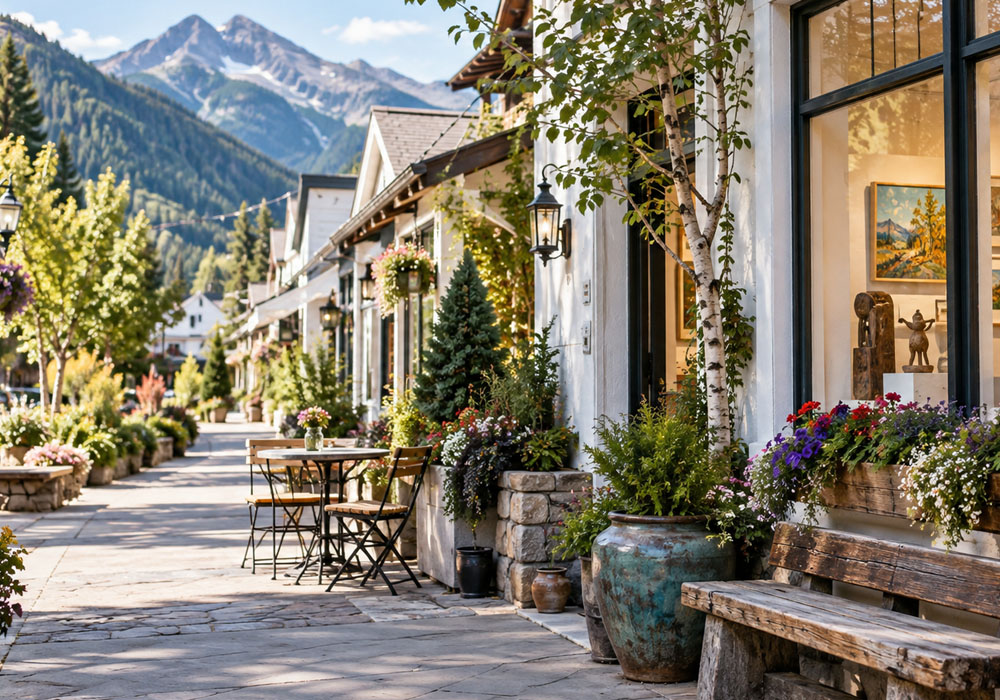
The mistake I see most often is booking a full schedule of ticketed events and leaving no room to wander. Mountain arts towns reward wandering. Main Street galleries in a place like Park City are clustered within walking distance of each other, which means an unplanned hour can turn into four gallery visits and a conversation with an artist.
What Kind of Programming Should You Actually Expect?
Arts calendars in towns like this tend to sort into a few recognizable buckets, and knowing them helps you filter fast.
- Visual arts: gallery exhibitions, cooperative studio spaces, public art installations.
- Film: independent screenings, documentary series, festival programming.
- Performance: theater, dance, live music, often in smaller venues.
- Hands-on: painting workshops, craft classes, writing groups.
- Cultural festivals: celebrations of specific communities, food, music, and traditional performance.
Nonprofit arts councils often run their own signature programs alongside the community listings, which is worth knowing because those events tend to be well organized and reasonably priced. You’ll also find that many listings include the full detail set: date, time, location, price, and how to reserve a spot. That’s genuinely useful when you’re building a schedule from out of town.
If you’re comparing this to a bigger city arts scene, the tradeoff is scale versus access. A large metro might have a hundred options on a Saturday. A mountain town might have eight, but you can actually get into all of them, and the person running the gallery is often the person who made the work. I’d pick the smaller scene every time for a short trip.
A Concrete Two-Day Build
Here’s how I’d structure a Friday to Sunday in a town like this. The reasoning matters more than the specifics, since your actual lineup depends on what’s scheduled.
| Time | What to Do | Why
|
| Friday afternoon | Arrive, walk Main Street galleries | Low commitment, gets you oriented, no tickets needed |
| Friday evening | Ticketed performance or film screening | Fixed start time, so book this before you travel |
| Saturday morning | Workshop or guided tour | Best energy for hands-on activities |
| Saturday afternoon | Public art walk, pop-up market, or festival | Outdoor, weather dependent, easy to swap |
| Saturday evening | Dinner near your second anchor event | Reserve early, especially in peak season |
| Sunday | Book discussion, lecture, or a return gallery visit | Low pressure, good before a drive home |
Notice that only two items on that table are truly fixed. That’s intentional. A schedule with too many locked slots becomes a stress test the moment anything runs long or the weather turns.
One more consideration if you’re traveling with a group: assign one person to own the calendar. Shared planning sounds democratic, but in practice it means nobody books the workshop and everyone’s annoyed on Saturday morning.
The Part Most People Get Wrong
They treat culture as a backup plan. Something to do if the mountain closes or the hike gets rained out. That framing guarantees you miss the good stuff, because the good stuff requires a reservation made two weeks earlier.
Flip it. Build the trip around two or three cultural anchors, then fit the outdoor time in around them. You’ll still get your hike. You’ll just also get a gallery opening and a film screening you wouldn’t have found otherwise.
And if you’re the type who wants something to look forward to after the trip ends, follow a local arts organization’s updates year round. Cultural seasons in mountain towns don’t stop when the lifts close. They just change shape. According to the National Park Service, heritage and cultural programming draws visitors to mountain regions across every season, not just the peak ones, which means there’s almost always something running if you know where to look.
That’s the whole game: pick your season deliberately, anchor on ticketed events, and let the flexible stuff fill the gaps. Do that and a weekend in a mountain arts town stops being a ski trip with downtime and starts being the actual reason you went.
So here’s your first move. Before you book flights or a room, pull up the local arts calendar and check what’s running the weekend you’re considering. If nothing grabs you, pick a different weekend. The calendar tells you more about a mountain town than the trail map does.