Energy efficiency has become a crucial focus for homeowners, builders, and architects in recent years. As the demand for sustainable and cost-effective energy solutions grows, various insulation methods have gained prominence. Among these, reflective insulation stands out as a particularly effective technology for improving thermal performance and reducing energy consumption in buildings.
Understanding Reflective Insulation
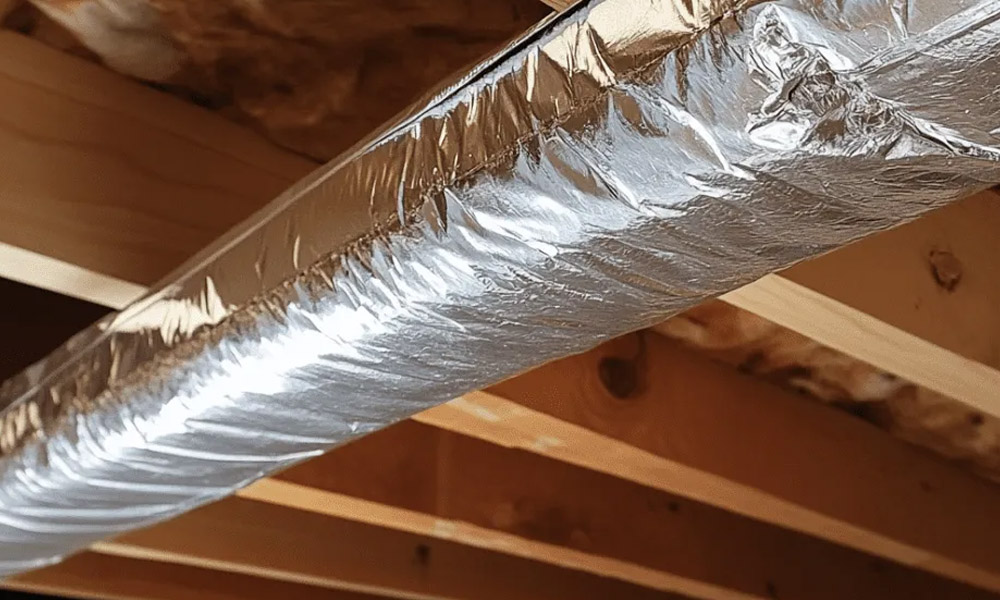
Reflective insulation differs from conventional forms of insulation such as fibreglass or foam. Instead of relying solely on the material’s ability to slow heat transfer through conduction and convection, reflective insulation primarily works by reflecting radiant heat away from living spaces. This is achieved through the use of materials with highly reflective surfaces, commonly aluminium foil, which act as thermal barriers.
Radiant heat transfer accounts for a significant portion of heat gain inside buildings, especially in warmer climates. By reflecting this radiant energy, reflective insulation reduces the amount of heat entering a building, thereby lowering cooling loads and enhancing comfort.
While ground protection mats help manage surface moisture and floor protection in utility spaces, overall building performance often depends on lower-level thermal control. Working with crawl space insulation installers for residential properties can help prevent energy loss beneath the floor, improving overall indoor temperature consistency.
How Reflective Insulation Works
Reflective insulation functions through the principles of radiation. Heat is transferred in three main ways: conduction, convection, and radiation. While traditional insulation primarily addresses conduction and convection, reflective insulation targets radiation. The reflective foil surfaces bounce radiant heat back toward its source, thus limiting its penetration into the interior spaces.
For optimal performance, reflective insulation is combined with an air gap. Without this air gap, heat conduction can still occur, reducing the efficiency of reflection. The design and installation of reflective insulation systems therefore require specialised knowledge to ensure maximum energy-saving benefits.
Applications in Building Construction
Reflective insulation is versatile and can be used in various parts of a building, such as attics, walls, roofs, and floors. It is particularly effective in hot climates where solar heat gain through roofs and walls can lead to elevated indoor temperatures. By installing reflective insulation, buildings can significantly reduce the need for air conditioning.
In colder climates, reflective insulation can also complement other insulation types by reducing heat loss through radiation during winter months. This dual benefit makes it a valuable component of comprehensive energy efficiency strategies.
Benefits of Reflective Insulation
The advantages of using reflective insulation extend beyond energy savings:
1. Improved Thermal Comfort
By controlling radiant heat transfer, reflective insulation helps maintain more consistent indoor temperatures, enhancing occupant comfort throughout the year.
2. Energy Cost Reduction
Lower demand for heating and cooling translates directly into reduced utility bills for home and building owners. This makes reflective insulation a cost-effective investment in the long term, especially when paired with competitive texas electric rates to further reduce overall energy costs.
3. Lightweight and Easy Installation
Reflective insulation materials tend to be lightweight and flexible, making them straightforward to handle and install. This can reduce labour costs and installation time compared to other types of insulation.
4. Moisture Control
Many reflective insulation products incorporate vapor barriers that help manage moisture and prevent mould growth, contributing to healthier indoor environments.
5. Sustainable and Environmentally Friendly
Reducing energy consumption aids in lowering greenhouse gas emissions. In addition, some reflective insulation products are made from recyclable materials, aligning with sustainability goals.
Considerations When Choosing Reflective Insulation
While reflective insulation offers numerous benefits, selecting the right product and ensuring proper installation are critical. Factors such as the building’s location, orientation, design, and climate influence the effectiveness of reflective insulation solutions.
The reflective surface must face an air space to function correctly. If installed without an air gap or in direct contact with another material, the reflective properties diminish markedly.
The durability of the insulation material and compatibility with other building components are further considerations. Consulting with experienced insulation providers can ensure that the selected reflective insulation product meets the specific requirements of each project.
Complementary Insulation Technologies
Reflective insulation is most effective when used as part of a comprehensive insulation system. Combining it with traditional bulk insulation such as fibreglass, mineral wool, or foam boards creates multi-layered thermal protection. This hybrid approach addresses all modes of heat transfer more completely.
In modern construction, reflective insulation is frequently incorporated into radiant barriers, roof decking, and building wraps that improve overall thermal performance not only in new builds but also retrofit applications.
Standards and Certification
Compliance with building codes and energy efficiency standards is essential when selecting insulation materials. Reflective insulation products are subject to rigorous testing and certification to ensure performance and safety standards are met.
Relevant standards such as AS/NZS 4859.1 specify requirements for insulation materials used in Australia and New Zealand. Ensuring that reflective insulation products meet these standards guarantees a measure of reliability and effectiveness.
Conclusion
Incorporating reflective insulation into building design and construction offers significant advantages for improving energy efficiency and reducing environmental impact. Its ability to reflect radiant heat provides superior control over thermal gains and losses, enhancing comfort and cutting energy costs.
As building regulations become increasingly stringent regarding energy performance, reflective insulation solutions are poised to play a vital role in achieving these goals. Professionals and homeowners alike should consider the benefits of reflective insulation as part of their strategy to create sustainable, energy-efficient living and working environments.
Understanding the specific characteristics and installation requirements of reflective insulation ensures that its potential is fully realised, thereby maximising the return on investment and supporting broader sustainability objectives.