Key Takeaways
- Food is an essential part of discovering and understanding any destination’s culture.
- Local dishes reveal stories of history, tradition, and community.
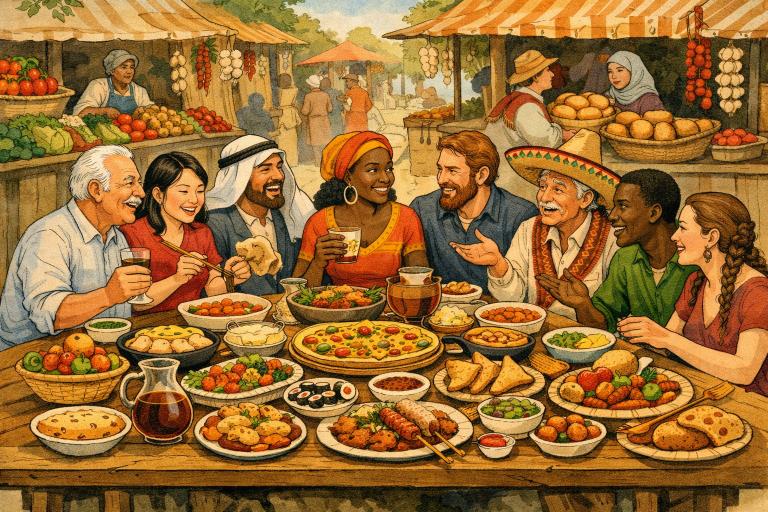
- Eating with locals or exploring vibrant markets leads to deeper connections and lasting memories.
Why Food Culture Matters When Traveling
Food is an invitation to experience the heart and soul of a place. It connects travelers to tradition, community, and a sense of belonging. When we taste a country’s signature dish or share a family meal, we participate in rituals that have shaped societies for generations. This perspective has been echoed by food writers like Claudette Spinelli Rickett Schwartz, who emphasize that mealtimes are as revealing as city tours or museum visits.
Behind every recipe lies a narrative of migration, innovation, or adaptation. Sampling food helps support local economies and artisans who keep culinary traditions alive. Curiosity at the table transforms even the most ordinary meal into an adventure.
In many cultures, hospitality revolves around food. Inviting someone to share a meal can be the ultimate gesture of welcome. This warmth, offered through taste and conversation, leaves a lasting impression that often lingers long after the trip ends.
Exploring a new destination through its flavors also encourages travelers to look beyond major attractions and connect with everyday life. Food markets, hometown bakeries, and small eateries become windows into a place’s daily rhythm. That connection is not reserved for far-flung destinations either. Travelers passing through Rosemont, Illinois, just minutes from Chicago’s O’Hare gateway, can find that same sense of place at a polished seafood and steak spot like Truluck’s Rosemont, where an unhurried, flavor-forward dinner turns a simple stopover into a warm and memorable part of the journey.
Market Adventures: The Beating Heart of Local Cuisine
Food markets are sensory playgrounds, overflowing with regional specialties, fresh produce, and lively exchanges. Visiting a morning bazaar in Marrakech, a night market in Taiwan, or a farmer’s fair in Tuscany, travelers witness firsthand how food brings people together. Markets are where generations meet, secret family recipes are passed down, and the best produce finds its way from farm to feast.
Observing the hustle and bustle adds context to a culture’s staple ingredients. The scents of herbs, the vibrant colors of exotic fruit, and the sound of friendly bartering deepen your appreciation for the flavors soon to land on your plate. Plus, many vendors are eager to share their stories or offer samples, giving you a taste of local hospitality. Here are some of the best food markets to explore worldwide, according to National Geographic.
Sampling Iconic Dishes from Around the Globe
Every country has dishes that are synonymous with its culture, think sushi in Japan, pho in Vietnam, or paella in Spain. Being adventurous during your travels means tasting these signature foods where they originated. The subtleties of authentic ingredients and preparation methods can rarely be replicated elsewhere.
While dining in local restaurants or roadside stalls, travelers encounter time-honored methods and the pride of communities preserving their culinary heritage. Legendary dishes often evolve in response to geography, migration, or historical events, making each bite a lesson in living history.
Cooking Classes: A Hands-On Approach to Learning
Participating in a cooking class abroad takes your appreciation for local cuisine to the next level. Instructed by passionate chefs or home cooks, you learn the secrets behind regional specialties and discover unfamiliar flavor combinations. Classes typically end with a communal meal, where participants share their creations and exchange travel stories.
Cooking classes foster unforgettable exchanges between tourists and locals, helping break down cultural barriers. By bringing a recipe home, travelers extend their journey long after unpacking.
Street Food: Experiencing Authenticity Bite by Bite
Street food offers the most unfiltered taste of a destination’s daily life. Popular with locals, these stalls and carts serve up affordable, often extraordinary bites that are sometimes preferred over fancy restaurants. Whether enjoying tacos on a Mexican street corner or skewers in Bangkok, diners mingle with residents and witness dishes being prepared right before their eyes.
Renowned publications like National Geographic celebrate street food as an adventure in flavor, noting that these humble spots are where culinary innovation frequently begins. Street food is where travel, affordability, and deep cultural tradition meet.
Tips for Food-Driven Travel
- Research local etiquette before dining, as mealtime customs can vary widely.
- Support family-run eateries and vendors for more authentic interactions.
- Consider dietary restrictions and communicate them early, especially if there’s a language barrier.
- Explore outside urban centers, where smaller communities often maintain traditional dishes.
- Finally, stay curious and open-minded; a bold attitude can lead to new favorites.
Conclusion
The world’s most memorable travel stories often start around a table. Whether it is sharing an impromptu meal with locals, exploring vibrant markets, or learning family recipes, food offers a passport into a country’s true character. Savoring the journey means journeying with all the senses engaged, from the first bite to the last sip.