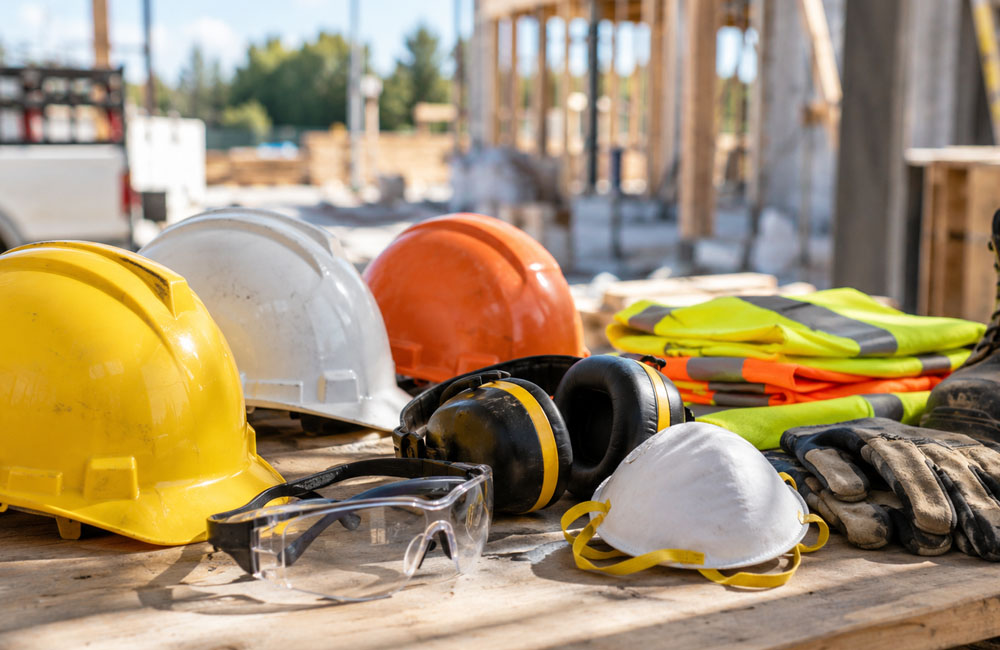
Most small crews I have worked around spend their safety budget on the same three things: hard hats, hi-vis vests, and one big box of mismatched gloves. Then a spark from a grinder catches a sleeve, or someone drops a grade 80 chain on an unguarded boot, and everyone suddenly cares about the gaps. The problem usually is not the gear itself. It is the fact that nobody built an actual system around it.
This guide hands you that system. You will get a simple way to decide what your crew needs before the job starts, a checklist you can print and hand to a supervisor, and honest guidance on where to spend and where it is fine to go cheap. If you have ever bought fifteen pairs of the same glove and watched nobody use them, read on.
Why the “same kit for everyone” approach quietly fails
The default move for a small builder is to buy one bulk order and hand it out evenly. It feels fair. It is also the reason you end up with the wrong glove on the wrong hand, because hand protection is not a one-size-fits-all category. Cut and puncture resistant knit, chemical resistant nitrile, leather for heat and welding, and disposable gloves each solve a completely different task. A single order cannot cover all four without leaving someone exposed.
Now think about your own site. If your crew cuts, welds, mixes, and climbs all in the same day, you are asking four different jobs to share one set of gear. That is where injuries sneak in, and it is also where your money disappears. The fix is to stop shopping by product and start shopping by task.
What each work area actually demands from your gear
Separate your jobsite into zones and list what each one throws at a person. Your cutting and grinding area needs eye protection that survives high velocity fragments, so sealed goggles beat fashion eyewear. Anyone on a roof or a ladder belongs in a full body harness with the correct lanyard for the fall distance. Welding bays call for fire retardant clothing and a face shield, not a cotton long sleeve. Chemical handling needs gloves rated for the specific substance, which means you check the material compatibility chart before you buy anything.
Hearing damage is the one most small crews overlook, because it happens slowly. Permanent hearing loss is the most common work related injury in the United States, per the Centers for Disease Control and Prevention, and it is completely preventable with the right ear plugs or muffs. That single fact should settle any argument about whether hearing protection is optional on a site running a demo saw all afternoon.
Sun and hydration deserve a spot on the same list. Skin cancer risk climbs for anyone working outdoors year round, and sun protection counts as gear you plan for, not an afterthought you grab from the truck. That is why the best stocked sites now include sunscreen, hydration supplies, and cooling items alongside respirators.
Use the Zone-Match-Replace method to build your order
I use a simple three step framework with the crews I advise. It keeps a buying list short and it kills waste fast. Call it Zone-Match-Replace.
Zone. Walk the site and name every area where a hazard exists. Do not list the products yet. Just the spots.
Match. For each zone, write down the single piece of gear that removes the hazard. One zone, one primary item. If you struggle to name one, the zone needs an engineering fix like a guard or a screen, not more gear.
Replace. Set a real replacement trigger for every item. Gloves get swapped when the grip wears through, not when the calendar says so. Harness webbing gets retired the second you spot fraying or chemical damage. Eyewear goes when the lens is scratched enough to blur your view.
The whole exercise takes twenty minutes. It also stops the classic mistake of buying tons of gear that never fits the task. The output is a short, defensible list you can price out in one sitting.
A supervisor’s checklist you can print and hand out
This is the version I would tape inside a site shed door. Work through it before each new phase of a job.
- Walk the site and mark every zone where a hazard exists.
- Confirm head protection is in good condition and actually fits each person.
- Check that eye protection on site matches the task, with sealed goggles for high velocity debris.
- Verify hand protection matches the hazard, and inspect it for cuts, holes, or chemical breakdown before reuse.
- Make sure harnesses and lanyards are within service life and free of damage.
- Check footwear is closed, sturdy, and free of splits or crushed toes.
- Stock sun, hydration, and hearing protection where outdoor work runs long.
- Log every damaged item and remove it from service the same day.
Run it as a real conversation, not a box you tick while walking to your ute. Gear that is present but unworn is a legal problem waiting to happen.
What to check before you place the order
Most small crews have no dedicated safety manager, so you are doing this between quotes. Keep the checks simple and you will not miss the important ones.
Confirm the product meets an applicable standard and the supplier can show that in writing. OSHA sets the baseline duties employers owe workers, and if you are buying safety gear for a crew you are the one on the hook for meeting it. Beyond that, ask yourself a short list of questions before you click buy.
| Consideration | Why It Matters
|
| Task fit | Gear must match the specific hazard in each zone |
| Certification | Compliance evidence protects you and your crew |
| Fit and sizing | Ill fitting gear gets taken off and left on the bench |
| Supply consistency | You need the same item available next month, not a one off |
| Price per crew cycle | Cheaper often means replacing it twice as fast |
| Replacement schedule | Set triggers, not guesses |
Buy from a supplier that stocks the whole range in one place, so a top up is a single order. Hand protection, eye protection, respiratory, head protection, hearing protection, first aid and sun care all live together in one catalogue when you shop something like this Personal Protective Equipment range. That matters more than it sounds. If your crew runs out of gloves mid week, the job either stops or someone works without them.
One more thing. Try samples before you commit to a big order. I have watched crews reject perfectly good respiratory gear because the mask pinched their nose, and there is no spreadsheet fix for that.
The budget call: where to spend and where to save
Spend on anything that prevents a fatal or permanent injury. Fall protection, head protection, respiratory gear for dust and fumes, and chemical rated gloves are not places to hunt for the cheapest option. My own stance is blunt: I would rather cut the comfort extras than cut a harness inspection.
Save on the items where quality differences are marginal, like disposable gloves and basic ear plugs, as long as they meet the standard and fit. Bulk buying these works. Just keep the bulk purchase tied to your Zone-Match-Replace list so you are not storing pallets of gear nobody touches.
Also budget for the boring part: training and storage. Labeled storage bins, one per zone, do more for compliance than any poster on the wall. People wear what they can find in five seconds.
What you gain when the system is in place
A few months into running this, the change shows up in unexpected ways. Fewer emergency trips to the hardware shop mid job. Fewer arguments about whether gear is required. Clearer answers when a client or insurer asks how you manage risk. And the quiet confidence that comes from knowing every person on site is wearing something chosen for the work in front of them. Start with one zone tomorrow. Walk it, name the hazard, and match it to the right item. Do you know which piece of your current kit is failing your crew right now?