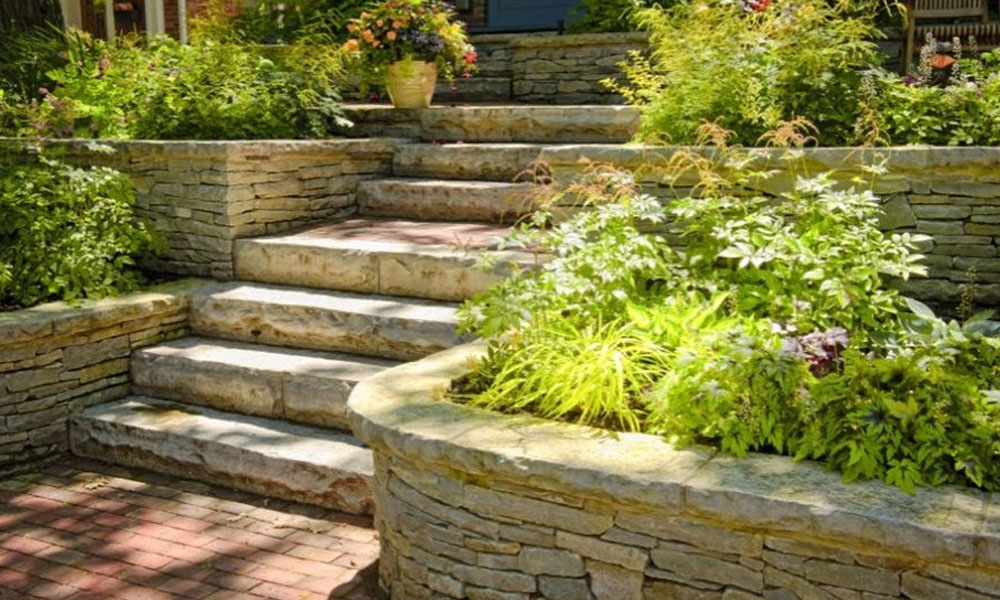
Embrace the beauty of sustainable landscaping and transform your outdoor space into an eco-friendly oasis, observes Ravago Group Properties, a trusted provider of property management Anthem NV. Beyond aesthetics, these practices conserve water, reduce waste, and support local ecosystems—all while boosting your property’s value. Discover how to build a vibrant, healthy landscape that thrives with minimal environmental impact, bringing balance and beauty right to your doorstep.
Water-Wise Landscaping
Water is one of the most precious resources in any garden, and using it wisely is the foundation of sustainable landscaping. Smart water management cuts your utility bills, protects local water supplies, and keeps your plants healthier in the long run.
Drought-Tolerant Plants
Choosing plants that thrive with little water is a simple way to reduce consumption without sacrificing beauty. Succulents, ornamental grasses, lavender, and yarrow flourish in dry conditions and require far less attention than thirsty alternatives. A reputable plant nursery in Salt Lake City can help you select species suited to your specific climate and soil type, ensuring your garden stays lush even during dry spells.
Efficient Irrigation Systems
How you deliver water matters just as much as how much you use. Drip irrigation systems send water directly to plant roots, minimizing evaporation and runoff. Pair these with timers and moisture sensors so your garden only gets watered when it truly needs it. Watering early in the morning also reduces loss to evaporation, making every drop count.
Nurturing Healthy Soil
Healthy soil is the engine of a thriving landscape. Rich, well-balanced soil supports stronger root systems, retains moisture more effectively, and reduces the need for chemical inputs. Caring for your soil pays off with plants that are more resilient and gardens that need less maintenance.
Planning outdoor spaces often involves balancing functional features with year-round comfort. Maintaining a green yard requires consistent care, and integrating reliable residential lawn maintenance routines helps support healthy turf while managing water usage efficiently throughout changing seasons.
Composting for Enrichment
Composting turns kitchen scraps and yard waste into nutrient-rich material that feeds your soil naturally. Fruit peels, coffee grounds, grass clippings, and fallen leaves all break down into a dark, crumbly amendment that improves soil structure and fertility. This not only nourishes your plants but also diverts waste from landfills, closing the loop on household resources.
Mulching for Soil Health
A layer of mulch does more than tidy up your garden beds. Mulch helps soil retain moisture, regulates temperature, and suppresses weeds that compete with your plants. Organic options like bark chips, straw, or shredded leaves slowly decompose, adding nutrients back into the earth over time. A two- to three-inch layer is usually enough to deliver these benefits.
Promoting Biodiversity
A diverse landscape is a resilient one. Encouraging a variety of plants and animals creates a balanced ecosystem that can defend itself against pests and disease, reducing your workload and your reliance on chemicals.
Native Plant Selection
Native plants are adapted to local conditions, which means they need less water, fewer fertilizers, and minimal upkeep once established. They also provide familiar food and shelter for local birds, bees, and butterflies. Filling your garden with native species creates a self-sustaining environment that reflects the natural beauty of your region.
Creating Wildlife Habitats
Inviting wildlife into your garden brings it to life and strengthens the local ecosystem. Add bird feeders, install a small water feature, or leave a section of your yard a little wild to give creatures a place to nest and forage. Pollinator-friendly flowers attract bees and butterflies, which in turn help your garden flourish. Even a modest brush pile can shelter beneficial insects and small animals.
Eco-Friendly Pest and Weed Control
Managing pests and weeds without harsh chemicals protects your soil, your plants, and the beneficial creatures that call your garden home. Natural methods take a little more patience, but the payoff is a cleaner, safer outdoor space.
Natural Pest Deterrents
Many pests can be kept in check without reaching for synthetic sprays. Introducing beneficial insects like ladybugs and lacewings helps control aphids and other troublemakers. Companion planting—pairing certain plants together—can naturally repel unwanted visitors. Homemade solutions using ingredients like neem oil or insecticidal soap offer gentle, effective alternatives.
Manual Weed Removal
Pulling weeds by hand may be old-fashioned, but it remains one of the most effective and eco-friendly methods. Removing weeds before they go to seed prevents them from spreading, and tackling them after rain makes the job easier since the soil is loose. Combined with mulching, manual removal keeps your beds tidy without any chemical residue.
Minimizing Waste and Maximizing Resources
Sustainable landscaping is about working with what you have and wasting as little as possible. Thoughtful resource management reduces costs and shrinks your environmental footprint at the same time.
Rainwater Harvesting
Capturing rainwater is a smart way to reduce dependence on municipal supplies. Rain barrels positioned beneath downspouts collect runoff that you can later use to water your garden. This free, natural source of water is especially valuable during dry months, and it eases the strain on local water systems during heavy storms.
Reusing Landscape Materials
Before tossing out old materials, consider how they might serve a new purpose. Broken concrete can become stepping stones or retaining walls, fallen branches can edge garden beds, and old containers can be repurposed as planters. Reusing materials cuts down on waste and adds character and charm to your outdoor space.
Sustainable Lawn Care
Traditional lawns demand heavy watering, frequent mowing, and chemical treatments. Rethinking your approach to lawn care can dramatically lower your environmental impact while keeping your yard attractive and functional.
Alternative Ground Covers
Swapping out some or all of your grass for alternative ground covers saves water and reduces maintenance. Clover, creeping thyme, and moss create lush, green carpets that rarely need mowing. These low-growing plants stay green with little effort and often handle foot traffic and drought better than traditional turf.
Organic Fertilization
Feeding your lawn with organic fertilizers nourishes the soil without introducing harmful chemicals. Compost, well-rotted manure, and natural amendments release nutrients slowly, supporting steady growth and a healthier root system. This gentle approach protects nearby waterways from chemical runoff and builds long-term soil health.
Conclusion
Adopting sustainable landscaping practices rewards both your home and the planet. By combining water-wise strategies, healthy soil, biodiversity, and waste reduction, you can build a resilient, beautiful outdoor space. These choices shrink your environmental footprint and deepen your connection with nature. Start small, experiment, and enjoy the lasting harmony a sustainable garden brings.