Key Takeaways
- Military medals symbolize courage, dedication, and excellence.
- They serve as powerful motivators for personal and professional growth.
- Recognition through medals can inspire service members to achieve greater heights.
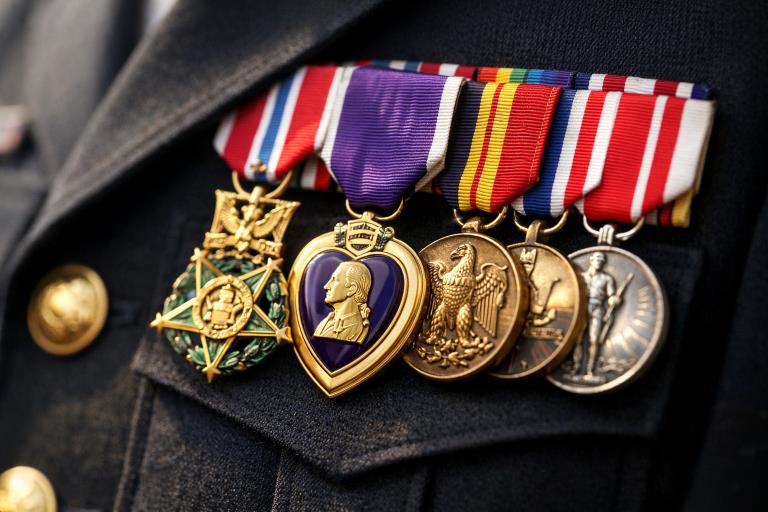
Military medals are more than just decorations. They are powerful symbols that encapsulate courage, dedication, and the relentless pursuit of excellence. For service members, these prestigious honors ignite a deep sense of pride and purpose, motivating both personal and professional development. To better understand the significance of each award and its impact, it can be helpful to review a comprehensive military medals chart that details each medal’s criteria and history.
These tangible marks of recognition not only celebrate acts of valor but also foster ambition, instill discipline, and reinforce the core values of military service. When awarded, a military medal is not just a token of appreciation. It is an encouragement for individuals to achieve even greater heights of performance, both on the battlefield and beyond.
The Symbolism of Military Medals
Military medals are rich in symbolism. They represent the highest ideals of service, sacrifice, integrity, and courage. Each medal a service member receives tells a story of dedication, commitment, and achievement. For example, the Achievement Medal is awarded for exceptional performance, emphasizing the importance of consistent effort and determination. The symbolism is not only in the ornate design but also in the values and history attached to each distinction.
In essence, receiving a military medal serves as public acknowledgment of an individual’s exemplary conduct or heroic actions. These medals also act as a visual representation of a person’s contributions, fostering respect and admiration from peers and superiors alike. These symbols inspire service members to embody the principles of honor and selflessness in their daily lives.
Recognition as a Motivational Tool
The impact of recognition cannot be underestimated in any setting, and this is especially true in the military. When service members receive medals for their actions, it boosts morale and encourages them to maintain high standards. The act of recognition affirms that their sacrifices and hard work are noticed and valued, which can motivate them to continue striving for success.
Furthermore, recognizing achievement through medals establishes a culture of appreciation. It fosters healthy competition and encourages teams to work together toward shared goals. By highlighting individuals’ accomplishments, the military promotes the idea that diligence and bravery are rewarded, thus attracting others to mimic these admirable behaviors.
Real-Life Examples of Inspiration
Real-life stories bring the significance of military medals to life. A profound example occurred at Fort Stewart, Georgia, when six soldiers were honored with the Meritorious Service Medal for their swift and courageous action during an active shooter incident. Their bravery and teamwork prevented further tragedy, and their recognition sparked admiration and emulation from their peers. These stories underline how recognition can inspire not just the recipients but also other members of the community to act selflessly in times of crisis.
The Impact on Personal Development
Earning a military medal is often the result of sustained discipline, perseverance, and resilience. The journey toward such honors requires individuals to continuously refine their skills, demonstrate integrity, and overcome personal challenges. These qualities are transformative. They help shape character and foster lifelong growth. For many recipients, receiving a medal is a turning point that propels them toward greater goals, both inside and outside of the military. It is not uncommon for decorated veterans to leverage the confidence and skills they developed in the service to succeed in leadership positions, education, or community service roles after their service.
Beyond the Military: Civilian Applications
The lessons behind military medal recognition are widely applicable to civilian life as well. Organizations in the private sector can learn from the military’s systematic approach to acknowledging excellence. Implementing reward and recognition systems in the workplace, such as employee of the month awards or service-specific accolades, can drive motivation and enhance productivity. When individuals feel valued and celebrated for their contributions, they are more likely to invest in their personal and professional development, fostering a thriving and innovative work culture. This Harvard Business Review article discusses evidence-based ways to recognize employees effectively, further solidifying the value of acknowledgment in all environments.
Conclusion
Military medals stand as powerful reminders of courage, sacrifice, and the pursuit of excellence. Their role as motivators extends beyond the individuals who receive them, influencing entire teams, organizations, and communities. By promoting a culture of recognition and appreciation, military honors continue to inspire new heights of achievement, both in service and in civilian life. The stories and traditions behind these medals remind us of the enduring power of human courage and the importance of celebrating excellence wherever it appears.