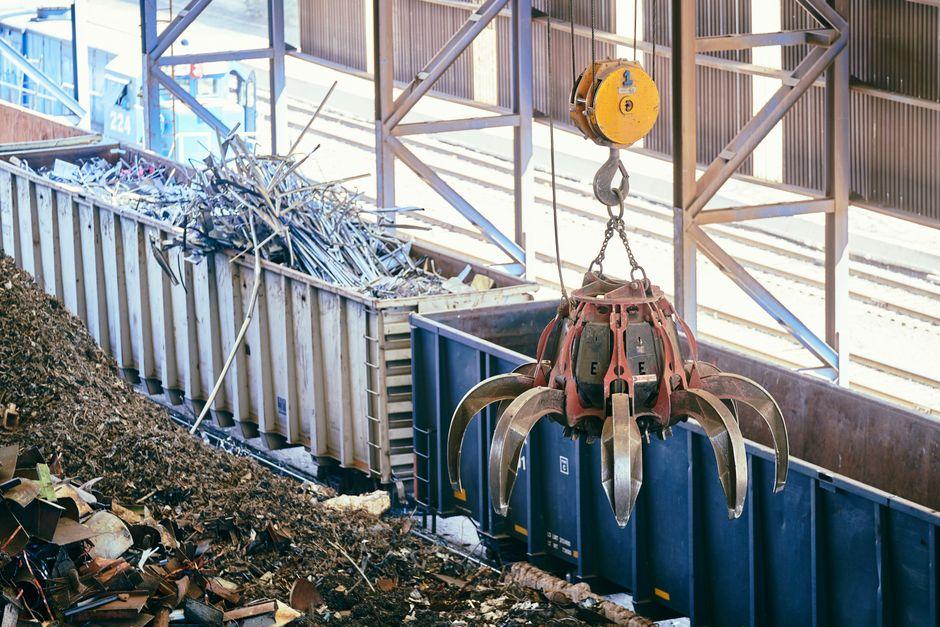
Almost every business that cuts, shapes, builds, or repairs things ends up with metal it no longer needs. Offcuts from a press, old machine parts, damaged shelving, wire trimmings, and stripped equipment all collect in bins and corners until someone decides what to do with them.
For a long time, this material was treated as an afterthought, something to be cleared out when it got in the way. That view is changing. Metal holds its value in a way that most other waste does not, and a company that understands what it is throwing out often finds it has been giving away something worth keeping.
The difference between a pile of junk and a source of income usually comes down to knowledge, habit, and a bit of organization.
A Better Way to Deal With Leftover Metal
Most operations that work with metal produce more waste material than they expect, and it accumulates faster than anyone plans for. Handling all of it in-house, without a proper program behind it, pulls employees away from the work they were hired to do and often leads to material being sold in a rush at whatever price is offered that day. Bringing in an outside partner to take over collection, sorting, hauling, weighing, and payment removes that burden entirely. Many companies choose an outsourced scrap management program for exactly that reason, because it puts the whole process in the hands of people who deal with metal markets every single day.
Knowing What You Actually Have
The first step toward getting fair value is understanding the material itself. Metal falls into two broad families. Ferrous metals contain iron and include steel, cast iron, and most structural material. They are magnetic, heavy, and produced in enormous volume, which keeps their price per pound modest but steady. Nonferrous metals include copper, aluminum, brass, bronze, lead, and zinc. They are not magnetic, they resist rust, and they are worth considerably more by weight.
A simple magnet is the quickest tool for telling the two apart. If it sticks, the piece is ferrous. If it does not, the material is worth setting aside carefully, because that is where most of the money sits. Copper wire, brass fittings, aluminum extrusion, and stainless steel are all commonly thrown into general steel bins by mistake, and once they are mixed in, they are paid for at the lower rate.
How Metal Is Priced and Weighed
Metal prices are set by global demand for raw material and move constantly. Copper responds to construction and electrical manufacturing. Aluminum follows packaging, transport, and building activity. Steel tracks heavy industry and infrastructure work. None of these sit still for long, which is why a quote given one month may look quite different the next.
Weight is established on certified scales, and the paperwork that follows should show the weight of each grade, the price applied to it, and the total paid. A settlement report that lists everything line by line lets a business see which materials are actually earning and whether sorting practices are paying off. Vague, single-line payments make that impossible to judge.
Sorting at the Source
The most reliable way to protect value is to separate material at the moment it is created rather than at the moment it is collected. A machinist who drops aluminum shavings into one container and steel into another has done the hard part already. Once everything lands in a single bin, separating it again takes time that nobody wants to spend, and the temptation is simply to sell the whole mixed load at the lowest common price.
Clear labeling helps more than any written policy. Bins marked plainly for copper, aluminum, steel, and stainless remove the guesswork from a decision that workers make dozens of times a day. Keeping those bins close to where the material is produced matters too.
Storage That Protects Value
Where material sits between collection and sale has a real effect on what it fetches. Rain and damp cause surface rust on steel and corrode aluminum and copper over time. Heavily rusted material is discounted because more of its weight is now oxide rather than usable metal. Covered storage, or at least containers with lids, keeps loads in better condition.
Separation needs to survive storage too. Bins stacked on top of one another, or emptied into a shared roll-off container at the end of the week, undo all the sorting that happened earlier. It is worth checking occasionally that what is inside a container still matches what is written on the outside.
Safety and Housekeeping Around Collection Points
Metal waste carries genuine hazards. Cut edges are sharp, offcuts are heavier than they look, and unstable stacks can shift without warning. Gloves, eye protection, and proper footwear should be standard around any collection area, and lifting equipment should be used rather than muscle wherever a piece is awkward or heavy.
Access routes matter as much as the bins themselves. Containers placed where a truck can reach them without maneuvering through working areas reduce risk for everyone. Keeping walkways clear of stray material prevents trips and makes the site easier to work in generally.
Theft is a practical concern as well, especially with copper and other high-value items. Locked containers, restricted access, and a record of what leaves the site all help.
Keeping Records and Staying Compliant
Metal recycling is a regulated activity, and businesses are expected to know where their material went and who handled it. Records of pickups, weights, and payments serve several purposes at once. They satisfy regulatory expectations, they give accounting a clear trail, and they provide evidence if material ever goes missing.
Any partner handling this material should be properly licensed and able to show it. Documentation that arrives promptly and reads clearly is a good sign that the rest of the operation is run the same way.
Turning a Byproduct Into a Reliable Return
Recycled metal re-enters production using far less energy than new material dug from the ground, and metal can be melted and reused again and again without losing its useful qualities. That makes recycling one of the few areas where the environmental benefit and the financial benefit point in exactly the same direction.
For a business, the shift is mostly one of attitude. Once leftover metal stops being treated as rubbish and starts being treated as inventory with a known value, the habits that protect that value tend to follow naturally. Sorting improves, storage improves, records improve, and the money that used to leak away quietly starts showing up on the books instead.