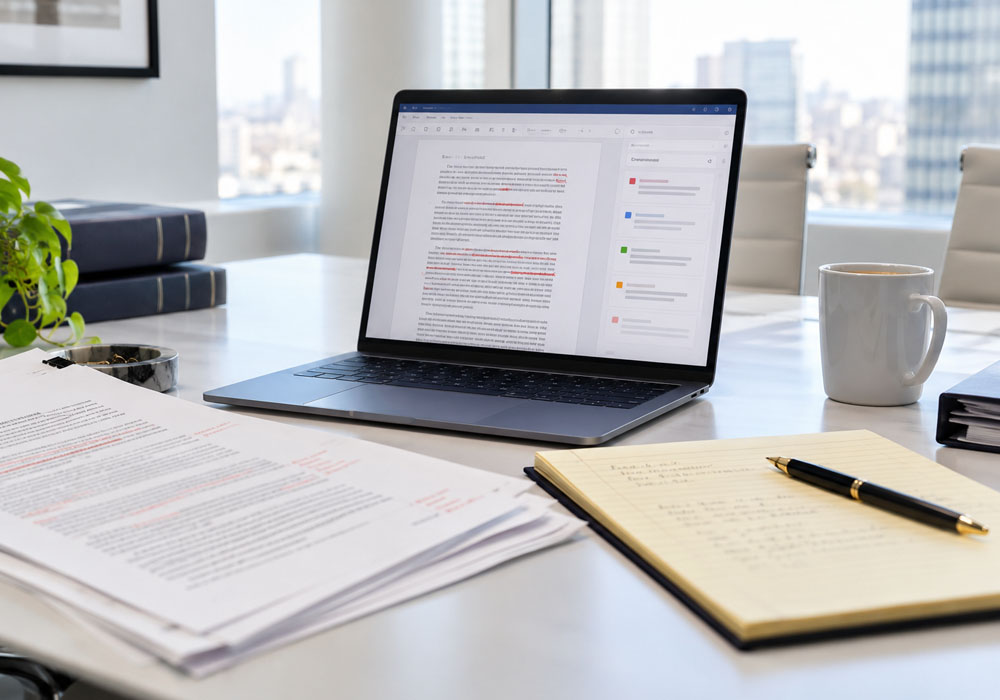
Law firms spend a lot of time on documents that must be accurate, clear, and consistent. Draft work can slow case progress when teams rely on repeated edits and manual formatting. Let’s explore what these tools do, why law firms use them, where they fit in legal work, and how attorneys stay in control of the final document.
Legal teams use these tools to prepare first drafts, clauses, responses, and document sections with less manual effort. Discovery drafting AI helps with litigation documents such as interrogatories, requests for admission, and production responses. It can pull key details from source files and place them into a structured draft. The result still needs attorney review before use.
Why Manual Draft Work Slows Firms Down
Legal documents often follow set formats, but each matter has unique facts. A team may copy old language, edit names, change dates, and add objections. That process can work, but it leaves room for missed details. It also takes time from higher-value case tasks.
When several people work on one file, the style can vary. One associate may use a different language from another. A tool can help keep repeat sections more consistent. That may help improve review speed and reduce avoidable edits.
Common Tasks It Can Support
Draft tools are often used for work that has a clear structure. They are useful when teams need a reliable starting point. For many firms, the value comes from less copy and paste work. It may also help staff handle larger document volumes.
Where Firms May Use It
Common uses include:
- Discovery responses
- Contract clauses
- Pleadings sections
- Internal review notes
- Standard client letters
These tasks still need legal review. The tool can prepare text, but attorneys check accuracy, tone, and legal fit. That review step is important for ethics and quality. No system should make final legal calls on its own.
Why Law Firms Are Paying Attention
Time is one major reason. If a first draft takes less effort, a legal team can move to review sooner. That may help improve response times for clients and courts. It can also reduce pressure on junior staff.
Another reason is consistency. Firms often want common objections, clauses, and formats to match across matters. Discovery drafting AI may help keep that base language steady. Attorneys can still adjust the final text for each case.
AI Features to Check Before Using It
A law firm should look at security first. Legal documents often include confidential facts, client records, and private data. Any tool used for draft support should have clear privacy rules. Firms also need to know how data is stored and used.
The second point is workflow fit. A tool should work with the firm’s document process, not add more steps. It should make reviews easier for attorneys and staff. A simple setup may help adoption across the team.
Draft tools can help law firms reduce repeat document work and prepare cleaner first drafts. They are useful for structured tasks, especially when speed and consistency matter. The attorney’s role remains central because facts, strategy, and legal judgment still need human review. Used with clear controls, these tools may help firms complete document work with less friction.