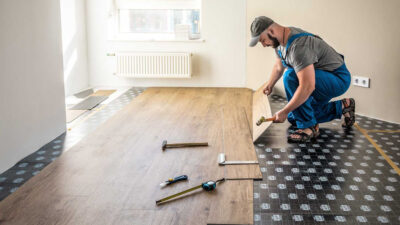
When an individual first acquires a residential property, the initial perception of comfort is heavily dictated by superficial aesthetics. We focus on open floor plans, clean paint lines, modern kitchen layouts, and natural light placement. While these visual design choices are essential for creating an inviting initial atmosphere, they represent a static snapshot of a house.
A home is not an inert physical object; it is a dynamic, breathing mechanical ecosystem that interacts continuously with changing seasonal elements, shifting environmental humidity, and the daily physical routines of its occupants. As a structure ages, its primary building materials settle, sealants break down, and mechanical utility systems lose their initial efficiency. Consequently, a home does not automatically become more comfortable over time. True, long-term residential comfort is a calculated outcome of structural maintenance, intelligent thermal zoning, ongoing mechanical calibration, and proactive environmental management.
1. Stabilizing the Thermal Envelope and Air Filtration Loops
The absolute foundation of lasting domestic comfort is the integrity of the home’s thermal envelope—the physical barrier that separates the conditioned indoor climate from the volatile outdoor atmosphere. In a newly constructed home, airtight seals and fresh insulation work flawlessly to keep interior temperatures stable.
However, over a multi-year timeline, a house undergoes micro-settling. This structural movement introduces tiny gaps around window casings, door frames, and sill plates, allowing unconditioned outside air to leak inside. This draft intrusion forces central HVAC systems to run continuously to maintain a set temperature, creating uncomfortable hot and cold spots throughout different rooms. Maximizing comfort over time requires a disciplined commitment to updating weather-stripping, injecting expanding foam into hidden structural voids, and upgrading attic insulation depths. Furthermore, implementing high-efficiency particulate air (HEPA) filtration media within the climate control loop ensures that dust, pollen, and ambient allergens are continuously extracted from the air column, supporting healthy respiratory function for the family.
2. Managing Acoustic Buffering and Sound Transmission
True spatial comfort extends far beyond simple temperature regulation; it relies heavily on the management of the indoor acoustic environment. A home that permits external traffic noise, high-velocity wind hums, or the internal mechanical vibrations of appliances to echo freely through living zones keeps the human nervous system in a state of low-grade, subconscious alertness.
As properties mature, building materials can become less effective at dampening sound waves. For instance, original single-pane windows or worn exterior door seals easily transfer street noise into private bedrooms. Long-term comfort is achieved by structurally engineering acoustic buffers into the home’s layout. This involves replacing old glass with dense, double- or triple-pane insulated windows, integrating heavy solid-core doors inside the house to partition high-activity areas, and deploying dense, natural textile layers like wool area rugs and thick window draperies to absorb ambient internal echoes, creating a serene sanctuary for deep mental recovery.
3. Securing High-Fidelity Perimeter Transitions and Overhead Infrastructure
The physical comfort of a home relies heavily on the flawless mechanical behavior of its primary entry barriers. The largest moving structural component of any modern residence is the overhead garage door system. Because the garage typically shares internal walls with primary living rooms or sits directly beneath secondary bedrooms, its thermal and mechanical performance dictates the comfort level of a massive portion of the residential footprint.
Over years of continuous daily operation, the complex hardware network that operates an overhead door—including high-tension torsion springs, heavy-gauge steel cables, steel tracks, and nylon rollers—is subjected to intense kinetic stress. If these mechanical components are neglected, the door can shift out of true vertical alignment, causing the perimeter rubber weather-stripping to pull away from the structural frame and creating a massive thermal bridge that allows freezing winter air or blistering summer heat to pour into the home.
Homeowners living in environments characterized by extreme seasonal temperature shifts must prioritize the mechanical health of this transit corridor. When an overhead system begins to exhibit grinding noises, slow operational speeds, or visible gaps along the threshold, relying on casual DIY patches introduces severe safety risks. Securing timely, professional garage door repair in Ogden ensures that track geometries are mathematically calibrated, worn bearings are replaced, and high-tension springs are precisely counterbalanced. Maintaining an airtight, smooth-operating overhead door isolates the garage footprint from the elements, preventing cold drafts from leaching through internal walls and preserving absolute indoor equilibrium.
4. Calibrating Hydronic and Atmospheric Moisture Rhythms
The final variable governing long-term residential comfort is the strict regulation of relative indoor humidity. Human biology is highly sensitive to atmospheric moisture; if a home’s internal air drops below thirty percent humidity during the winter, occupants experience dry skin, irritated sinus passages, and increased susceptibility to airborne viruses. Conversely, if summertime humidity climbs above sixty percent, the air feels heavy and oppressive, and the home becomes a breeding ground for destructive mold spores.
A home becomes significantly more comfortable over time when it features integrated, automated humidity management. This involves installing whole-home bypass humidifiers tied directly into the central furnace system to introduce clean moisture during dry winter cycles, alongside optimizing air conditioner condensate drainage lines to strip excess moisture during peak summer humidity waves. Keeping indoor relative humidity locked between forty and fifty percent maximizes thermal efficiency and protects interior wood finishes, ensuring the home remains an inherently soothing space year-round.
Conclusion
A truly comfortable home is never an accidental feature of initial interior decorating; it is a long-term triumph of structural maintenance and mechanical foresight. By actively reinforcing the home’s thermal envelope, mitigating external acoustic intrusion, securing professional overhead garage door service, and automating relative humidity levels, you insulate your living environment from natural decay. Managing these invisible structural variables ensures your house stops behaving like a volatile shell exposed to the elements and transforms into an incredibly resilient, deeply luxurious sanctuary of absolute physical comfort, mental clarity, and uncompromised peace of mind for decades to come.