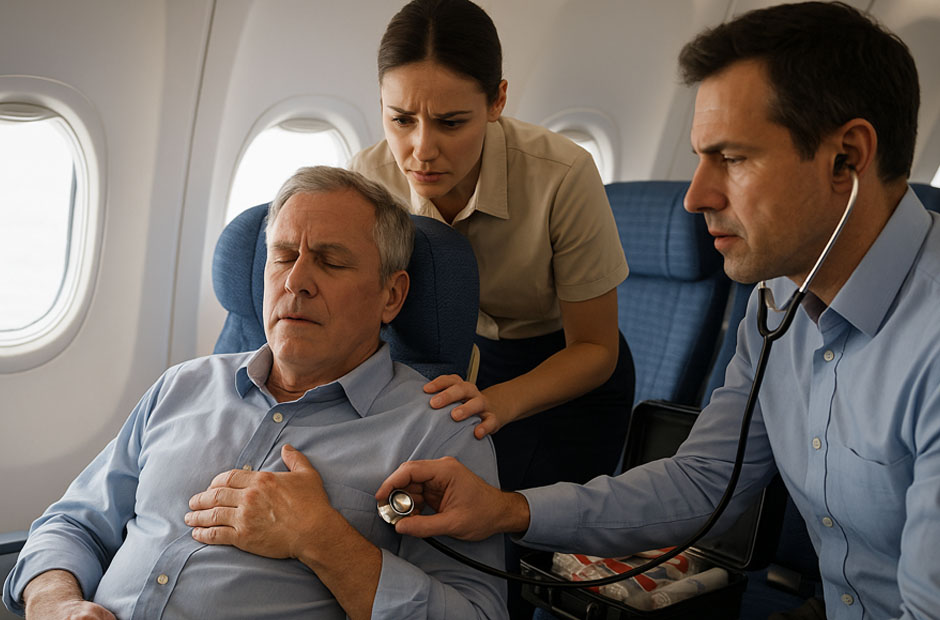
Travel brings opportunities to see new places and broaden your perspective. While most trips end with good memories and photos, unexpected injuries or sickness can happen to anyone. When you are far from home, a health crisis feels much more daunting. The language might be unfamiliar, medical systems may function differently, and your usual support system is likely thousands of miles away.
The most unhelpful reaction to an emergency is panic. When the body enters a state of high stress, the brain often struggles to make logical choices. Preparation is an anchor in these moments. By taking practical steps before you even leave your house, you can turn a chaotic situation into a managed, orderly process.
Laying the Groundwork Before You Depart
Effective safety planning begins long before your feet touch foreign soil. Treat your health preparation with the same importance as your flight bookings or itinerary planning.
Start by researching the medical infrastructure at your destination. If you are heading to a remote region, look for the nearest hospitals and clinics. Write down the local emergency numbers. Remember that the universal numbers you are used to do not exist everywhere. In many European nations, 112 is the standard, while other regions use entirely different codes. Keep this list on your phone and on a physical piece of paper in your wallet.
Assemble a versatile medical kit. While you can often buy basics locally, having essential items on hand saves time during the first few hours of an illness. Include bandages, antiseptic wipes, pain relievers, and any prescription medications you require. Carry these in their original, labeled containers to prevent confusion or questions at border crossings.
Travel insurance is an essential purchase, not an optional extra. Medical care abroad can become very expensive, especially if you require surgery or hospitalization. Ensure your policy includes coverage for medical repatriation. This specific feature covers the cost of moving you to a higher quality facility or bringing you back to your home country if local care is deemed insufficient.
When unexpected health conditions or injuries arise in remote destinations, securing proper transport becomes a top priority for returning home safely. Coordinating medical travel between states can help bridge the distance between isolated regions and specialized healthcare facilities, ensuring patients receive continuous care throughout their journey.
Taking Action During an Emergency
If you find yourself facing an injury or illness while traveling, the first step is to pause and evaluate the situation. Distinguish between a minor issue and a genuine emergency. If you have a minor ailment like a mild stomach upset or a small cut, a local pharmacy can often provide the necessary treatment. Pharmacists in many countries receive extensive training and can offer advice or medication for common ailments that might otherwise require a doctor visit back home.
For serious situations, seek professional care without delay. If you are staying at a hotel, reach out to the front desk staff immediately. They are accustomed to assisting tourists and often know exactly which medical facilities provide the best care for international visitors. They can also assist with the language barrier by calling for an ambulance or providing directions to a nearby clinic.
Navigating the Foreign Healthcare Landscape
Arriving at a medical facility in a foreign country can be disorienting. Systems vary significantly, and you should prepare for differences in administration and expectations.
Payment is often the most immediate hurdle. Many hospitals abroad require payment or a substantial deposit before they will admit a patient, even in a clear emergency. Do not rely solely on your domestic health insurance card. Keep a credit card with a sufficiently high limit available for medical expenses. Save every receipt and request detailed medical reports for every consultation or procedure. You will need this documentation to file a successful claim with your insurance provider later.
If you struggle with the language, ask if a staff member speaks your native language. If not, utilize a translation application on your mobile device to explain your symptoms and ask critical questions. Many insurance companies provide a 24-hour hotline with translation support. Contact them as soon as possible. They can open a case file, speak directly with the local medical team, and help guarantee payment to the hospital.
Logistics for Serious Medical Needs
In extreme situations, local medical facilities might lack the specialized equipment or expertise required for your condition. You may need to transfer to a major city or return to your home country for surgery or ongoing treatment.
This process requires careful logistical coordination to ensure the patient stays safe during the move. It involves more than just booking a seat on a plane, as patients may require monitoring, oxygen, or specialized care. You might need to coordinate with providers that offer long distance medical transportation services to manage the transfer professionally. Allow your insurance company or professional medical coordinators to handle these arrangements, as they have the protocols and networks to ensure the transfer happens securely.
Leveraging Local Support
Your country’s embassy or consulate is a valuable resource, though their capabilities are focused on communication rather than medical intervention. They cannot pay your bills or provide legal advice. However, they can assist in contacting your family members, providing a list of local doctors or attorneys, and helping you transfer funds from home. Keep their contact information saved, but view them as a bridge to your home support network rather than a substitute for medical aid.
A Mindset of Preparedness
The fear of the unknown should not discourage you from traveling. The goal of this planning is not to make you anxious, but to give you control. When you have a plan in place, you can move through a crisis with clarity. Take the time to verify your insurance policy, organize your documents, and pack your medical kit. Once you have those basics covered, you can focus on the reason you started the trip in the first place.