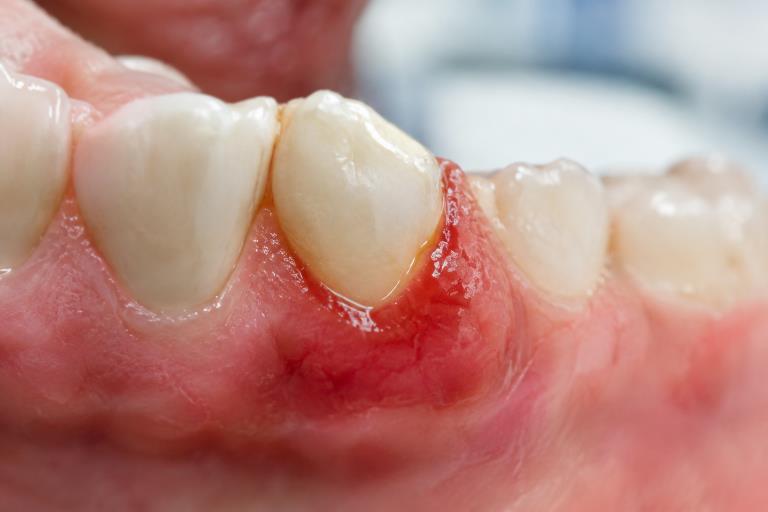
For many people in Scottsdale, Phoenix, and nearby Arizona communities, the question is not simply whether an implant can replace a missing tooth. It is unclear whether gum disease, bone loss, or a history of periodontal treatment needs to be addressed first. A careful plan for dental implants and periodontics starts with the health of the gums and jawbone that will support the restoration.
A past gum disease diagnosis does not automatically rule out dental implants. However, active inflammation or infection can affect the tissues around an implant, so stabilizing oral health is generally an important first step. In a region where busy work schedules, travel, and seasonal routines can make follow-up care difficult, choosing a plan that allows time for treatment and maintenance can support better long-term decision-making.
Why Treatment Sequence Matters
Implant treatment is often staged because an implant relies on healthy surrounding tissue for support. Placing one before active gum disease is controlled can be compared with building on unstable ground. The issue is not just the implant itself. Ongoing bacteria, inflammation, and bone breakdown can compromise the environment around it.
That does not mean every person with periodontitis must give up on tooth replacement. It means the dental team should first determine whether the gums are stable, whether infection has been treated, and whether enough bone is available at the proposed site.
How Gum Disease Affects Implant Planning
Key terms in plain language
- Gingivitis is gum inflammation that may cause redness and bleeding.
- Periodontitis is a more advanced gum disease that can damage the tissues and bone supporting teeth.
- Bone loss occurs when the jawbone around a tooth is reduced over time.
- Peri-implant disease is inflammation or infection affecting the gums and bone around an implant.
Planning should distinguish between active disease, controlled disease, and a history of disease. Active disease may involve bleeding, deep gum pockets, swelling, or ongoing tissue breakdown. Controlled disease means the condition is being managed through professional care and daily cleaning. A history of gum disease still matters because the factors that contributed to it can affect future implant maintenance.
Signs of Disease May Still Be Active
Gum disease may progress with little or no pain, so symptoms alone cannot determine implant readiness. Still, it is wise to arrange an evaluation if you notice:
- Bleeding during brushing or interdental cleaning
- Red, swollen, tender, or receding gums
- Persistent bad breath or an unpleasant taste
- Loose, shifting, or increasingly sensitive teeth
- Pus near the gumline
- A change in how the teeth come together when biting
What Happens During an Implant Readiness Evaluation
A complete evaluation is more useful than a quick visual check. The process may include a medical history, periodontal measurements, dental X-rays, an assessment of nearby teeth, and three-dimensional imaging when appropriate. The goal is to understand the full foundation for treatment.
- Gum health: Bleeding, swelling, recession, pocket depth, and signs of infection.
- Bone support: The height, width, and shape of bone near the planned implant.
- Bite forces: Grinding, clenching, and uneven pressure that could affect a restoration.
- Daily care: Brushing, cleaning between teeth, tobacco use, and attendance at preventive visits.
- Remaining teeth: Whether nearby teeth are healthy and stable enough for the overall plan.
Bone Loss and Site Preparation
Advanced periodontitis can reduce the bone that once held natural teeth in place. Depending on the site, preparation may involve periodontal treatment, removal of teeth that cannot be saved, bone grafting, a sinus-related procedure in the upper jaw, temporary tooth replacement, or a period of healing before implant placement.
Not every patient needs grafting, and the amount of available bone is only one part of the decision. Research is also evolving. In August 2026, researchers described an NIH-supported effort exploring ways to rebuild jawbone damaged by gum disease, but this work remains research rather than a routine clinical option.
Health Factors That Can Change the Plan
Readiness depends on more than oral health. A dental team may consider diabetes management, tobacco use, medications that affect bone or healing, immune conditions, previous healing concerns, and the ability to attend maintenance appointments. Grinding and clenching can also change the design of a restoration or the need for a protective nightguard.
Diabetes deserves particular attention because blood sugar control can influence oral health and healing. A June 2026 report on diabetes and implant health research found higher risks of peri-implant inflammation and implant loss among people with diabetes, with poor blood sugar control identified as an important factor. Individual risk should be discussed with both dental and medical providers.
A Typical Treatment Timeline
There is no universal schedule. Healing time depends on the person, the location in the mouth, and whether preparatory care is needed. A plan commonly follows these stages:
- Assessment of gums, bone, medical history, bite, and goals.
- Stabilization of active gum disease and improvement of home care.
- Healing and any necessary site preparation or grafting.
- Implant placement after the area is considered ready.
- Integration of the implant with bone, followed by the final crown, bridge, or denture.
- Ongoing maintenance visits and daily cleaning.
How to Protect Implants After Treatment
Implants do not develop cavities like natural teeth, but the gums and bone around them can still become inflamed. Long-term care remains essential:
- Brush twice daily with a soft-bristle toothbrush.
- Clean between teeth and around implant restorations every day.
- Use recommended floss, interdental brushes, or water-flossing tools correctly.
- Keep scheduled periodontal or dental maintenance visits.
- Avoid tobacco products and seek support when quitting is difficult.
- Report bleeding, swelling, pain, looseness, or bite changes promptly.
Questions to Ask Before Saying Yes
- Is my gum disease active, controlled, or in remission?
- How much bone is available at the implant site?
- Do any remaining teeth need treatment first?
- Would grafting or another preparation procedure be appropriate?
- What risks are most relevant in my case?
- What temporary tooth options are available during healing?
- Who will handle long-term implant maintenance?
- Which costs are included, and which steps may be separate?
The Main Takeaway
Gum disease does not always close the door on dental implants in Arizona. Active disease does need serious attention before surgery, though. Stable gums, adequate bone, overall health, realistic timing, and committed maintenance all help create a stronger foundation for a treatment decision that is not rushed.