Losing someone you love is never easy. During such an emotional time, families often have to make important decisions quickly. One of those decisions is choosing the type of funeral or cremation service. In recent years, direct cremation has become a popular option because it is simple, affordable, and flexible.
Many people wonder if direct cremation is the right choice for their family. The answer depends on personal preferences, financial circumstances, cultural traditions, and the wishes of the person who passed away. Understanding what direct cremation involves can help you make a decision that feels right for everyone involved.
What Is Direct Cremation?
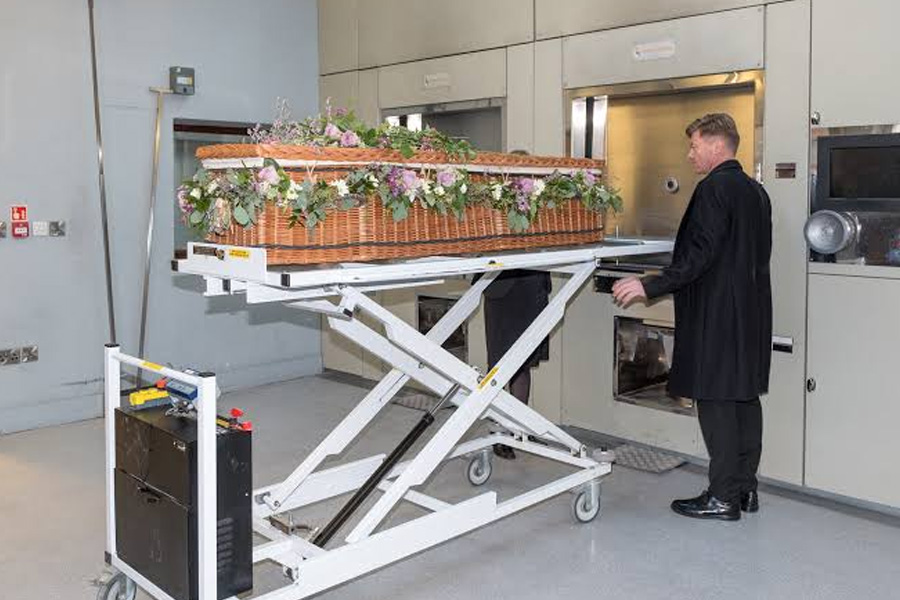
After a person passes away, their body is transported to the crematory or funeral home. The cremation takes place shortly afterward without a traditional funeral service, public viewing, or embalming beforehand.
Once the cremation is complete, the ashes are returned to the family. They can then decide how and when they want to honor their loved one.
Unlike traditional funerals, simple cremations allow families to plan a memorial service at a later date. This gives everyone more time to gather, especially if family members live far away.
Why More Families Choose Direct Cremation
Direct cremation has become increasingly common because it offers a practical solution during a difficult time. Families appreciate having fewer arrangements to make while still honoring their loved one in meaningful ways.
Some of the main reasons people choose direct cremation include:
- Lower overall costs
- Simpler planning process
- Greater scheduling flexibility
- More personalized memorial options
- Less emotional pressure during the first few days after a loss
These benefits allow families to focus on supporting one another instead of managing complicated funeral arrangements.
It Can Be a More Affordable Option
One of the biggest reasons families choose direct cremation is cost.
Traditional funerals often include expenses such as embalming, viewing rooms, caskets, transportation, flowers, and ceremony costs. These services can significantly increase the total price.
Direct cremation removes many of these additional expenses because there is no formal viewing or funeral before the cremation.
For families working within a budget, direct cremation offers a respectful option without unnecessary financial stress.
It Is Ideal for People Who Prefer Simplicity
Some individuals clearly express that they do not want an elaborate funeral.
They may prefer something simple, private, and practical. Choosing direct cremation respects those wishes while allowing family members to remember them in their own way.
Many people feel that celebrating a loved one’s life is more important than following traditional funeral customs.
It Gives Families More Time to Plan
Planning a funeral within a few days can be overwhelming, especially while grieving.
Direct cremation removes the pressure of organizing an immediate service. After receiving the ashes, families can plan a memorial whenever it feels right.
This flexibility can be especially helpful when:
- Relatives need to travel long distances.
- Family members have work or school commitments.
- Weather makes travel difficult.
- Everyone needs extra time to process the loss.
A memorial held weeks or even months later can still be just as meaningful.
It Allows Personalized Memorial Services
A traditional funeral usually follows a fixed schedule and format.
With direct cremation, families can create a memorial that truly reflects their loved one’s personality.
Some families choose to:
- Celebrate life at home.
- Gather at a favorite park or beach.
- Organize a family dinner.
- Plant a tree in their memory.
- Share photos and stories.
- Play their favorite music.
These personal touches often create lasting memories for everyone attending.
It May Match Personal or Religious Beliefs
Not every family follows the same traditions after someone passes away.
Some cultures and religions fully support cremation, while others have their own customs regarding funeral services.
For people who are comfortable with cremation and do not require a traditional ceremony beforehand, direct cremation can be an appropriate choice.
If religious practices are important to your family, it is always helpful to speak with your spiritual leader before making arrangements.
It Can Reduce Emotional Stress
Funeral planning often requires dozens of decisions within a very short time.
Families may need to choose flowers, music, clothing, transportation, programs, and many other details while still coping with grief.
Direct cremation simplifies much of this process.
With fewer immediate decisions to make, families can spend more time comforting one another and remembering the person they lost.
Many people find this simpler approach less emotionally overwhelming.
It Is Helpful for Families Living in Different Locations
Today, families often live in different cities, states, or even countries.
Scheduling a funeral within a few days can make it difficult for everyone to attend.
Direct cremation offers greater flexibility, as the memorial service can be planned later, when more family members are available.
This allows more loved ones to participate in celebrating the person’s life.
It Supports Many Memorial Choices
After receiving the ashes, families have several meaningful options.
Some choose to:
- Keep the ashes in an urn at home.
- Place them in a cemetery.
- Scatter them in a meaningful location where permitted by law.
- Divide the ashes among family members.
- Create memorial jewelry.
- Include the ashes in a memorial garden.
These choices allow every family to honor their loved one in a way that feels personal.
When Direct Cremation May Not Be the Best Choice
Although direct cremation works well for many families, it may not be the right option for everyone.
Some people value the traditions of a formal funeral, viewing, or religious ceremony before cremation. Others may feel that gathering immediately after the loss helps begin the grieving process.
Families should also consider whether their loved one had specific wishes about funeral arrangements.
Choosing a service that reflects those wishes is often one of the best ways to honor their memory.
Questions to Consider Before Choosing Direct Cremation
Before making a decision, ask yourself a few important questions.
- Did my loved one express their preferences?
- Does our family want a traditional funeral?
- Are financial concerns influencing our decision?
- Would a later memorial work better for our family?
- Are there any religious or cultural traditions we should follow?
Answering these questions can make the decision much easier.
Talking with Family Members
When possible, involve close family members in the discussion.
Everyone may have different feelings about how to honor the person who passed away. Open communication helps prevent misunderstandings and ensures everyone feels heard.
Remember that there is no single “right” choice. The best decision is the one that respects your loved one’s wishes while meeting the family’s needs.
Final Thoughts
Direct cremation is an excellent choice for many families because it is simple, affordable, and flexible. It removes many of the pressures that come with planning a traditional funeral while allowing loved ones to create a meaningful memorial on their own schedule.
Whether your priority is reducing costs, honoring a loved one’s request for simplicity, or giving family members more time to gather, direct cremation offers a respectful way to say goodbye.
Every family experiences loss differently. By understanding your options and considering your loved one’s wishes, you can choose the arrangement that brings comfort, peace, and a lasting tribute to a life well lived.