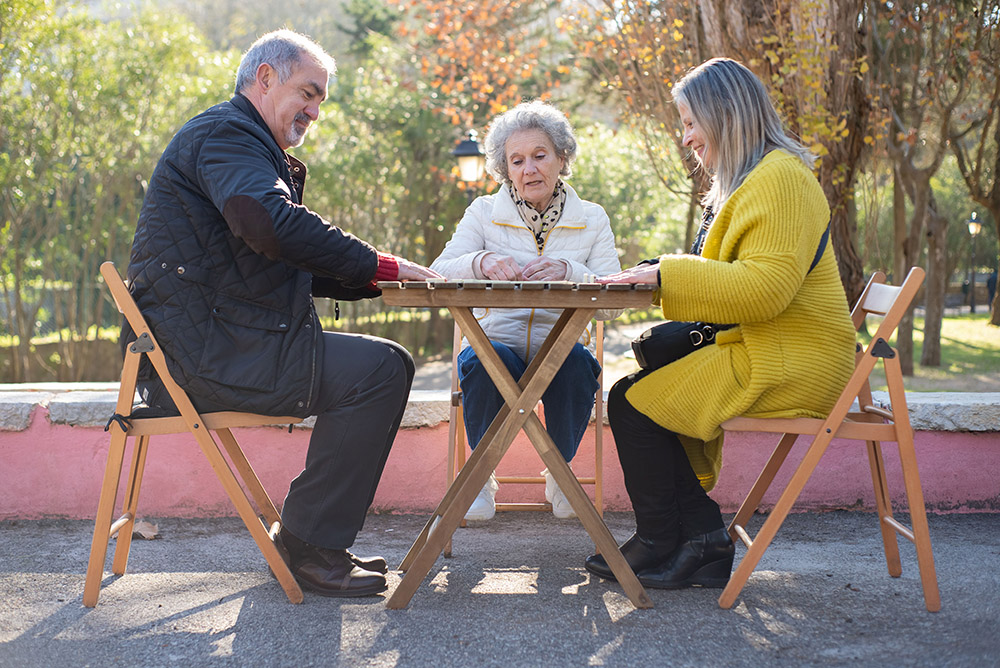
As people grow older, their priorities, routines, and daily interactions often shift in meaningful ways. Retirement, changes in mobility, and life transitions can reduce the frequency of social engagement that once came naturally through work, parenting, and other responsibilities. While independence remains important, the role of meaningful human connection becomes increasingly vital to overall well-being.
A strong sense of community provides emotional support, mental stimulation, and a feeling of belonging that cannot be easily replaced. For older adults, these connections can have a profound impact on quality of life, influencing everything from physical health to cognitive function. Understanding why community becomes more essential with age highlights the value of environments that foster connection and engagement.
Cognitive Benefits of Social Engagement
Staying socially active does more than improve mood, as it also supports brain health. Engaging in conversations, participating in activities, and forming relationships stimulate cognitive processes that help keep the mind sharp. These interactions encourage memory recall, problem-solving, and communication skills, all of which are essential for maintaining cognitive function over time.
Research has shown that individuals who maintain strong social networks are less likely to experience severe cognitive decline. Group activities such as games, discussions, and creative workshops provide opportunities for mental engagement while also strengthening social bonds. These combined benefits make community interaction a powerful tool in promoting long-term brain health.
Programs that incorporate structured engagement, including those found in SHINE® Memory Care in Tampa, often focus on activities specifically designed to support memory and cognitive function. By combining therapeutic approaches with social interaction, these environments create a balanced approach to healthy aging.
Physical Health and Community Support
Community connection also has a noticeable impact on physical health. Older adults who remain socially engaged are more likely to stay active, whether through group exercise classes, walking groups, or recreational activities. These shared experiences not only encourage movement but also make physical activity more enjoyable and sustainable.
In addition to promoting exercise, being part of a community can lead to better health monitoring and support. Friends and caregivers are more likely to notice changes in behavior or physical condition, allowing for early intervention when necessary. This collective awareness contributes to improved safety and overall wellness.
Living in a connected environment can also encourage healthier daily habits. Shared meals, scheduled activities, and consistent routines help individuals maintain structure and balance in their lives. Over time, these habits support both physical strength and long-term health outcomes.
The Role of Purpose and Identity
As people age, maintaining a sense of purpose becomes increasingly important. Community involvement provides opportunities to contribute, whether through volunteering, mentoring, or participating in group initiatives. These activities help individuals feel valued and capable, reinforcing a positive sense of self.
Purpose is closely tied to motivation, and staying engaged with others can inspire individuals to remain active and involved. When older adults feel that they have something meaningful to offer, they are more likely to embrace new experiences and maintain a proactive approach to life. This sense of contribution enhances both mental and emotional resilience.
Communities that emphasize personalized engagement create spaces where individuals can continue to explore their interests and passions. By fostering an environment that values each person’s unique experiences, these communities help residents maintain a strong sense of identity.
Building Meaningful Relationships Later in Life
Contrary to the belief that forming new relationships becomes more difficult with age, many older adults find deep and meaningful connections in later life. Shared experiences, mutual understanding, and similar life stages often create strong bonds that develop quickly and authentically.
These relationships can become an essential support system, providing companionship and encouragement during both everyday moments and more challenging times. Whether through casual conversations or shared activities, these connections enrich daily life in meaningful ways.
In thoughtfully designed care environments, staff members also play a crucial role in fostering relationships. Their support helps create a welcoming atmosphere where connection can flourish naturally. This combination of peer interaction and professional care ensures a well-rounded and supportive community experience.
Conclusion
Community connection becomes increasingly important as we age because it supports emotional well-being, cognitive health, and physical vitality. Through meaningful relationships and shared experiences, older adults can maintain a strong sense of purpose and belonging that enhances their overall quality of life. By prioritizing connection and engagement, individuals and communities alike can create environments where aging is not only supported but genuinely enriched.