Key Takeaways
- Perfume pricing reflects ingredients, formulation, concentration, manufacturing, packaging, distribution, and marketing.
- Natural and synthetic fragrance materials can both be used in quality perfume formulas.
- Higher fragrance concentration does not automatically mean better quality or greater value.
- Bottle design and luxury packaging can significantly contribute to the retail price.
- Ingredient rarity may affect cost, but it does not guarantee a better-smelling fragrance.
- Marketing, branding, retail presentation, and partnerships can also influence the final price.
- Compare fragrances by scent, performance, volume, concentration, and intended use rather than price alone.
- Testing a fragrance on skin and allowing time for the dry-down can help buyers make a more informed choice.
Perfume pricing is about far more than the scent in the bottle. Formula development, materials, concentration, manufacturing, packaging, shipping, retail margins, and promotion can all affect the final price. This is why two fragrances of a similar size can have dramatically different price tags. Most expensive perfume can involve exceptional presentation as well as fragrance. For everyday buyers, though, the useful question is simpler: which parts of a perfume’s price improve the experience, and which parts mainly pay for image or display?
What Sets a Perfume’s Price?
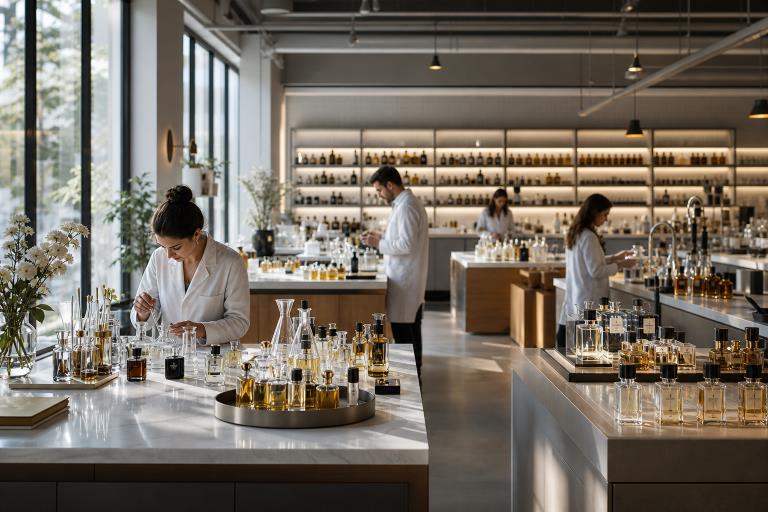
A retail price covers the entire journey from concept to counter. The fragrance liquid is important, but it is only one part of the product. Brands also pay for perfumer time, safety and stability testing, production runs, bottles, caps, cartons, warehousing, distribution, and the costs of selling through stores or online channels.
- Ingredients and the fragrance formula
- Concentration of aromatic materials
- Specialized filling, assembly, and quality checks
- Custom bottle, cap, and box components
- Retail presentation, promotion, and customer service
The Role of Fragrance Ingredients
Perfumes can contain natural extracts, synthetic aroma materials, or both. Some natural materials require cultivation, harvesting, extraction, and careful processing before they can be used in a formula. Others are scarce because their growing regions, seasonal conditions, or supply chains are limited. Synthetic does not automatically mean cheap or inferior. Modern fragrance materials can provide consistency, safety options, and scent effects that may not be practical to obtain from nature alone. The development of modern perfumery was closely tied to the emergence of aroma compounds, which expanded what perfumers could create.
Does a Higher Concentration Mean Better Quality?
Labels such as eau de cologne, eau de toilette, eau de parfum, and parfum generally describe different proportions of fragrance concentrate and diluent. A higher concentration can create more body or a longer-lasting impression, but it is not a universal measure of quality. Terminology and concentration ranges also vary by brand.
- Higher concentration may feel richer or more enveloping.
- Lighter concentrations may suit warm weather or close settings.
- Skin moisture, climate, and application affect performance.
- A balanced formula matters more than concentration alone.
The Work Behind a Finished Scent
Creating a finished fragrance combines creative judgment with technical work. A perfumer evaluates materials, tests proportions, and refines the formula so it develops smoothly over time. The final scent must also remain stable in its intended bottle and perform consistently from one production batch to another. Many perfumes are described in terms of top, heart, and base notes. Top notes create the opening impression, heart notes form the central character, and base notes provide depth as the fragrance settles. That changing structure helps explain why a perfume can smell different after the first few minutes than it does later in the day.
Why Bottle Design Changes the Cost
Packaging can add substantially to a perfume’s price. A simple stock bottle is usually less costly than a custom glass mold, a weighted cap, a decorative collar, or a presentation box with multiple materials. These choices can also increase shipping weight, storage needs, and assembly time. In luxury fragrance, a bottle can be treated as part of the experience rather than a disposable container. A historic perfume bottle with tinkling bells shows how design can engage sight, touch, and sound alongside scent. That artistry may appeal to collectors, but it does not, by itself, prove that the fragrance is better.
Rarity, Supply, and Sourcing
Raw material costs can vary with harvest size, weather, transport, processing capacity, and demand. Rarity may contribute to a fragrance’s price, yet it is not proof of a more beautiful scent. A widely available material used with skill can be more compelling than a rare material used without balance. Responsible buyers can also look for clear brand information on sourcing, environmental commitments, and animal-testing policies. “Natural” is not automatically a synonym for safer, stronger, or more luxurious. What matters is how materials are selected, used, and communicated.
How Marketing Affects the Final Price
Advertising, celebrity partnerships, launch events, store displays, photography, and premium retail placement can all be built into a fragrance’s price. Marketing can help shoppers discover a scent and understand its intended mood, but it does not directly measure formula quality or personal enjoyment.
How to Judge Perfume Value
- Test the fragrance on skin, not only on paper.
- Give the dry-down time before deciding.
- Compare prices by volume and concentration.
- Consider whether a refillable bottle would be useful.
- Read ingredient and allergen information before buying.
- Choose a sample or a smaller bottle when possible.
A moderate-cost eau de toilette may offer excellent value for someone who wants an easy daily scent. A buyer choosing fragrance for celebrations may reasonably value depth, presentation, or collectability more highly. Value depends on how often the perfume will be worn and how much pleasure it provides.
Common Questions About Expensive Perfume
Are Expensive Perfumes Always Better?
No. Price cannot guarantee that a perfume will suit a person’s taste, skin, climate, or routine. A less expensive fragrance can be the better choice if it smells better to the wearer and fits the intended use.
Do Rare Ingredients Make a Perfume Smell Better?
Rare ingredients can add cost and distinctive character, but the quality of the blend matters just as much. The overall composition is more important than any single note on an ingredient list.
Why Do Some Perfumes Last Longer Than Others?
Concentration, materials, skin condition, weather, and application can influence longevity. Individual body chemistry also affects how a fragrance develops and how strongly it is perceived.
Is a Heavy Bottle a Sign of Quality?
A heavy bottle can signal premium packaging, but it is not evidence that the fragrance inside is superior. Judge the scent and its usefulness separately from the bottle.
Final Thoughts
Perfume value is personal and depends on more than the price displayed on the shelf. Ingredients, concentration, craftsmanship, packaging, sourcing, brand reputation, distribution, and marketing can all help explain why one fragrance costs more than another. However, a higher price does not automatically mean a scent will be more enjoyable or suitable for every wearer. Longevity, projection, versatility, and how the fragrance develops on your skin may also influence whether it feels worthwhile. Testing a fragrance before purchasing, when possible, can provide a better sense of how it performs and whether you genuinely enjoy wearing it. Looking beyond the bottle and considering the full experience makes it easier to compare fragrances thoughtfully and find one that feels worth the price at any price point.