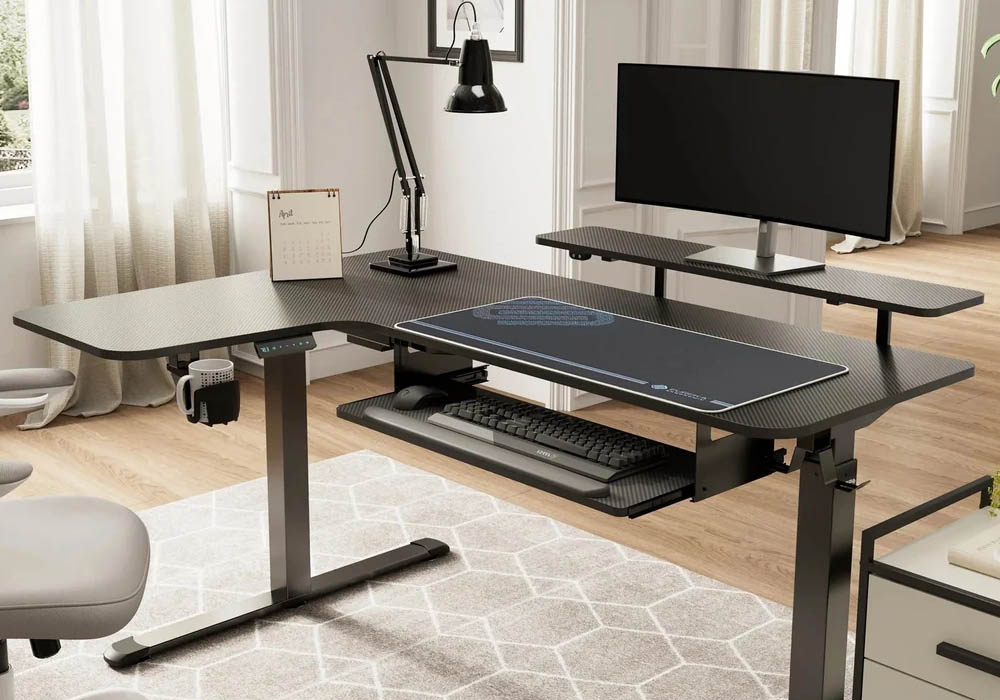
A workplace desk does far more than hold a monitor, files, and office supplies. It shapes posture, affects movement, supports daily routines, and influences how polished the space feels to employees and visitors. A smart purchase should therefore begin with practical requirements rather than surface-level preferences.
Industrial furniture brings strong visual character through metal details, reclaimed textures, substantial frames, and purposeful forms. Still, appearance should work alongside comfort, storage, durability, and thoughtful room planning. The right desk should suit the task, user, and available space without requiring expensive adjustments later. Here are five features that one must check.
1. Study the Frame and Surface Materials
Material quality determines how well industrial desks handle equipment weight, frequent use, and daily workplace pressure. Look for sturdy steel, stainless-steel accents, pipe-style supports, or reinforced metal bases paired with reclaimed or finished wood surfaces. Solid connections, stable legs, and properly sealed tops matter more than decorative distressing. A heavy-duty frame can suit executive offices, reception spaces, studios, or shared work areas. Check the surface for smooth edges, resistance to routine marks, and enough support for monitors, printers, and accessories.
2. Match the Shape to the Floor Plan
Desk shape should reflect movement patterns, equipment needs, and the amount of usable floor space. Straight desks suit focused individual work, while L-shaped and U-shaped formats create separate zones for screens, paperwork, storage, and conversations.
- Measure walls, door swings, walkways, and chair clearance before ordering.
- Confirm the return side on an L-shaped model because left and right layouts may differ.
- Allow enough room for drawers, mobile files, and nearby cabinets to open fully.
- Map power outlets and data ports so cables do not cross walking routes.
3. Check Ergonomic Fit and Height Options
Comfort deserves close attention because a visually impressive desk can still create an awkward workstation. The surface should support relaxed shoulders, comfortable legroom, and practical placement of the keyboard and screen. The Occupational Safety and Health Administration states that the preferred eye-to-monitor viewing distance generally ranges from 20 to 40 inches, so suitable desktop depth deserves careful consideration.
Sit-stand models offer useful height adjustment for shared offices or roles with extended computer work. Industrial desks with adjustable frames should move smoothly, remain stable at full height, and accommodate cable movement without pulling plugs. Fixed-height designs should pair easily with adjustable seating and foot support when required.
4. Review Storage and Cable Management
Storage should support an employee’s workflow rather than consume valuable leg space. A well-planned configuration may include hutches, open shelves, mobile pedestals, file drawers, modesty panels, or accessible cable routes.
- Choose locking drawers for confidential records or personal belongings.
- Check drawer dimensions against letter, legal, or project-file requirements.
- Select movable storage when office layouts may change later.
- Look for grommets, concealed channels, or rear openings that keep cords controlled.
- Confirm that a hutch leaves enough space for monitors and task lighting.
5. Assess Finish and Workplace Identity
Industrial styling can range from rugged pipe frames to sleek stainless steel, curved barrel fronts, pale shells, maple surfaces, and reclaimed wood panels. Select a finish that complements the flooring, walls, lighting, seating, and nearby storage instead of treating the desk as an isolated statement. Reception areas may benefit from a distinctive front panel, while executive offices may need a restrained finish with generous proportions.
A strong desk purchase balances construction, layout, comfort, storage, and visual fit. Careful checks protect the workplace budget while supporting productive daily use. The best choice should feel dependable, practical, and appropriate from the first workday onward.