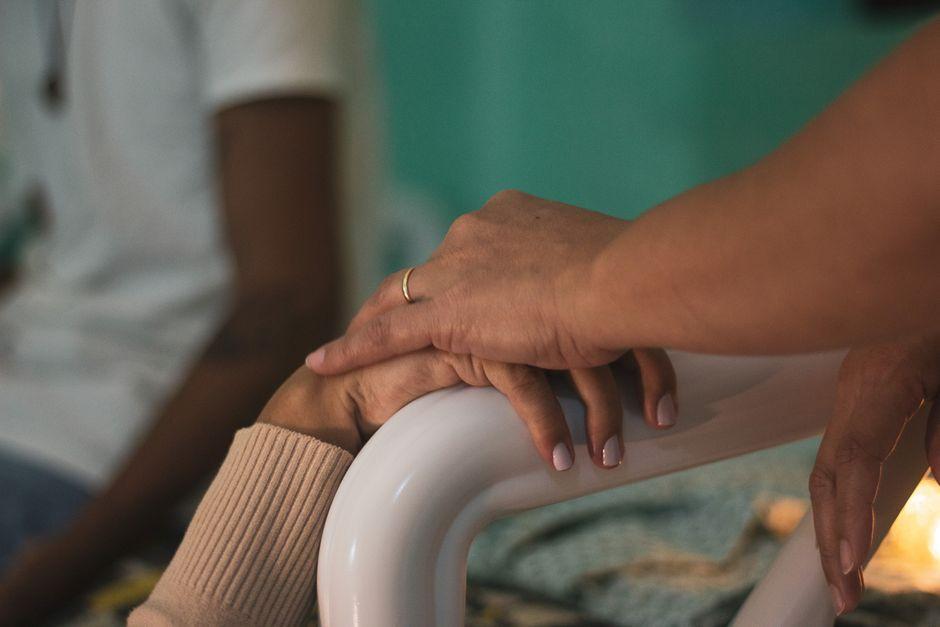
Supporting someone through recovery can feel like trying to carry groceries, answer texts, and keep a balloon from floating away all at once. You want to help, but you also don’t want your whole life to turn into crisis management. The good news is that support does matter, and it doesn’t have to mean doing everything.
In a city like Nashville, where people have access to a range of treatment options—from medical detox and residential care to outpatient programs and specialized services—families are often learning that recovery works best when loved ones have the right support alongside professional care. When you understand what recovery re
Start with steady support
When someone you care about is dealing with addiction, it’s easy to swing between panic and overhelping. You might want instant answers, instant change, and maybe an instant nap too. But recovery usually responds better to calm, consistent support than big emotional speeches.
One practical step is helping your loved one look at real treatment options when they’re ready. If you’re comparing care choices, addiction rehab in Nashville may come up as part of that conversation, especially if location and ongoing support matter.
Your role isn’t to be a drill sergeant or a superhero. It’s to be steady. That can mean checking in, offering a ride, helping with scheduling, or simply speaking without shame. People in recovery often hear enough blame already. A calm voice and a clear plan can do more than a dramatic pep talk.
Learn what recovery needs
Recovery is not just about stopping a substance. It’s also about rebuilding daily life. That includes routines, healthier coping skills, medical care when needed, counseling, and a safer environment. Think of it less like flipping a light switch and more like fixing a house room by room.
Many people do best when they have structure. That could mean regular meals, sleep, therapy appointments, support meetings, and fewer chaotic situations. Boredom can be a real problem too. If every evening feels empty, old habits can sneak back in like raccoons near an open trash can.
It helps to understand that progress may be uneven. A good week doesn’t guarantee a perfect month. That doesn’t mean treatment failed. It usually means recovery is doing what recovery does: moving forward with some stumbles. When you expect a human process instead of a movie makeover, you’ll be better prepared to offer support that actually fits real life.
Set healthy boundaries
Helping someone does not mean removing every consequence or solving every mess. In fact, doing too much can sometimes keep the cycle going. Boundaries are not punishments. They’re limits that protect both of you.
You might decide not to lend money, not to lie for them, or not to answer non-urgent calls at 2 a.m. You may be willing to help with groceries or rides to treatment, but not with covering rent after repeated broken agreements. That line can feel uncomfortable at first, especially if guilt starts yelling in your ear.
Try being clear and simple. Say what you can do and what you can’t do. Avoid long debates when emotions are high. Boundaries work best when they’re calm, consistent, and realistic. If you say you won’t keep rescuing them from avoidable crises, stick to it. Love without limits can turn into exhaustion very fast.
Watch for your own stress
People often focus so hard on the person in recovery that they miss what’s happening to themselves. Stress can build quietly. You may feel tired all the time, snap at people, stop enjoying normal things, or spend whole days waiting for the next bad phone call.
Burnout can look like headaches, poor sleep, brain fog, stomach issues, or crying over tiny things like an empty milk carton. Sometimes it shows up as resentment. You care deeply, but part of you is angry that your life keeps getting hijacked. That feeling is more common than people admit.
Pay attention early. If your body feels tense all the time or your thoughts are stuck in emergency mode, that’s a sign to step back and reset. You do not earn extra points for running on fumes. Supporting recovery is important, but so is staying functional. You can’t pour from an empty coffee mug, and definitely not before morning.
Build a support circle
Trying to manage this alone can make everything heavier. A support circle gives you people to lean on, compare notes with, and vent to before you explode over something silly. This might include trusted relatives, close friends, a therapist, a faith leader, or a support group for families affected by addiction.
Choose people who are steady, not dramatic. You want support, not a gossip committee. It also helps to divide practical tasks. One person might help with transportation. Another may check in during hard weekends. If work has become stressful, you might even ask about flexible scheduling for appointments or family needs.
You also deserve spaces where the focus is on you. Talking to others who understand addiction in families can reduce shame and confusion. It reminds you that you’re not failing. You’re dealing with a hard situation that rarely has neat answers. Shared wisdom can save you time, tears, and a few avoidable mistakes.
Keep hope realistic
Hope matters, but it works best when it’s honest. Recovery is not always a straight climb upward. Some people improve quickly. Others take longer and have setbacks along the way. A setback can be discouraging, but it does not erase every step forward.
Try to notice small wins. Maybe your loved one kept an appointment, stayed honest after a rough day, or stuck to a routine for a full week. Those things count. Big change usually grows out of small, repeated actions.
At the same time, keep your expectations grounded. You can love someone, encourage treatment, and still not control their choices. That truth can sting, but it also brings relief. Your job is to support, not steer every mile of the journey. When you pair compassion with limits, you create something strong enough to last. That kind of support may not look flashy, but in real life, it often helps the most.