Key Takeaways
- Do not enter a fire-damaged home until fire officials or other qualified authorities say it is safe.
- Focus first on medical needs, shelter, communication, and an insurance claim.
- Photograph damage and save receipts before cleaning, repairing, or discarding property.
- Smoke, soot, water, broken glass, and damaged wiring can remain dangerous after the fire is out.
- Small, organized steps can make a difficult recovery feel more manageable.
A house fire can leave you feeling shocked, tired, and unsure where to begin. In the first hours, avoid trying to solve everything at once. Put safety first, contact the right people, and keep simple records of every step. When major cleanup is needed, families may also consider local support for fire damage restoration in Dallas Texas, after checking that the property is safe to access.
The first day matters because damage is not always easy to see, warns RPM Queen City Property Management. Heat can weaken materials, smoke can spread far beyond the burned room, and firefighting water can soak walls and floors.
Why the First Day Matters
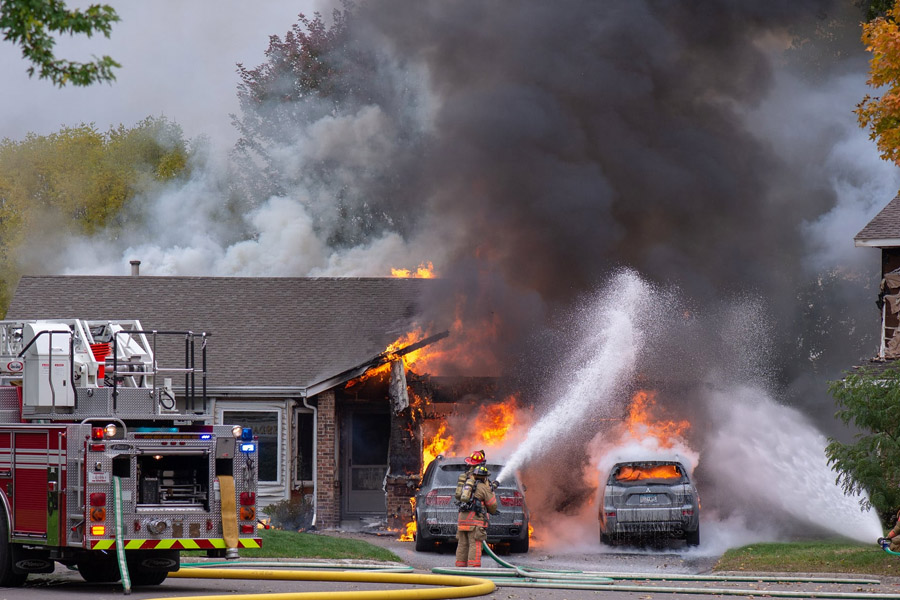
Even a relatively small fire can leave behind hidden hazards that are not immediately visible. Property owners should watch for loose ceilings, cracked walls, standing water, shattered glass, exposed wiring, gas odors, and heavy smoke residue before entering the affected area. The urgency to recover personal belongings should never outweigh personal safety, as unstable conditions can pose serious risks. Prioritizing safety before cleanup, documentation, or repairs is essential, and working with professionals who specialize in fire damage restoration in Dallas Texas can help ensure the property is properly assessed and restored before reentry or recovery efforts begin.
Step One: Wait for an Official All-Clear
Do not re-enter the home until fire officials, inspectors, utility workers, or another qualified professional say it is safe. Respect tape, barriers, and restricted areas. Keep children and pets away from the site, and report new hazards right away. If entry is approved and the power is off, use a flashlight instead of candles or open flames.
Step Two: Make the Important Calls
Once everyone is safe, make a short list of calls to make. Contact 911 if someone needs medical help or a new emergency appears. Tell close family members where you are, call your insurance company for a claim number, and notify your landlord or property manager if you rent. Also, contact utility providers if gas, water, or electricity may be damaged.
Firefighters may put out the flames, but water damage can persist afterward. If wet materials, pooling water, or moisture under flooring is a concern, information about flood damage restoration in Dallas Texas
may help you understand the next cleanup questions t
Step Three: Find a Safe Place to Stay
Do not sleep in the home if officials have concerns about the structure, air quality, utilities, or moisture. Ask your insurer whether temporary living costs may be covered, and save receipts for hotels, meals, clothing, transportation, and emergency supplies. Include medications, pet care, mobility equipment, school needs, and work travel in your plan. The American Red Cross home-fire recovery resources may also help families find immediate support.
Step Four: Document the Damage
When it is safe to enter, document the condition of the home before removing items or starting major cleanup. Take wide shots of the entire room, then close-ups of the floors, appliances, furniture, and valuables. Record short videos to show the full layout. Write down the approximate age, brand, and value of major belongings. Keep copies of emails, reports, estimates, receipts, and claim documents in one folder.
Step Five: Avoid Common Cleanup Mistakes
- Do not turn on damaged appliances, outlets, or electrical systems.
- Do not eat food that has been exposed to heat, smoke, soot, or firefighting water.
- Do not throw away damaged belongings before photographing them and checking claim instructions.
- Do not use random household cleaners on heavily sooted surfaces without first checking whether they are safe for the surface.
- Do not remove drywall, flooring, or structural materials without proper approval.
- Never mix cleaning products, especially bleach with ammonia-based cleaners.
Smoke, Soot, and Water Need Different Care
Fire recovery involves more than burned materials. Smoke can leave odors in cabinets, fabrics, insulation, and other porous materials. Soot can stain surfaces and spread when wiped incorrectly. Water can become trapped behind walls, under flooring, or in upholstery, leading to mold and further damage. Wear protective clothing during approved cleanup, and seek qualified help when there is widespread residue, strong odor, standing water, or electrical damage.
How to Sort Personal Belongings
- Keep:Items that appear clean, dry, and safe to use.
- Clean:Items that may be restored with the right method.
- Review:Items with sentimental, financial, or legal value.
- Discard:Items that are unsafe, contaminated, or beyond repair.
Photograph everything before disposal. Ask the insurance company whether an adjuster needs to inspect certain items before the claim is processed. Special care is important for documents, medicines, food, electronics, and family keepsakes.
What to Ask During the Insurance Claim
- Which emergency expenses may be covered?
- Should damaged items remain in place for inspection?
- What temporary repairs are needed to prevent more loss?
- What inventory, receipts, estimates, and deadlines are required?
- Who will inspect the structure and personal property?
When to Bring in Qualified Help
Professional help may be needed for structural damage, heavy soot, smoke odor, wet building materials, contaminated contents, or utility concerns. Before agreeing to work, check licenses, insurance, references, and written estimates. Ask who will perform the work and request a clear scope that lists cleaning, drying, removal, repairs, and rebuilding. Avoid signing vague agreements under pressure.
Emotional Recovery Is Part of the Process
A fire can affect sleep, focus, routines, and a family’s sense of safety. Keep regular meals, medication schedules, school routines, and contact with trusted people when possible. Children and pets may react differently from adults. If stress becomes hard to manage, speaking with a counselor or health professional can be an important part of recovery.
A Simple 30-Day Recovery Checklist
- Confirm the property is safe to enter.
- Set up temporary housing and protect medications and essential documents.
- Open an insurance claim and organize records.
- Complete a room-by-room photo inventory.
- Secure damaged doors, windows, and roof areas.
- Address smoke, soot, moisture, and odor concerns.
- Review repair estimates before approving major work.
- Update the household emergency plan before returning home.
Common Questions
Can a Home Be Occupied After a Small Fire?
Possibly, but the size of the fire does not decide safety. Smoke, water, electrical damage, air quality, and structural concerns can still make a home unsafe. Follow the direction of local officials and qualified professionals.
How Long Does Recovery Take?
Recovery timelines vary widely. A small incident may require cleaning and minor repairs, while a larger loss may involve inspections, permits, material procurement, structural work, and rebuilding.
Conclusion
After a house fire, a clear order of steps can restore some control. Put safety first, communicate with the right people, document the damage, protect temporary needs, and make careful decisions about cleanup and repairs. Organized records and qualified guidance can help you move from confusion toward a safer recovery. The U.S. Fire Administration’s post-fire guidance is a useful starting point for understanding immediate needs, insurance records, and recovery tasks.