Sending money through Western Union for the first time can feel more complicated than it actually is. Between recipient details, ID requirements, and questions about how quickly funds will arrive, there’s a lot to keep track of. Knowing what to expect ahead of time makes the whole process far less stressful, and it usually only takes one transfer to feel completely comfortable with it.
Bring Valid Identification
Most in-person transfers require a government-issued ID, especially for larger amounts. Having that ready before arriving at the counter saves time and avoids an unnecessary second trip back home to grab a forgotten document.
Know the Recipient’s Full Details
Full legal name, exact spelling, and destination country are essential. Even small discrepancies between the sender’s information and the recipient’s ID can delay a payout, so it’s worth double-checking these details in advance rather than relying on memory.
Understand the Delivery Timeline
Transfer speed varies depending on the destination and the payout method chosen. Asking about expected arrival time before completing the transaction avoids confusion later, especially if the recipient is counting on the funds by a specific date.
Ask About Payout Options
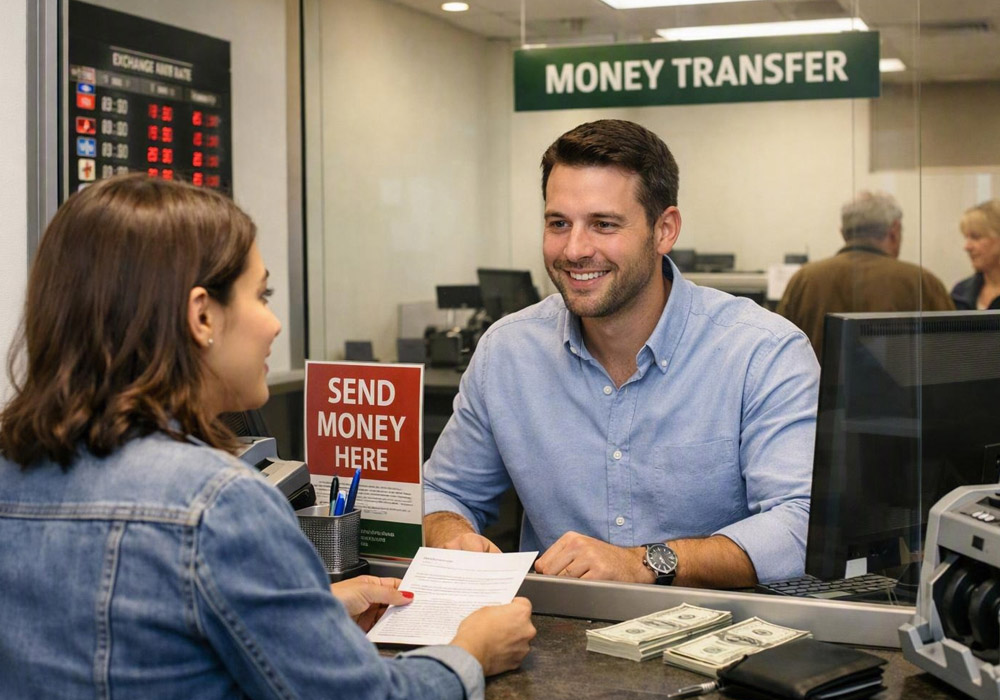
Recipients can often choose between cash pickup and direct bank deposit, and the right choice depends on what’s most convenient for them. First-time senders who choose to send money at ACME with Western Union will typically have staff available to explain these options clearly and help pick the right fit.
Compare Fees Before Committing
Fees can vary based on amount, destination, and speed. It’s reasonable to ask about total cost, including any exchange rate margin, before finalizing a transfer so there are no surprises at checkout.
Keep the Receipt
The transaction receipt typically includes a tracking number the recipient may need to collect their funds, along with a record that’s useful if any questions come up later about the transfer’s status.
Don’t Hesitate to Ask Questions
In-person staff are there to help, and asking about anything unclear, from fees to required documents, is a normal part of the process rather than an inconvenience to anyone working the counter.
What to Expect the Second Time Around
Most first-time senders are surprised by how quickly the process feels routine after just one visit. The second transfer usually takes a fraction of the time, since the recipient’s details are often saved and the sender already knows what documentation to bring. That learning curve is worth keeping in mind for anyone who feels hesitant about the first transaction; it tends to be the most involved one, and every visit after that gets progressively simpler.
Going in prepared makes a first transfer far smoother. Once the process is familiar, it typically takes just a few minutes, making it easy to build into a regular routine for anyone who sends money on an ongoing basis to support family or friends.
A little preparation goes a long way toward making that first experience a good one, and a good first experience is usually what determines whether someone sticks with in-person transfers going forward or looks for a different approach entirely.
It also helps to think of the first visit as a chance to ask every question that comes to mind, even ones that might feel basic. Counter staff who process these transactions regularly have almost certainly heard the same questions before, and getting clear answers up front sets a much stronger foundation for every transfer that follows, especially for anyone planning to send money on a recurring basis going forward.
Over time, that early investment in understanding the process tends to pay off in fewer delays, fewer surprises at the counter, and a lot more confidence each time a new transfer needs to go out.