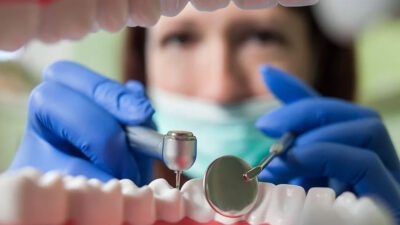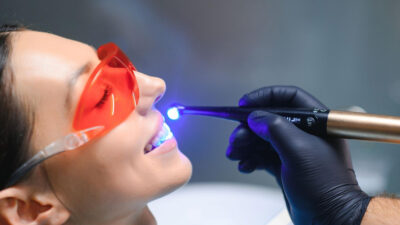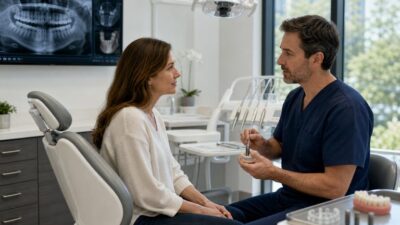
A routine dental visit offers a useful chance to learn about tooth and gum health beyond the results of an exam. Clear questions can reveal early concerns, explain preventive needs, and clarify which habits deserve attention at home. A productive conversation also helps patients understand the reasons behind each recommendation.
Patients who see a dentist Newton can use each routine appointment to ask focused questions about current oral health and future care needs. Newton residents may also benefit from discussing concerns that have appeared since the previous exam, even when no pain is present. The questions below can help make routine dental visits more informative and useful.
Ask About Changes in Tooth and Gum Health
A dental exam can reveal subtle changes that may be difficult to notice at home. Ask if there are signs of cavities, gum inflammation, enamel wear, tooth cracks, or changes around previous dental work. This question provides a clear picture of current oral health and areas that may require closer attention.
It can also help to ask if any specific teeth need observation before the next appointment. Small areas of concern may call for added home care, follow-up assessment, or treatment based on clinical findings. Patients in Newton can use this information to make informed decisions about future dental care.
Clarify the Right Home Care Routine
Daily oral care should reflect the condition of the teeth, gums, restorations, and other individual factors. A routine visit provides an opportunity to confirm if current brushing, floss use, toothpaste, and other hygiene products suit those needs. Specific advice can help address areas where plaque or food debris tends to collect.
Useful questions include:
- Which areas need extra attention during daily care?
- Is the current toothbrush suitable for the teeth and gums?
- Would fluoride provide added protection against decay?
- Is traditional floss appropriate for spaces between the teeth?
- Are there signs that current oral hygiene habits need adjustment?
Discuss the Need for Dental X-Rays
Dental X-rays can reveal concerns that may remain hidden during a visual exam, such as decay between teeth, root problems, bone loss, abscesses, or changes below the gumline. Ask why an X-ray is recommended and which part of the mouth it will assess. The answer can provide useful context about how the image supports a diagnosis or care plan.
X-ray frequency does not need to be treated as a question with one fixed answer for every patient. Dental history, current symptoms, cavity risk, age, and previous images can influence the recommendation. A clear discussion helps patients understand why new images may form part of a routine assessment.
Ask What Symptoms Deserve Prompt Attention
Some oral changes deserve an assessment before the next scheduled checkup. Ask which symptoms should prompt an earlier dental visit and what details may help the dental team assess the concern. This information can make it easier to respond appropriately if a new issue appears.
Symptoms worth discussing may include:
- Persistent tooth sensitivity or discomfort
- Gum tenderness, swelling, or recurrent bleeding
- A chipped, cracked, or loose tooth
- Changes around a filling, crown, or other restoration
- Jaw discomfort or changes in the bite
Review Preventive and Restorative Care Options
Routine care can include dental exams, cleanings, digital imaging, fluoride, and other preventive measures based on individual needs. A dentist in Newton also provides fillings, crowns, root canal care, dental implants, gum grafts, oral surgery, cosmetic services, pediatric dentistry, emergency care, and oral sedation options. Asking which services apply to a specific concern can clarify the next appropriate step without assuming that treatment is necessary.
Good questions can turn a standard dental appointment into a practical review of current and future oral health needs. Patients in Newton can use these conversations to understand clinical findings, preventive priorities, and appropriate follow-up care. Clear information also supports informed choices about daily habits and recommended treatment.