A new fence can improve privacy, create a safer yard for children or pets, define boundaries, and make the outdoor space feel more finished. The best choice is not simply the material that looks good online. It is the one that fits your property, local conditions, budget, and daily needs. Homeowners comparing designs with an Austin iron fence company should begin by identifying exactly what the fence needs to accomplish.
Think beyond the main fence line, too. Gates, slopes, drainage, landscaping, maintenance, and neighborhood requirements can all affect the finished result. A thoughtful plan before ordering materials can prevent expensive changes once installation begins.
Start With the Purpose of the Fence
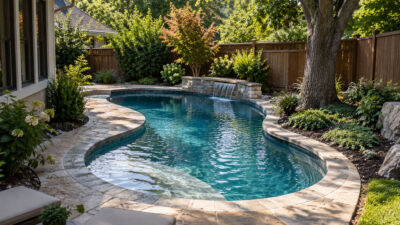
Most fence projects have more than one goal. You may want privacy from a nearby street while also keeping a dog safely in the yard. Or, you may need a pool barrier that still preserves an open view. Write down your top two priorities before choosing a height, style, or material.
Common goals include privacy, pet containment, child safety, pool safety, security, clearer property boundaries, wind screening, and curb appeal. A solid six-foot privacy fence serves a very different purpose than an open ornamental fence around a front garden.
If your project includes a statement entry, searches for iron gate Austin can help you consider how gate placement, access, and visual style fit the overall fencing plan. The gate should be easy to use, wide enough for its purpose, and supported by hardware that matches its weight.
Compare Common Fence Materials
Every material offers trade-offs in appearance, privacy, cost, durability, and maintenance. Compare options based on how the fence will perform over time, not only on its initial price.
Wood
Wood offers a warm, traditional appearance and works well for solid privacy designs, board-on-board layouts, and custom details. It can be painted or stained, but it needs regular inspection and protection against moisture, rot, insects, cracking, and warped boards.
Vinyl
Vinyl provides a clean, consistent finish and strong privacy with relatively little routine upkeep. It does not require staining, although it should be washed occasionally. Its upfront cost can be higher than basic wood, and repairs may require matching replacement components.
Aluminum and Ornamental Metal
Aluminum and ornamental metal suit front yards, gardens, and many pool areas because they define space without blocking views. They are generally low maintenance, but open designs offer little privacy unless paired with shrubs, masonry, or a separate screen.
Chain Link and Composite
Chain link is practical for large yards, pets, and basic security. It allows airflow and visibility, and privacy slats can add screening. Composite fencing can mimic the appearance of wood while resisting moisture and pests, but it often comes with a higher initial cost and fewer refinishing options.
Match the Material to the Climate
Weather and site conditions strongly influence fence performance. Consider intense sun, rain, humidity, freezing temperatures, high winds, soil movement, and poor drainage. Wood may be a good fit for an owner willing to stain and seal it regularly, while vinyl or metal may better suit someone seeking fewer seasonal chores.
Also, inspect the ground along the proposed fence line. Low spots that collect water, exposed roots, rocky soil, and unstable slopes can affect post depth, drainage, and labor requirements. A durable fence needs a stable foundation as much as a durable surface.
Build a Realistic Fence Budget
Fence length and material are only part of the cost. A useful budget includes labor, posts, rails, gates, hardware, removal of an old fence, site preparation, permits, and future maintenance. Difficult access, uneven terrain, roots, and rock can increase installation time.
A simple planning formula is: Estimated Project Cost = materials + gates + labor + site work + permits + future care. Ask for written estimates that explain what is included, especially demolition, hauling, post setting, gate hardware, cleanup, and warranty terms.
Check Property Lines, Permits, and HOA Rules
Confirm property lines before ordering materials or removing an old fence. An existing fence is not always located on the true boundary. Review your survey, consult reliable property records, and discuss shared-boundary plans with neighbors when appropriate.
Local codes and HOA rules may limit height, placement, materials, visibility near streets, and pool-barrier details. In Austin, the city’s fencing regulations address permit triggers, height limits, floodplain projects, and safety requirements. Call for utility locating before any digging, even for a small fence run.
Choose a Style That Fits the Home
A fence should feel connected to the house and landscape. Compare vertical and horizontal boards, open and solid panels, post caps, gate hardware, and color. An open metal design can complement a front yard and preserve sightlines, while a solid rear-yard fence can create a more private patio or play area.
Be careful with height and visual weight. A very tall, solid fence can make a small yard feel enclosed. Consider whether you need to preserve views, daylight, airflow, or visibility at a driveway and corner lot.
Plan for Proper Installation
Installation quality often determines how long a fence lasts. Posts must be set at the right depth for the soil and climate, spaced consistently, and supported by proper drainage. Heavy or wide gates need reinforced posts and dependable hinges so they do not sag over time.
A short, straight fence on level ground may be manageable for an experienced DIY homeowner. Sloped lots, complicated property lines, large gates, pool barriers, and permit-related work usually deserve professional planning and installation.
Estimate Long-Term Maintenance
Include maintenance in your decision. Wood needs cleaning, sealing or staining, and occasional board replacement. Vinyl generally needs washing and inspections of rails and connectors. Metal benefits from checking fasteners, finishes, and areas where coating damage could lead to corrosion. Chain link needs periodic attention to fabric tension, rust, and gate alignment.
Avoid Common Fence Planning Mistakes
- Choosing a material before defining the fence’s purpose.
- Measuring from an old fence without confirming the boundary.
- Ignoring HOA rules, permits, utility lines, or drainage.
- Forgetting gate swing clearance and access needs.
- Using undersized hardware for a heavy gate.
- Ordering panels before checking the slope and layout.
- Comparing quotes without reviewing included work and future care.
Use a Simple Fence Planning Checklist
- Define the two most important reasons for the fence.
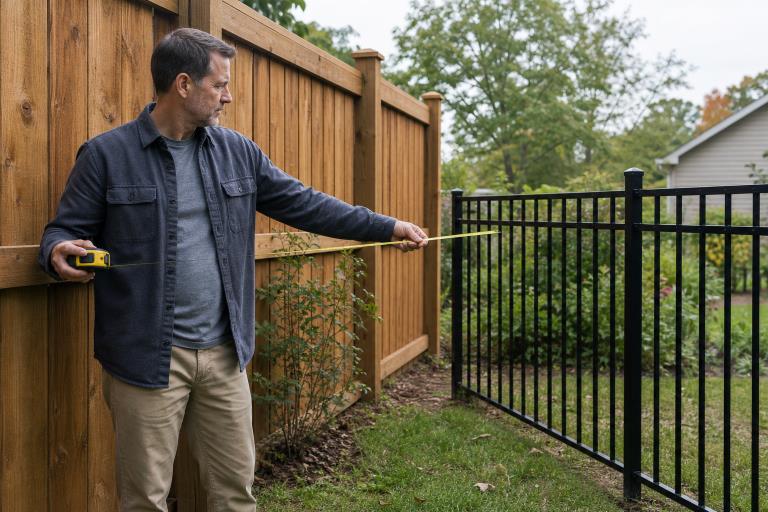
- Measure the planned fence line and identify slopes.
- Confirm property boundaries and local requirements.
- Mark utilities, drainage paths, trees, and access points.
- Compare at least three suitable materials.
- Plan each gate location, width, swing, and hardware needed.
- Request detailed written estimates and review warranty terms.
Final Thoughts
The right fence balances function, appearance, cost, climate, and care. Starting with the job the fence must do makes every later choice clearer, from material and height to gate design and installation method. With careful planning, your fence can provide security, privacy, and lasting value for years.