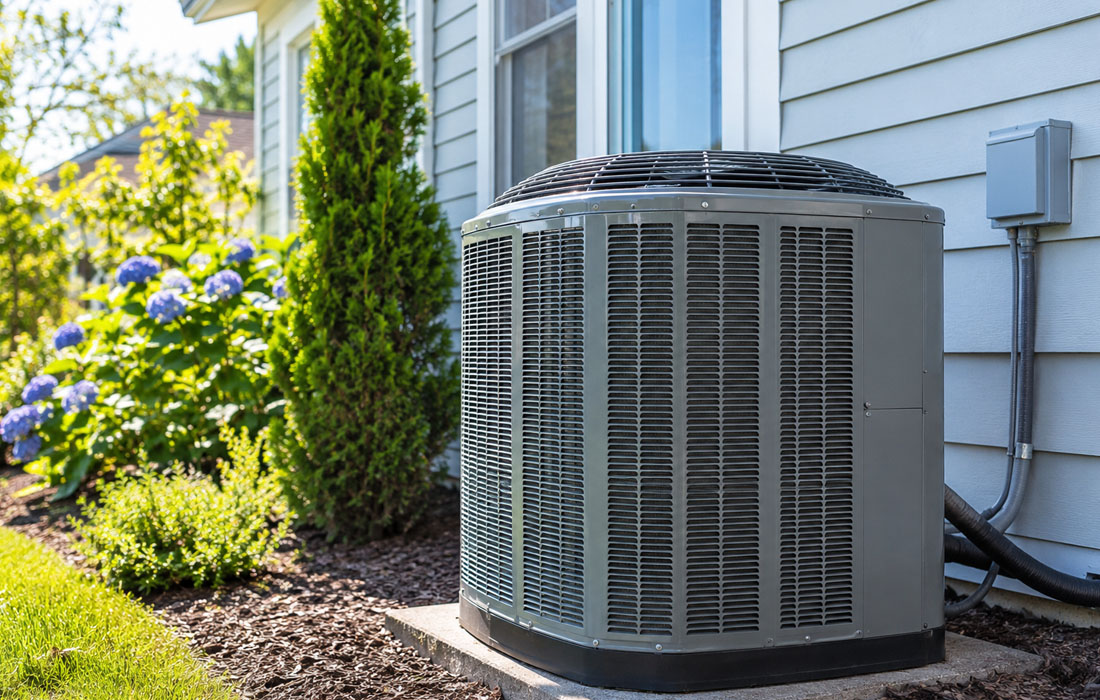
Portland’s damp winters, cool springs, and surprise summer heat waves put heating and cooling systems through varied demands. A heat pump might hum along in March drizzle, then your air conditioner strains during a week of 90-degree afternoons. When the system hesitates, it is not always obvious whether you need a quick filter change or professional diagnostics. This guide walks through early warning signs, practical checks you can do safely, what a technician typically evaluates on-site, how local seasonality affects timing, and how to weigh a repair versus a planned replacement. Used together, these steps help you protect compressors, blower motors, and ductwork before minor issues escalate into a no-heat or no-cool call on the hottest or coldest day of the year.
Early HVAC Symptoms Portland Homes Shouldn’t Ignore
Several performance changes suggest a developing problem. Short cycling (frequent starts and stops), rooms that never quite reach setpoint, a heat pump caked in ice, or an air conditioner blowing warm air point to airflow or refrigerant-side issues. Breaker trips, a musty odor near the air handler, water around the furnace from a clogged condensate drain, or a sharp electrical smell deserve urgent attention. In summer, a clammy feel indoors often means inadequate dehumidification from low airflow, a dirty evaporator coil, or an oversized system. Any combination of these symptoms is a sound reason to call an HVAC contractor in Portland before a compressor overheats or a heat exchanger shuts down on a safety limit.
Two common mistakes make matters worse: running the system with a heavily clogged filter and repeatedly resetting a tripped breaker. A starved return filter raises static pressure, which can cause coil icing, furnace limit trips, and blower motor strain. A breaker that trips again after a reset may indicate a failing condenser fan motor or shorted wiring; continuing to force operation can damage the compressor. If you smell gas, see smoke from the equipment (not the heat pump’s normal defrost steam), or hear loud grinding, cut power at the disconnect or switch and arrange service.
Quick Homeowner Checks Before You Pick Up the Phone
Start at the thermostat. Confirm it is in the correct mode (Heat, Cool, or Auto), the temperature is set lower than room temperature for cooling and higher for heating, and fresh batteries are installed if it is a battery-powered model. Set the fan to Auto, not On, to prevent continuous blower operation during a cooling fault. Next, inspect the return filter; replace it if it is visibly loaded with dust. A mid-range MERV filter typically balances particle capture with airflow in older ductwork; jumping to a very high MERV can raise static pressure if the system is not sized for it. Indoors, open supply registers and clear furniture from returns to restore circulation.
Outdoors, verify that there is about two feet of clearance around the heat pump or condenser and brush off leaves from the top grille. If safe, gently hose dirt from the coil fins from the inside out. Check the electrical panel for a tripped HVAC breaker and the furnace switch near the air handler. Look at the condensate line or pump for clogs if you see water near the unit. On chilly, wet mornings, a heat pump may produce a cloud of steam during a normal defrost cycle; that is expected. However, a unit encased in solid ice or frosting rapidly minutes after restarting usually signals restricted airflow or a refrigerant issue and warrants a service visit.
What Happens During a Professional Diagnostic Visit
A trained technician follows a sequence to pinpoint faults rather than swapping parts by guesswork. They may measure the temperature split across the evaporator coil (supply versus return), then connect gauges or digital probes to check refrigerant superheat and subcooling to assess charge and metering device performance. Static pressure readings with a manometer reveal duct restrictions or a failing blower. If you have a gas furnace, expect combustion checks, flue draft inspection, and a look at flame sensor condition. On heat pumps, the tech will test the defrost board, verify reversing valve operation, and confirm outdoor fan speed and capacitor health. They also inspect the condensate drain, safeties, and wiring connections for heat-related degradation.
Preparation helps the visit go smoothly. Clear a path to the air handler, furnace, and electrical panel, and unlock any access to an attic or crawlspace. Note the model and age of your equipment if available, recent filter changes, and patterns such as the time of day when problems occur. Have any error codes from the thermostat or furnace control board handy. After diagnosing, your contractor may recommend a targeted repair, coil cleaning, duct sealing, or, if underlying issues such as severe duct leakage are found, a separate test, such as a duct leakage test. That additional testing is not always required, but it can explain persistent comfort problems that simple part replacements do not solve.
Seasonal Realities in Portland: Timing Your Service Matters
Portland’s first hot stretch often exposes weak capacitors, dirty condensers, and marginal refrigerant charge after months of light use. Appointment calendars fill quickly during those spikes. If your air conditioner already struggles on an 85-degree day, waiting until a 95-degree week increases the odds of a breakdown at 6 p.m. when demand is highest. Spring tune-ups let a technician wash coils, confirm airflow, and catch a failing contactor before peak load. Late summer and early fall are also prime times to change filters, as wildfire smoke and pollen saturate the air faster than usual.
In winter, heat pumps operate near their balance point on rainy days with temperatures around 30–40 degrees, and auxiliary heat strips may cycle more often. Icing that persists between defrost cycles or frost that forms quickly across the outdoor coil usually indicates poor airflow or low charge, not “normal Portland weather.” Likewise, a furnace that repeatedly hits a high-limit shutdown during long runtimes might be battling blocked returns or a sluggish blower motor. Scheduling service before the first cold snap reduces the chance of shivering through a night waiting for the next open slot.
Repair Now or Replace Soon? Weighing the Trade-Offs
Some fixes are clear-cut: a failed capacitor, a clogged condensate trap, or a burnt contactor are straightforward repairs. The bigger decision comes when compressors, heat exchangers, or blower motors fail on older equipment. Age, refrigerant type, and duct condition all influence value. For example, repairing a very old air conditioner that uses R-22—now phased out—can be impractical due to limited availability of the refrigerant. Replacing a repeatedly failing blower on a system with leaky, undersized ductwork may not solve comfort issues until airflow is corrected. Considering efficiency ratings matters too: a modern heat pump with a higher SEER2 rating and variable-speed capability can improve humidity control during muggy summer stretches while reducing runtime noise.
Timing also has a cost dimension. A stopgap repair in July might keep you cool through Labor Day, while planning a full system replacement during the shoulder season offers more scheduling flexibility and allows for thorough duct adjustments. Whatever you choose, protect the investment with simple aftercare: change filters regularly based on dust load (often every one to three months), keep 18–24 inches of clearance around the outdoor unit, flush or treat the condensate line to deter algae, and verify thermostat programming so setbacks do not force excessive recovery on extreme days. Keep notes on what was serviced and when; patterns in tripped breakers, icing, or hot rooms help a contractor zero in on root causes faster.
The best time to avoid a no-heat or no-cool emergency is before the weather turns. Recognizing early symptoms, performing safe homeowner checks, and understanding what technicians assess can help protect critical components such as the compressor, evaporator coil, and heat exchanger. Portland’s climate adds timing pressure, so plan ahead when you can. When safety issues arise or performance problems persist, a licensed local contractor can test airflow, verify charge, and resolve faults without risking further damage, so your home stays comfortable through rain, heat waves, and everything in between.